
Last updated November 25, 2026
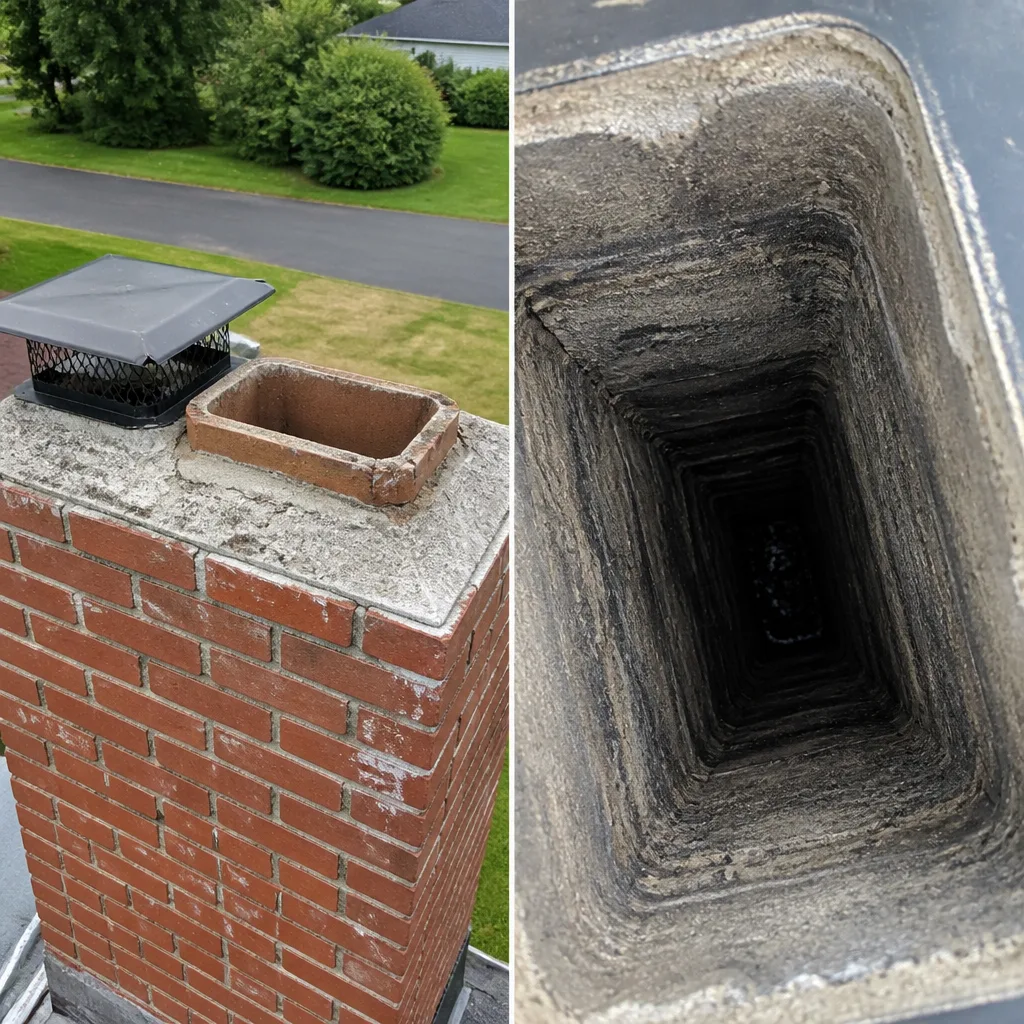 Sweep & inspection
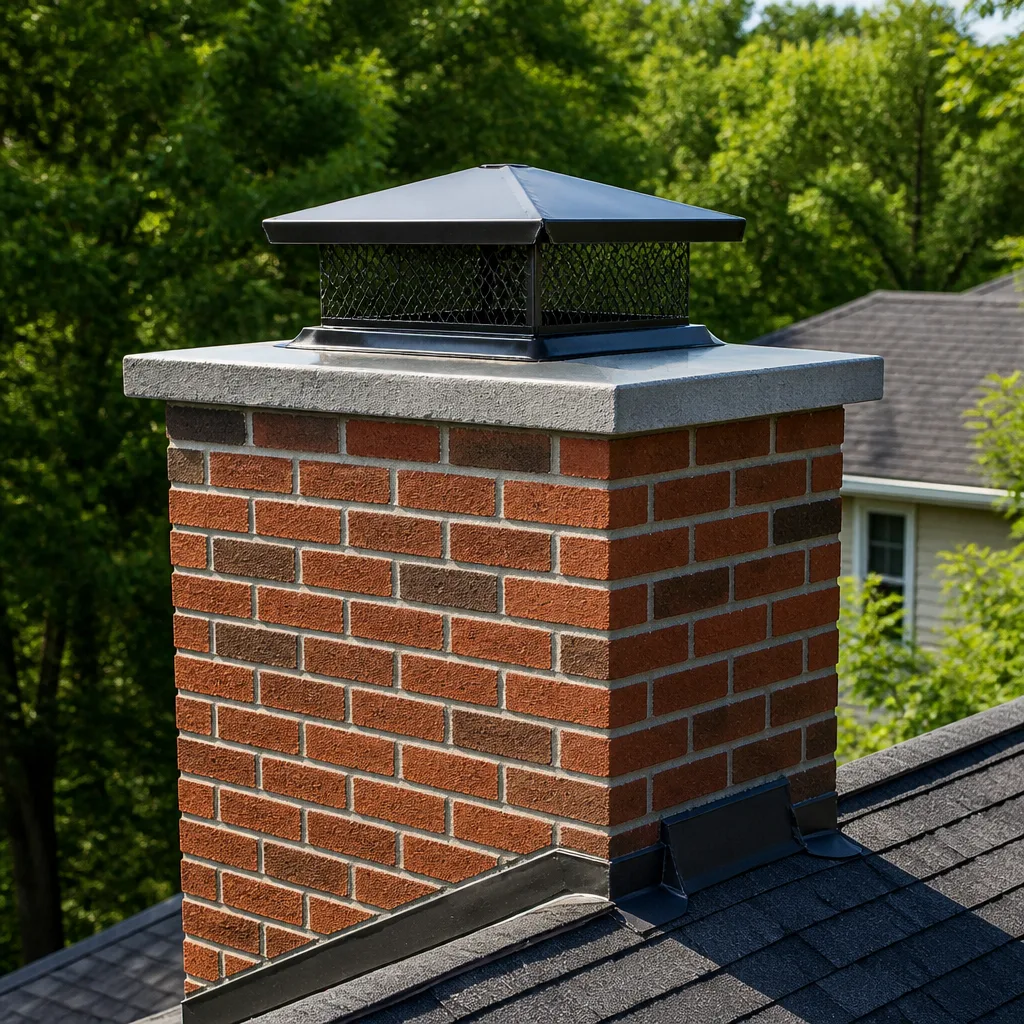 Caps & crowns
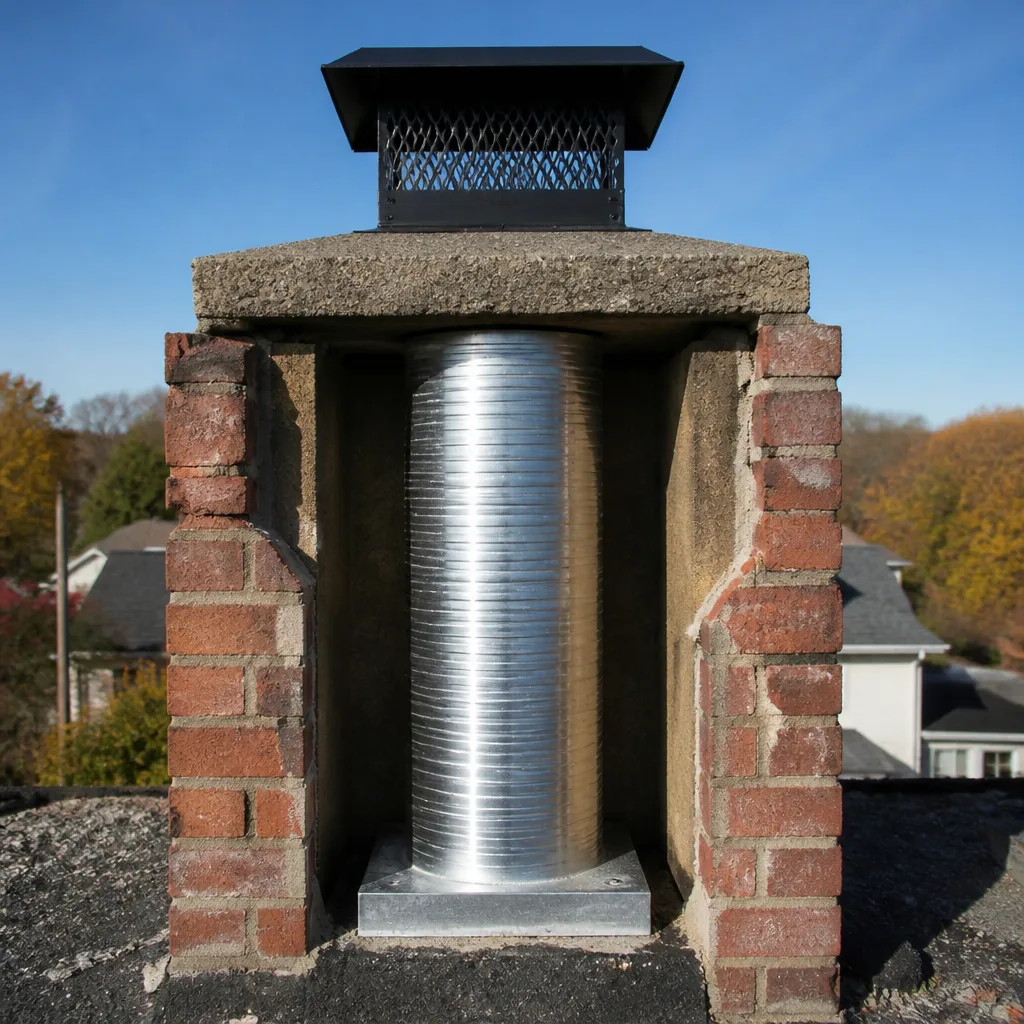 Flue relining
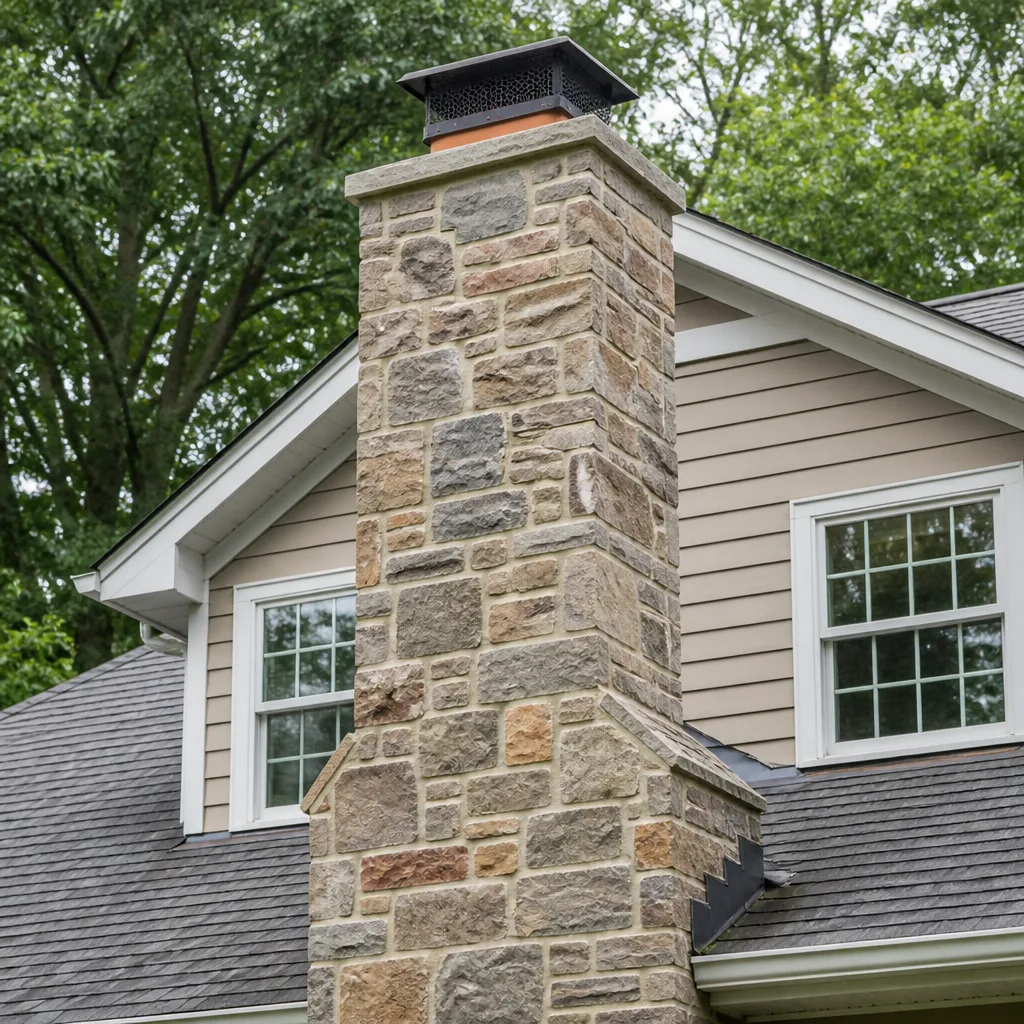 Masonry repair
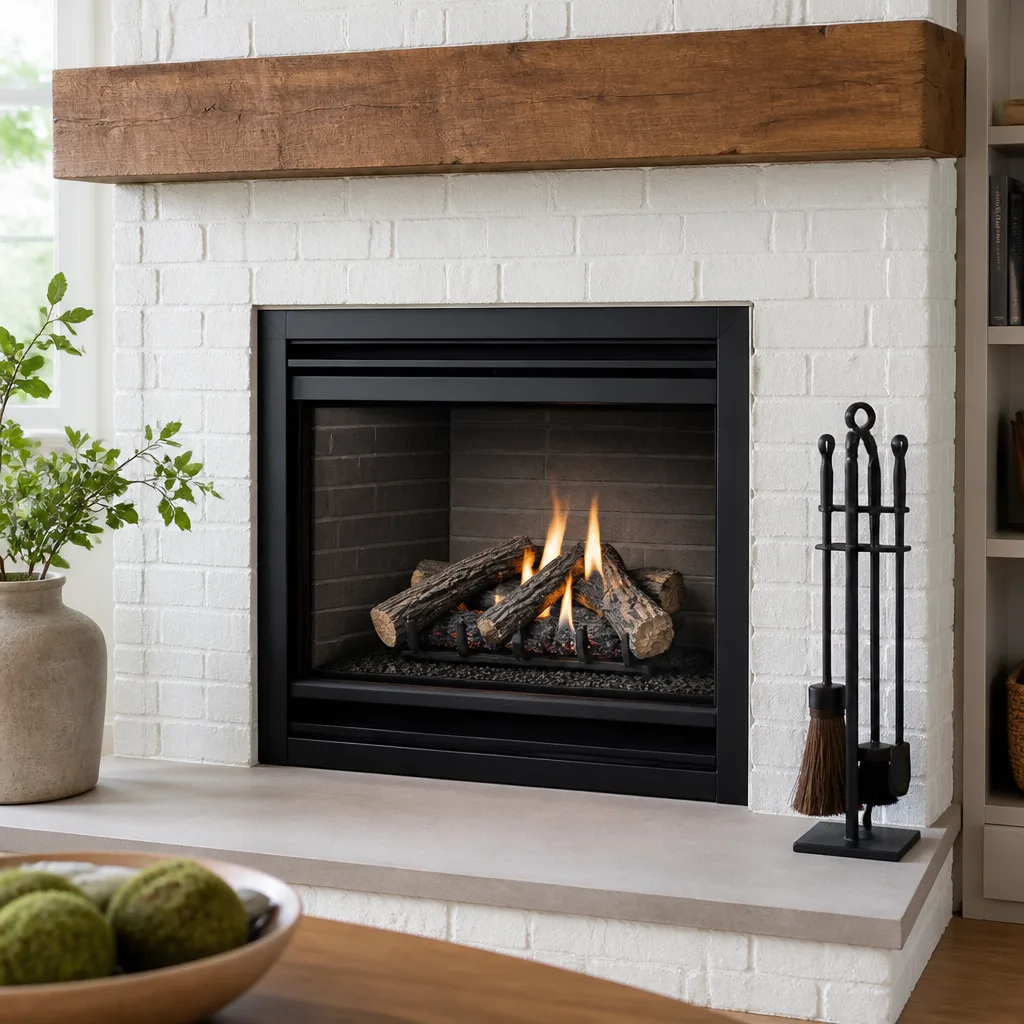 Gas fireplace service
Level 1 sweep and inspection to the NFPA 211 annual standard - flue, crown, cap, and flashing checked and photographed
Chimney sweep logs do not sweep chimneys. They loosen some creosote - which then falls where a brush and vacuum still have to collect it.
Chimney Cleaning Warning Signs: An Ozone Park Homeowner’s Reference Guide
A white stain on your chimney’s exterior isn’t cosmetic. It’s efflorescence, and it means water is already moving through your masonry from the inside out. That’s the trouble with chimney warning signs: the dramatic ones homeowners watch for are rare, while the subtle ones they ignore are common. By the time smoke rolls into the living room or a fire won’t draw, the problem has usually been developing for a while. This guide teaches you to read the quiet signs correctly, match each symptom to its likely cause, and know the difference between “schedule this soon” and “don’t light another fire until someone inspects it.” If you own a home in Ozone Park with a working fireplace or wood stove, keep this one bookmarked.
Quick Answer
The most reliable chimney cleaning warning signs are efflorescence (white staining on exterior brick), spalled brick faces, crown cracks, rust on the damper, white deposits on firebrick, a musty or acrid smell when the fireplace is idle, and chronic poor draft. If any of these appear alongside use of the fireplace, schedule a chimney sweep and inspection before the heating season. If you smell sulfur near a gas appliance, or you see heavy rust and crumbling mortar inside the firebox, stop using the fireplace and get an inspection first. Our technicians have up to 15 years of experience and can tell you what’s actually happening in the flue, not just what’s visible from the street.
Styles & brands we work with
- Sweep & inspection
- Caps & crowns
- Flue relining
- Masonry repair
- Gas fireplace service
Table of Contents
- Smell-Based Indicators: Musty, Acrid, or Sulfur
- Visual Signals You Can Read From Street Level
- Firebox-Level Signs You Can Assess Safely
- Draft Performance as a Diagnostic Tool
- Schedule Soon vs. Do Not Use: A Decision Tree
- How Often Ozone Park Chimneys Actually Need Sweeping
- Why Water Damage Is the Silent Warning Sign
- What a Real Inspection Covers
Smell-Based Indicators: Musty, Acrid, or Sulfur
Your nose catches more chimney problems than your eyes do. But not every smell points to the same root cause, and misdiagnosing it leads to the wrong fix. Here’s how to tell them apart.
Musty odor when the fireplace is idle
Damp, cellar-like smell in the room around the fireplace usually points to moisture in the flue or animal activity. Water getting past a failed cap, cracked crown, or failed flashing soaks into creosote residue and masonry, and the flue starts to smell like a wet basement. Birds, squirrels, and raccoons also nest in flues, and nesting material plus droppings creates a similar musty smell with a heavier, organic undertone. Either way, it points toward a physical problem that needs inspecting, not a scent to mask.
Acrid, smoky smell in summer
That sharp, burnt smell you notice on hot, humid days is a downdraft pushing stale creosote odors back into the house. Warm outside air is heavier than the cooler air in the flue, so the draft reverses. The smell itself isn’t dangerous, but it’s a useful signal. It tells you creosote has accumulated enough to release a persistent odor and that the flue is due for cleaning. In Ozone Park’s older rowhouses and attached homes, tight construction magnifies the effect because indoor and outdoor pressure differences are greater.
Sulfur smell near a gas appliance
A rotten-egg or sulfur smell near a gas fireplace or gas appliance is a different category of problem. It can indicate an unburned gas issue. Stop using the appliance and get it inspected before anything else. This isn’t a chimney cleaning question; it’s a gas safety question, and it deserves its own appointment.
Visual Signals You Can Read From Street Level
You don’t need binoculars or a ladder. Stand back across the street or on your sidewalk and look at your chimney stack for two minutes. Four patterns tell most of the story before anyone sets foot on the roof.
- Efflorescence (white staining): A chalky white deposit on the brick surface means water is migrating through the masonry and leaving mineral salts behind as it evaporates. It’s the earliest readable sign of water intrusion, and it’s usually connected to a crown or flashing failure higher up.
- Spalled brick: When the brick face peels, flakes, or pits, moisture inside the brick has frozen and expanded. Ozone Park’s freeze-thaw cycles in winter are exactly what drives this, and spalling only gets worse.
- Crown cracking: The concrete slab on top of the chimney should be one unbroken piece with a slight slope away from the flue. Hairline cracks become wider cracks, then cracked crowns allow water straight down into the flue.
- Mortar joint recession: If the mortar between bricks has worn back further than the brick faces, the joints are eroding. Look for horizontal bands where the mortar line sits noticeably recessed from the brick surface.
If you also see separated flashing where the chimney meets the roofline, that’s the most likely entry point for water and worth flagging when you call for a chimney repair. Catching these at the street level means the work stays small. Ignoring them usually means paying for larger masonry restoration later.
Firebox-Level Signs You Can Assess Safely
The firebox is where a homeowner can look with a flashlight and learn a lot without touching anything. Don’t reach up into the smoke chamber or remove components. Just look.
- Rust on the damper: A rusty damper means the firebox is staying wet, which usually means water is coming down the flue from above. Rust eats through the damper mechanism and forces replacement.
- White deposits on firebrick: Similar to efflorescence on the outside, white powdery deposits on the firebrick faces are a sign of moisture in the masonry around the firebox.
- Crumbling or loose smoke chamber mortar: If you can see brickwork above the firebox and mortar is coming away in flakes or has visible gaps, that’s a structural signal, not a cleaning issue.
- Damaged firebrick: Cracks wider than a hairline, or brick faces that are flaking in sheets, mean the firebox lining has been compromised. Don’t burn until it’s examined.
- Rust streaks on the firebox sides or floor: Any orange or reddish stain in the firebox is a moisture clue worth flagging to your technician.
The firebox is where I’d recommend every homeowner start their own visual check. It’s safe, it’s informative, and it tells whoever inspects your system where to look first. Fireplace repair often starts right here, which is why we handle firebox work alongside the flue instead of handing you off to another contractor.
Draft Performance as a Diagnostic Tool
Poor draft is one of the most misread symptoms in chimney maintenance. Homeowners blame wind, close the damper a little more, and move on. In Ozone Park, chronic backdrafting is more often a sign of blockage or liner damage than a sign of unusual wind. Draft is the diagnostic. Think of it as the chimney telling you whether it can actually breathe.
What healthy draft looks like
A properly drafting chimney pulls smoke up and out steadily. You see a clean, upward flow inside the firebox, no spill at the top of the opening, and consistent draw regardless of outdoor temperature. If you strike a match near the open damper and the flame pulls strongly upward before ignition, draft is working.
What poor draft means
If smoke drifts into the room when you open the door, or a fire struggles to catch and stay lit, the flue is telling you it’s partially blocked. Common causes include:
- Creosote buildup narrowing the flue
- Nesting material from birds or squirrels
- A cracked or displaced liner introducing turbulence
- A flue that’s sized wrong for the appliance
- Negative pressure from a tightly sealed house pulling air down
Taller attached homes on narrow lots in Ozone Park are especially prone to chronic backdraft because their interior stack heights and tight envelopes create strong pressure imbalances. When draft problems appear repeatedly rather than occasionally, that’s a chimney sweep and inspection question, not a weather question. The chimney needs to be cleaned, checked, and often relined with a system like DuraFlex if the original liner is failing.
Schedule Soon vs. Do Not Use: A Decision Tree
Homeowners ask us constantly whether a warning sign is urgent or not. It’s a fair question, and it deserves a straight answer rather than a pitch. Here’s how to sort your symptoms into two categories. Use this as a decision tool before calling, and share it with your technician when you do.
Schedule a cleaning and inspection soon (but it’s safe to keep burning cautiously)
- Efflorescence or minor spalling on the exterior brick
- Hairline cracks in the crown
- Mild musty smell when the fireplace is idle
- Rust beginning to appear on the damper
- Acrid smell on warm days when the fireplace is off
- You can’t remember the last time the chimney was swept
- Draft is inconsistent but not failing
Do not use the fireplace until inspected
- Heavy rust or crumbling mortar in the smoke chamber
- Damaged or crumbling firebrick in the firebox
- Spalling brick where brick faces are missing entirely
- Smoke rolling back into the room consistently
- Visible water entering the firebox or strong musty smell combined with visible moisture
- Sulfur smell near a gas appliance (treat as a gas issue; call immediately)
- Visible debris, nests, or blockage in the flue
If in doubt, treat it as a “do not use” and get it inspected. Nothing is recommended here without camera evidence you can see for yourself, and we’ll say plainly when work can safely wait until a better time. An inspection is a standalone product we offer for exactly that reason: to tell you what’s happening before anyone picks up a tool.
How Often Ozone Park Chimneys Actually Need Sweeping
There’s no universal number, but there is a general rule of thumb from the chimney trade: an annual inspection, and a sweep when the creosote layer reaches about an eighth of an inch. For Ozone Park homeowners who burn wood regularly through the heating season, that usually means a sweep roughly every cord of wood. Heavy burners need it once a year. Light users can often stretch to two or three years, but the annual inspection still matters because the inspection is what catches the problems cleaning alone misses.
Gas fireplace owners aren’t off the hook either. Gas flues accumulate less creosote, but they still collect dust, debris, and animal activity, and gas appliances have their own venting needs. An annual inspection is the cleanest way to know what your flue actually needs.
Ozone Park has a mix of older masonry chimneys and retrofitted liners, and that mix matters for frequency. A properly relined flue using a system like Gelco or Olympia Chimney tends to stay cleaner and last longer than an unlined original flue. When we work with named, professional-grade product lines, it’s because trades use those products for a reason: they hold up in the operating conditions these homes actually produce.
Why Water Damage Is the Silent Warning Sign
Most chimney damage that ends up requiring structural repair started as water intrusion. That’s why the chimney cap and crown matter more than most homeowners realize. A cracked crown lets water run straight into the flue. Missing or damaged caps let it enter from the top of the stack. Failed flashing at the roofline lets it work in from the side. Any of these can quietly degrade the masonry and liner for years before a fire ever misbehaves.
Proper chimney cap & crown work is one of the most cost-effective interventions in chimney maintenance. A good cap keeps out rain, snow, birds, and squirrels while letting smoke out. A properly formed crown sheds water away from the flue instead of allowing it to pool at the top. When we see a flue lined with HeatShield or new DuraFlex, we often see a properly capped stack above it. That’s not a coincidence; it’s how a chimney system is supposed to be put together.
If you’ve had efflorescence on your chimney for a season or two, or you’ve seen water in the firebox, that’s the time to get a chimney sweep and inspection scheduled before it becomes masonry restoration. Water damage is cumulative, and it doesn’t heal on its own.
What a Real Inspection Covers
An inspection that consists of a look up the flue from the firebox with a flashlight isn’t a full inspection. A proper inspection is diagnostic, which means it checks each part of the system on its own terms. When we inspect a chimney in Ozone Park, we’re checking the full system: flue, liner, cap, crown, firebox, and masonry. Not just the flue.
- Flue and liner: Liners are checked for cracks, gaps, displacement, and creosote buildup. A camera inspection lets us see the full length of the flue, which is why we include a photo report you can review yourself.
- Cap and crown: The top-of-stack condition is checked from above or via camera where needed.
- Firebox and smoke chamber: Firebrick, mortar joints, damper, and the smoke chamber shelf are examined for structural wear.
- Roofline details: Flashing, penetration points, and any adjacent roof wear are noted because water intrusion usually starts there.
- Draft diagnostics: Draft testing tells us how the chimney actually performs under use conditions.
A standalone inspection is a product we offer because it matters. Diagnosis before recommendation is how a chimney system gets repaired once, properly, instead of twice. If the report says the chimney is fine, that’s the best outcome for everyone, and we’ll tell you so. If it says the flue needs relining with DuraFlex or HeatShield resurfacing, you’ll see the camera evidence before any work is proposed.
Common Mistakes to Avoid
- Assuming a clean-looking firebox means a clean flue. The firebox can look spotless while the flue above it is loaded with creosote. The only way to know is to inspect the flue itself.
- Masking odors with air fresheners instead of diagnosing them. A musty smell in the room around an idle fireplace is a moisture or animal clue. Masking it just delays the inspection that will find the cause.
- Using the “burn it hot” rule to clear a struggling draft. In Ozone Park’s taller attached homes, chronic backdraft usually points to a blockage or liner problem, not to cold flue. Burning hotter can make creosote combustion worse instead of better.
- Hiring a sweep who also does “free” work that turns out to be a $5,000 upsell. A chimney sweep should clean and inspect, and a repair proposal should follow camera evidence you’ve seen for yourself. If a technician tells you that you need a new liner without showing you the flue, that’s a red flag.
- Waiting for a chimney fire before cleaning. Most chimney fires go unnoticed because they burn hot and fast and leave only cracked masonry and warped dampers behind. By the time the damage is visible, the chimney has often had one or more undetected events.
- Putting off the annual inspection because the fireplace seems to work fine. A chimney that drafts well can still have a hidden liner crack or a failing crown. The inspection is what catches problems before they cost more than the inspection.
- Ignoring water signs because the fireplace still lights. Efflorescence, spalling, and rust on the damper are all water signs. Water damage doesn’t wait for the fireplace to malfunction before doing the damage; it works in the background.
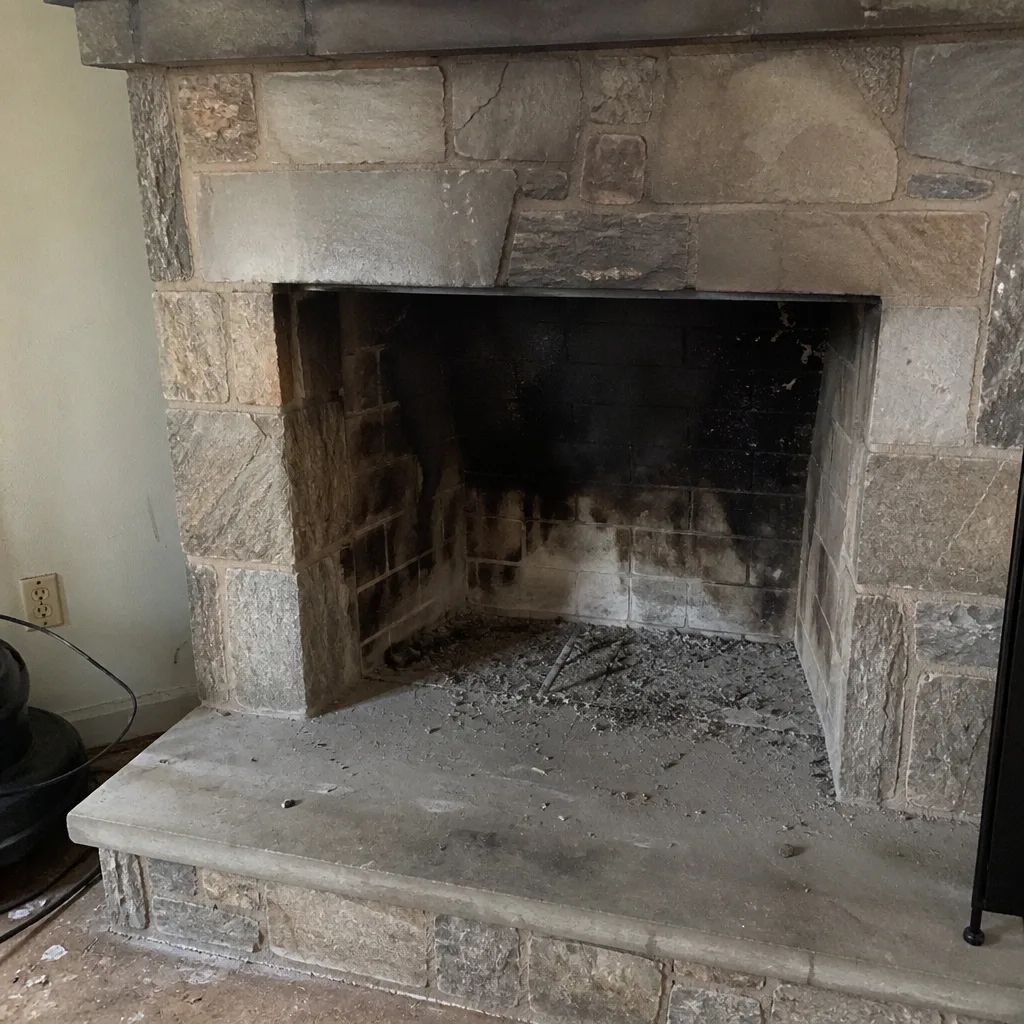
See the difference
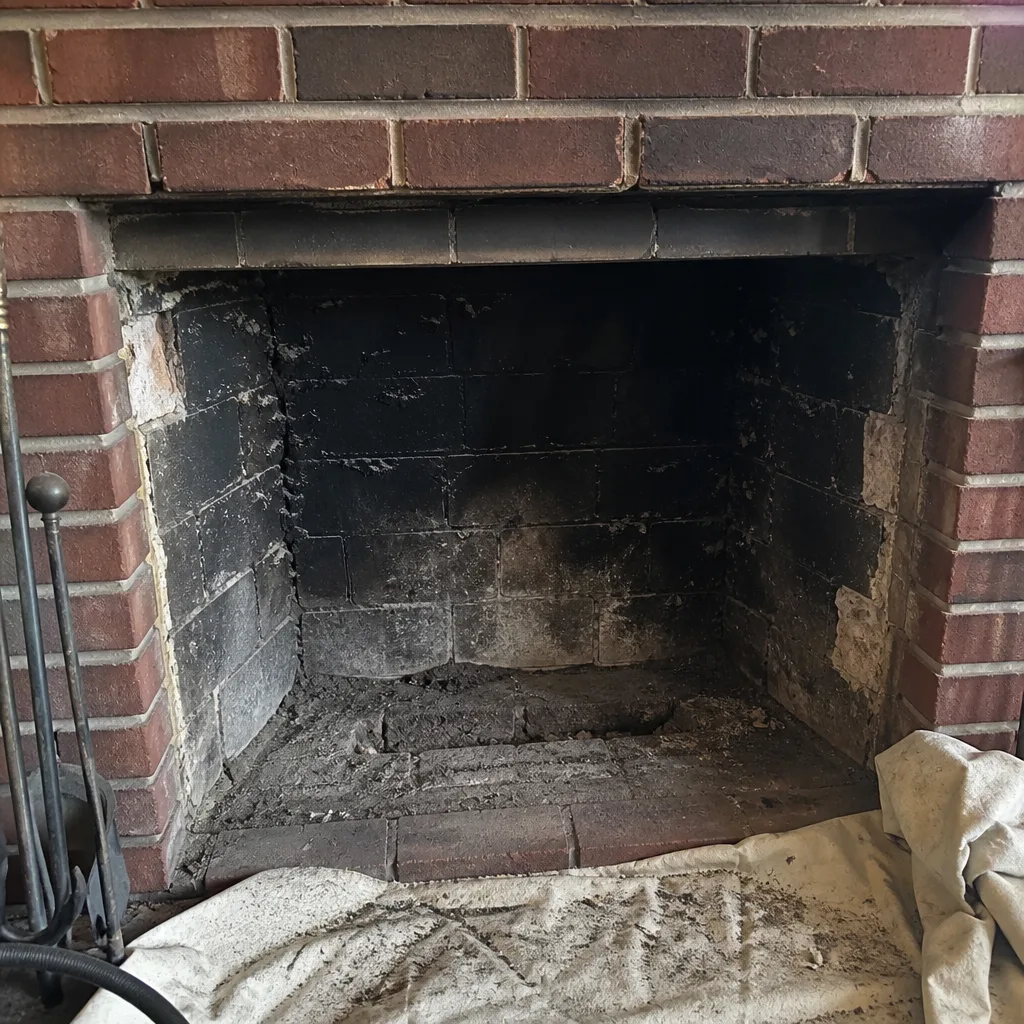 Before
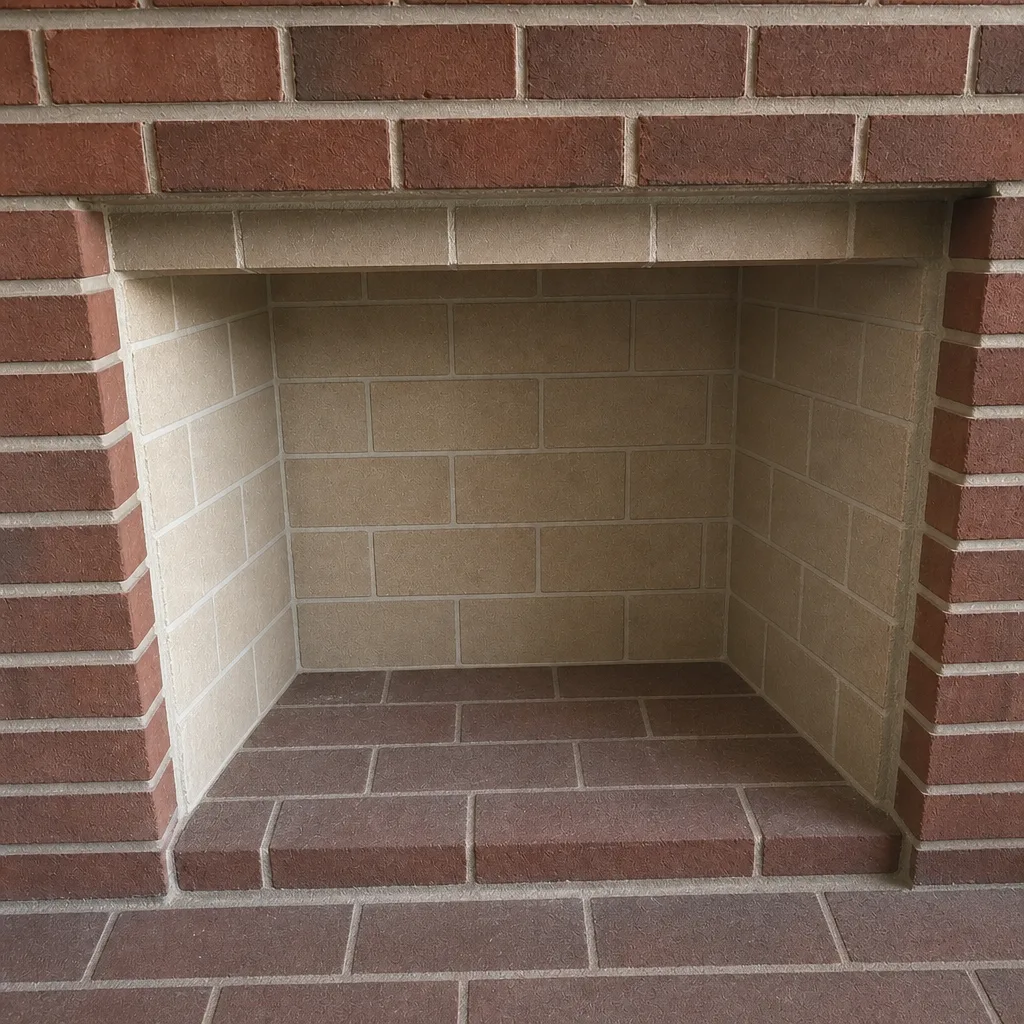 After
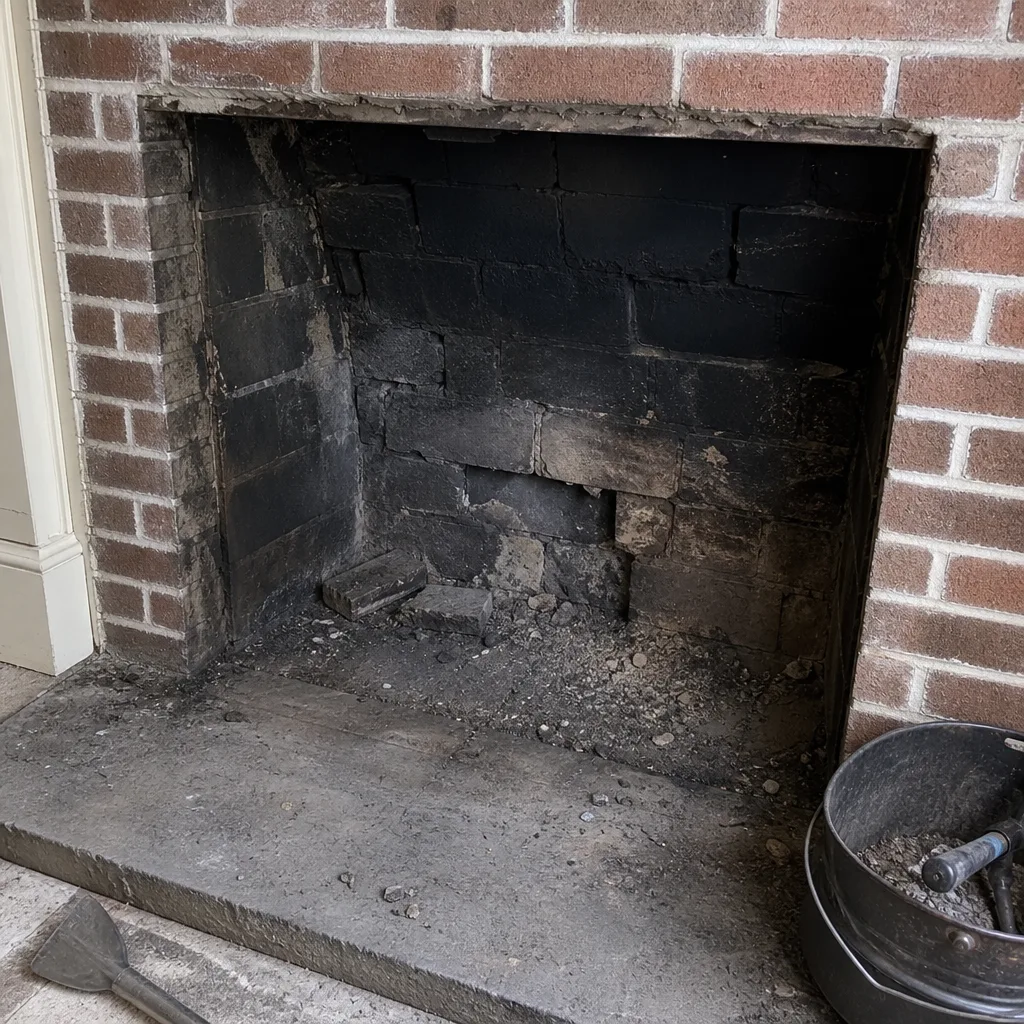 Before
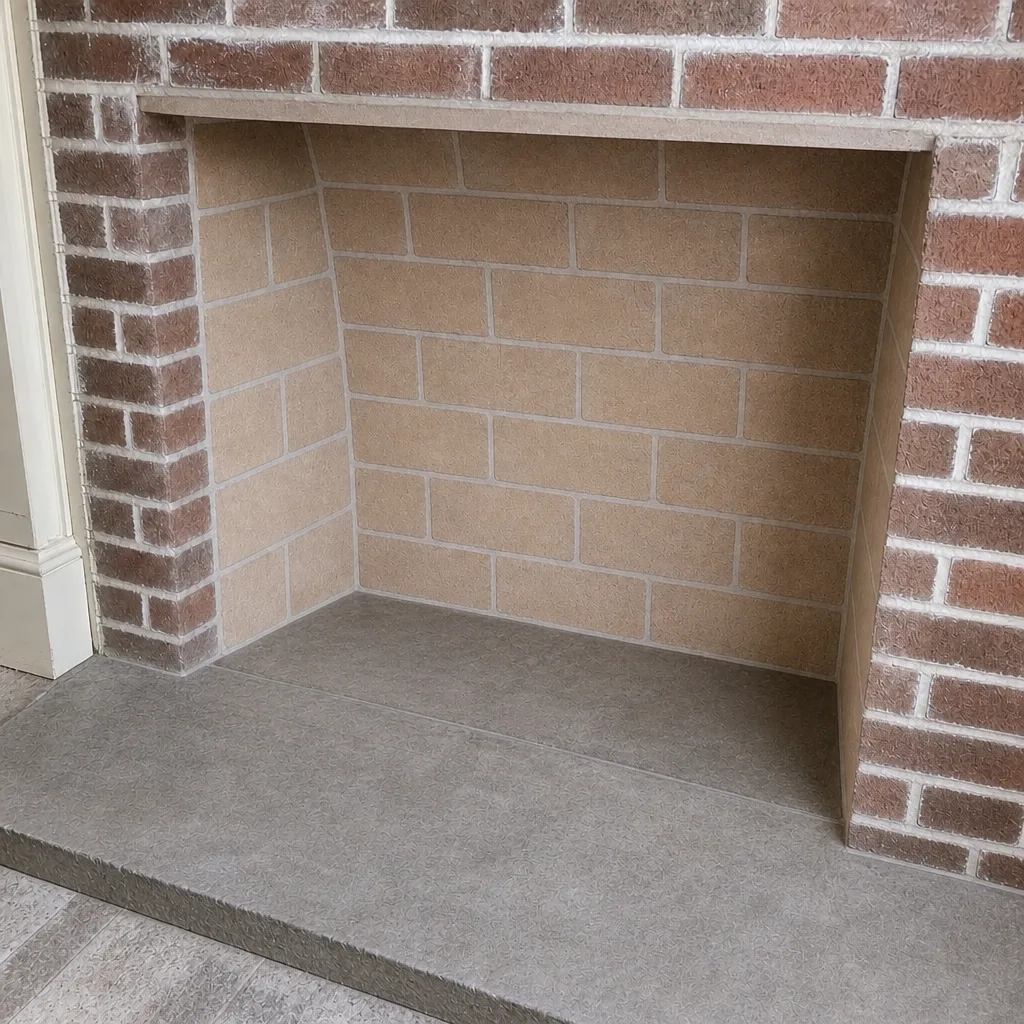 After
 Before
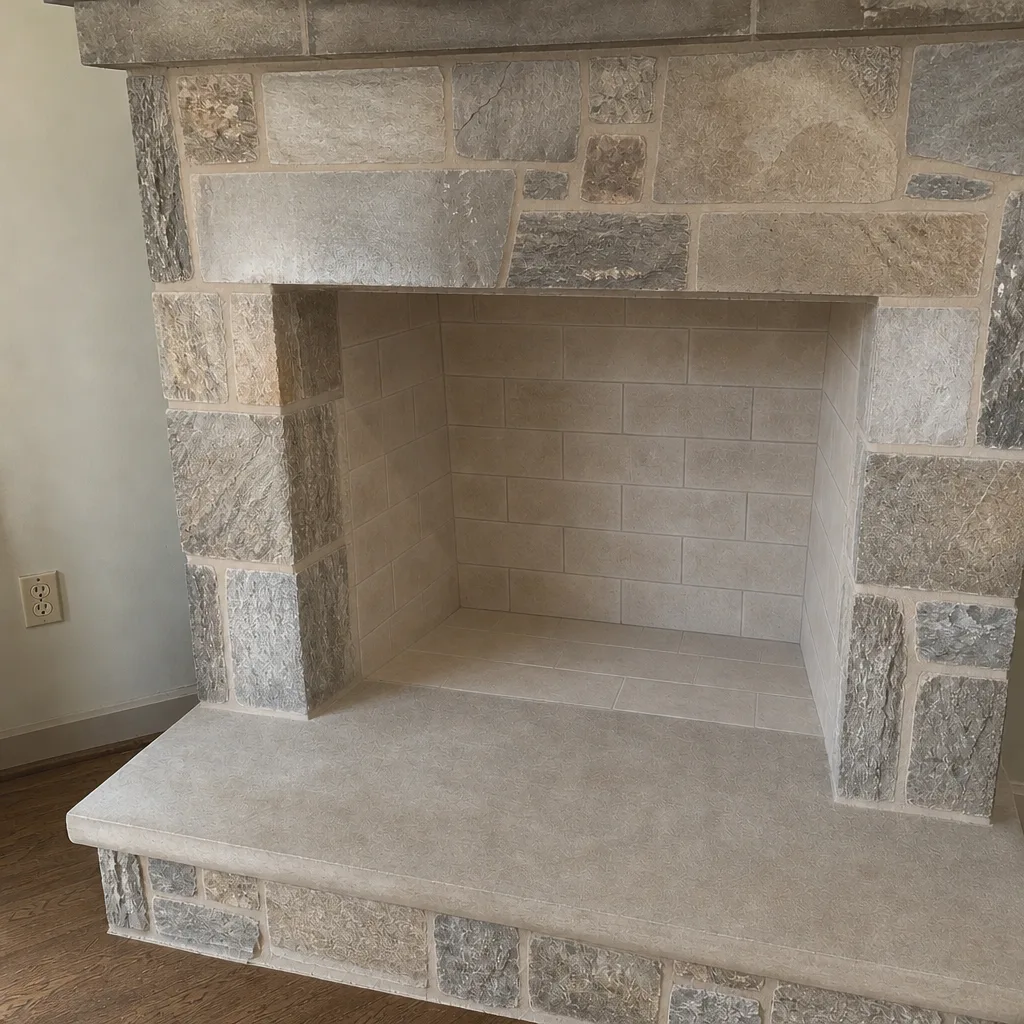 After
When to Call a Professional
Some warning signs are safe to note and schedule around. Others mean stop using the fireplace today. Call us if you see any of the following: water in the firebox or a strong musty smell when the fireplace is idle; spalling brick where brick faces are missing; heavy rust or crumbling mortar in the smoke chamber; damaged firebrick in the firebox; smoke consistently rolling back into the room; or a sulfur smell near a gas appliance. Also call if you can’t remember the last time the chimney was swept, or you’ve moved into a home in Ozone Park and haven’t had the system inspected since you arrived. Chimney Sweep Ozone Park offers free estimates in Ozone Park. Call (833) 508-9108 for a free estimate. Call (833) 508-9108. We answer 24/7. Fast dispatch from 7am to 7pm, Sunday through Friday.
Frequently Asked Questions
Chimney sweep pricing in Ozone Park runs on a per-job estimate, so the written estimate sets the final price. Typical sweeps cost less than a structural repair, and inspections are offered as a standalone product so you know exactly what you’re paying for. Call (833) 508-9108 for an exact quote. Estimates are free.
Only if the inspection shows the existing liner is failing. We recommend a liner when the camera evidence shows cracks, gaps, or displacement in the flue. If the liner is intact, we’ll say so, even when a new liner would be a bigger sale. HeatShield resurfacing can sometimes extend the life of a deteriorated flue without full demolition, so there are options to discuss once we’ve seen the flue. Call (833) 508-9108 for an exact quote. Estimates are free.
Most Ozone Park homes should have an annual inspection, with a sweep when creosote reaches about an eighth of an inch on the flue walls. That usually means once a year for regular wood burners and once every two or three years for light users. The inspection is what catches the warning signs cleaning alone misses. Call (833) 508-9108 for an exact quote. Estimates are free.
Creosote continues to accumulate, water intrusion keeps working at the masonry, and small problems become structural ones. A cracked crown or failed flashing left alone can mean water in the flue for a full season and masonry spalling that’s expensive to repair. The fireplace can also stop drafting reliably and begin spilling smoke into the room, which is a hazard. Call (833) 508-9108 for an exact quote. Estimates are free.
You can spot several signs from the sidewalk: efflorescence, spalling brick, crown cracks, and mortar joint recession. What you can’t see from outside is the creosote buildup inside the flue, which is why the inspection matters even when the exterior looks fine. Call (833) 508-9108 for an exact quote. Estimates are free.
A sweep cleans the flue; an inspection diagnoses the whole system, including the flue, liner, cap, crown, firebox, and masonry. They’re often done together, but they answer different questions. We offer standalone inspections so the diagnosis happens before any repair recommendation. Call (833) 508-9108 for an exact quote. Estimates are free.
The Bottom Line
Chimney warning signs aren’t dramatic; they’re quiet, and they’re usually about water, creosote, or draft. Read your chimney from the street for efflorescence, spalling, crown cracks, and mortar recession. Check the firebox with a flashlight for rust, white deposits, and crumbling mortar. Notice what your nose tells you when the fireplace is idle. Sort your symptoms into “schedule soon” and “do not use,” and when in doubt, treat it as do not use. The annual inspection is the cheapest insurance in chimney maintenance because it catches the quiet signs before they become structural ones. Whether you need a routine sweep, a full-system inspection, or a repair using DuraFlex, HeatShield, Gelco, or Olympia Chimney products, the starting point is always the same: look, diagnose, then decide. If you’ve spotted any of the signs in this guide and you’d rather have a specialist look, we’re set up to handle the whole system, and we’ll give you a straight answer with the evidence in front of you. Call (833) 508-9108. We answer 24/7. Fast dispatch from 7am to 7pm, Sunday through Friday. For chimney services across Ozone Park, visit Chimney Sweep Ozone Park.
Written by the team at Chimney Sweep Ozone Park.