
Last updated November 25, 2026
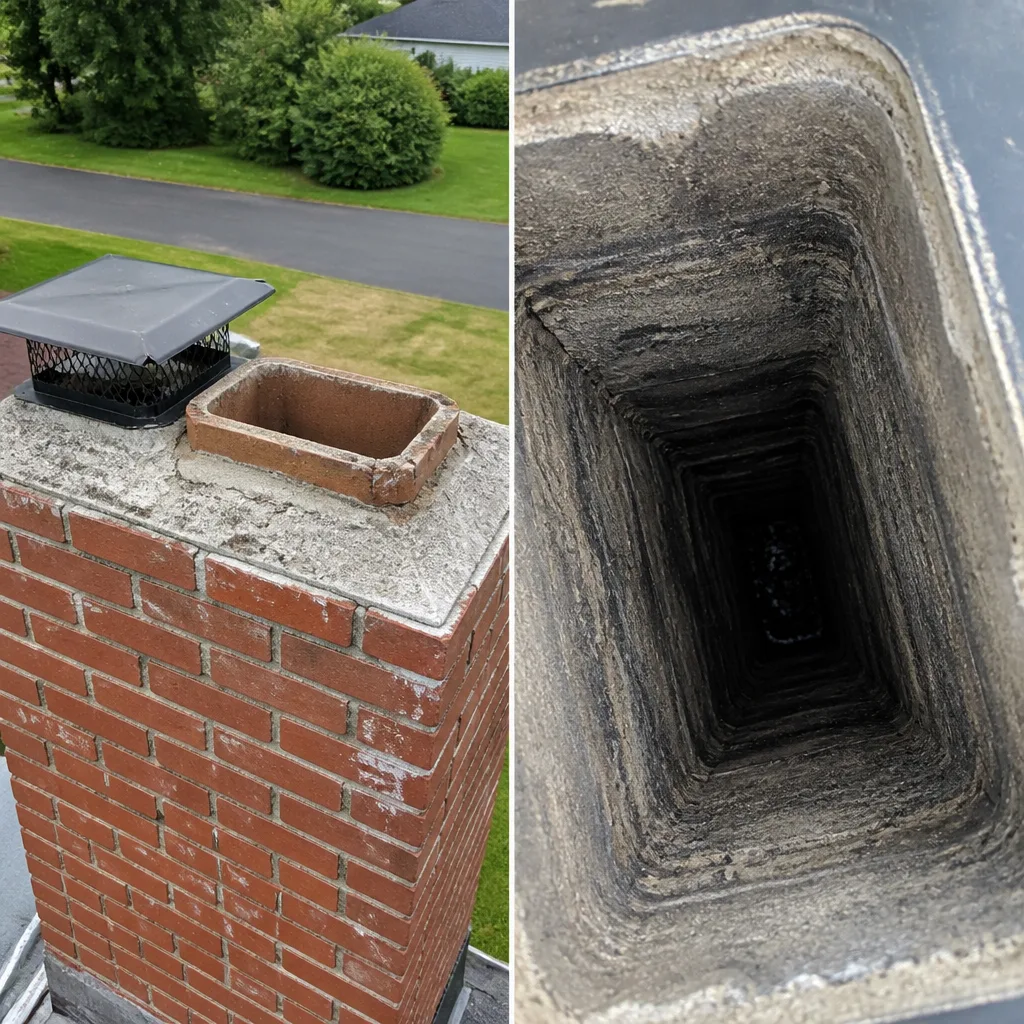 Sweep & inspection
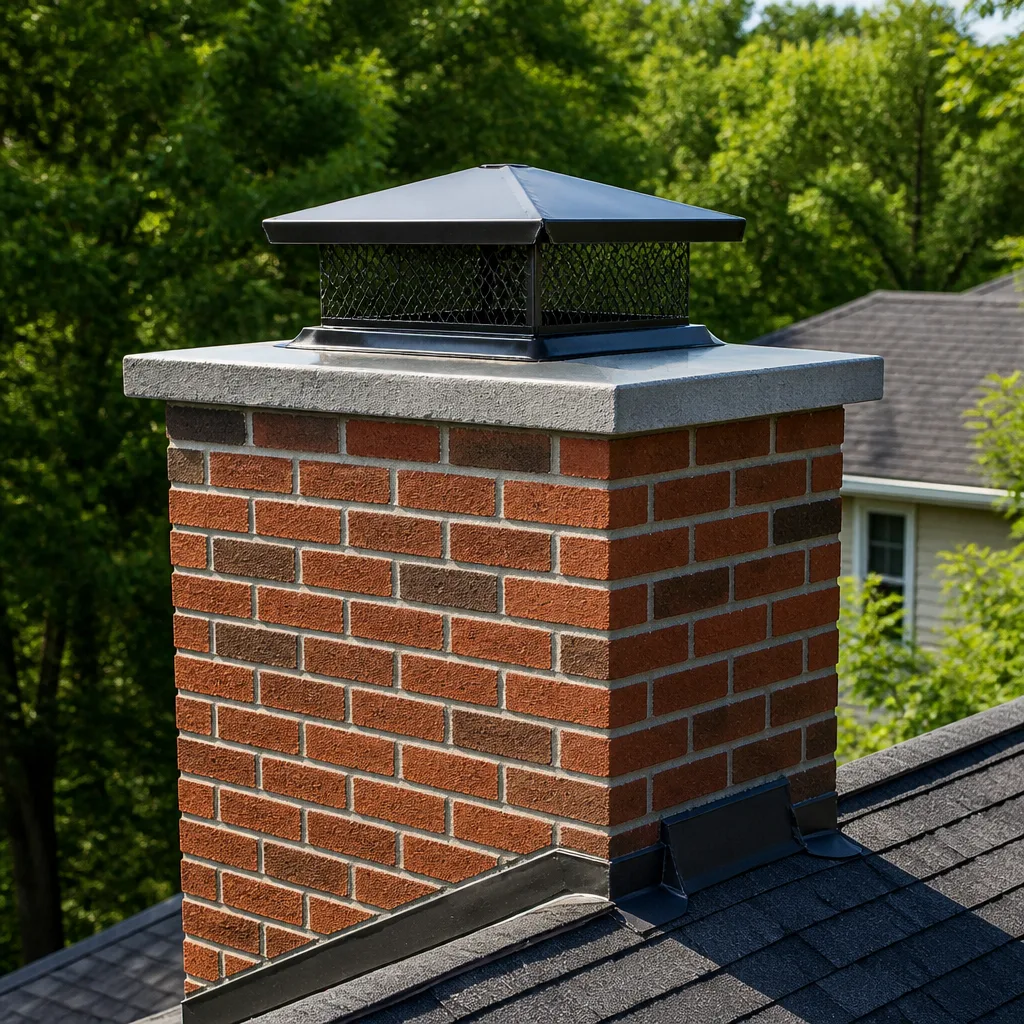 Caps & crowns
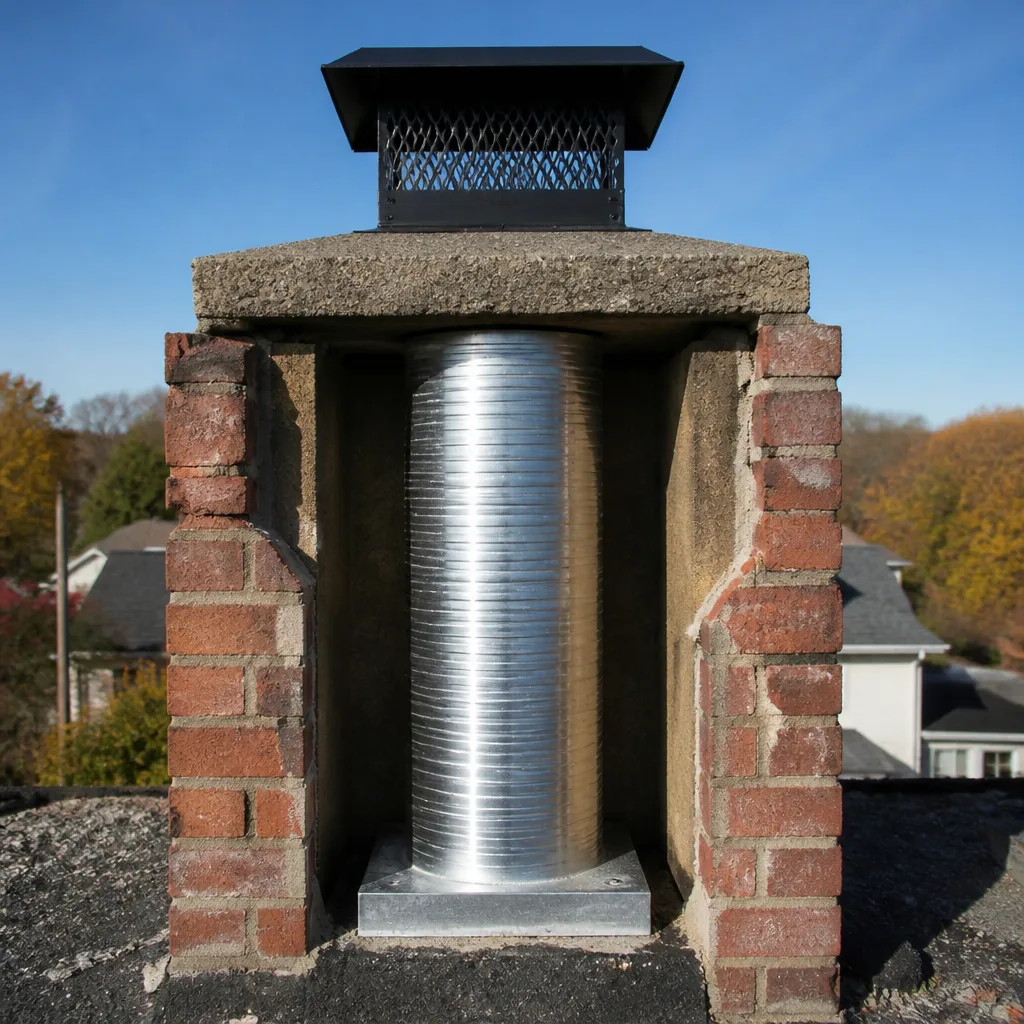 Flue relining
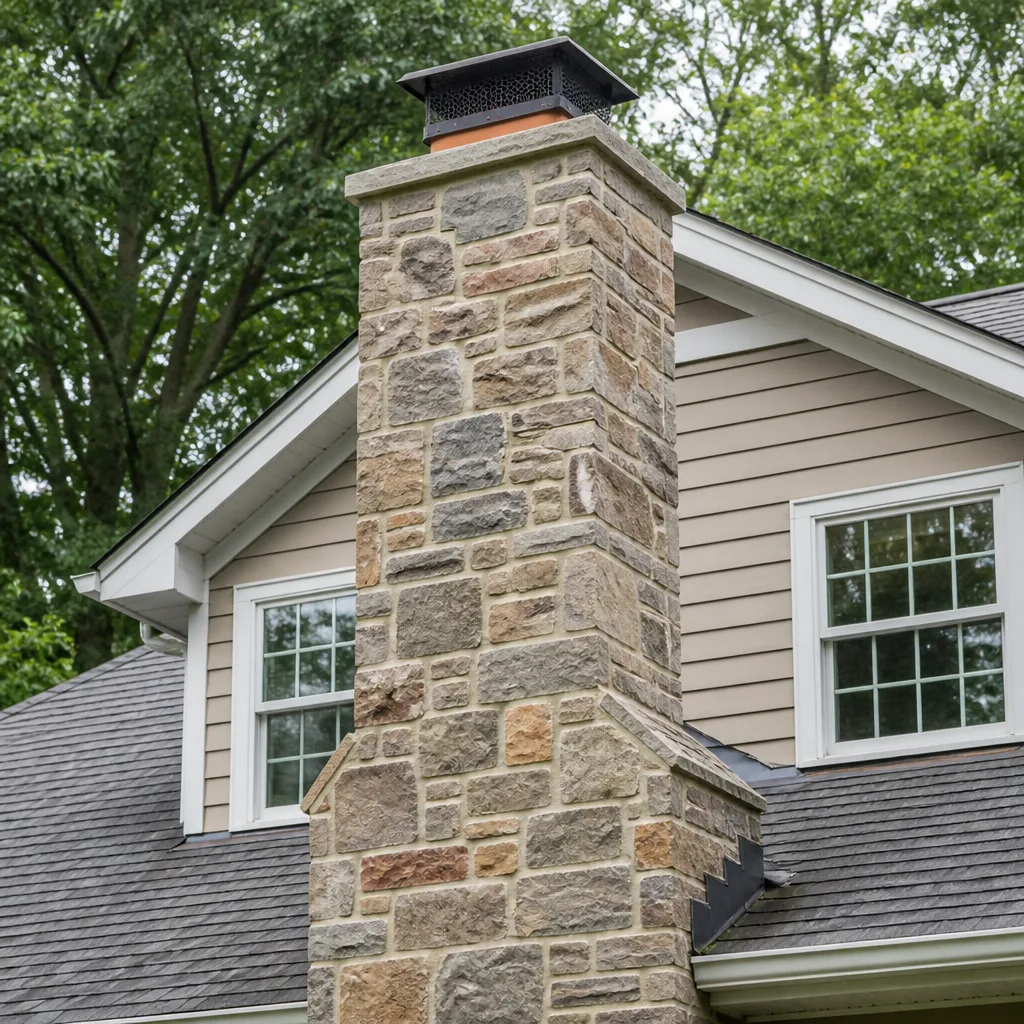 Masonry repair
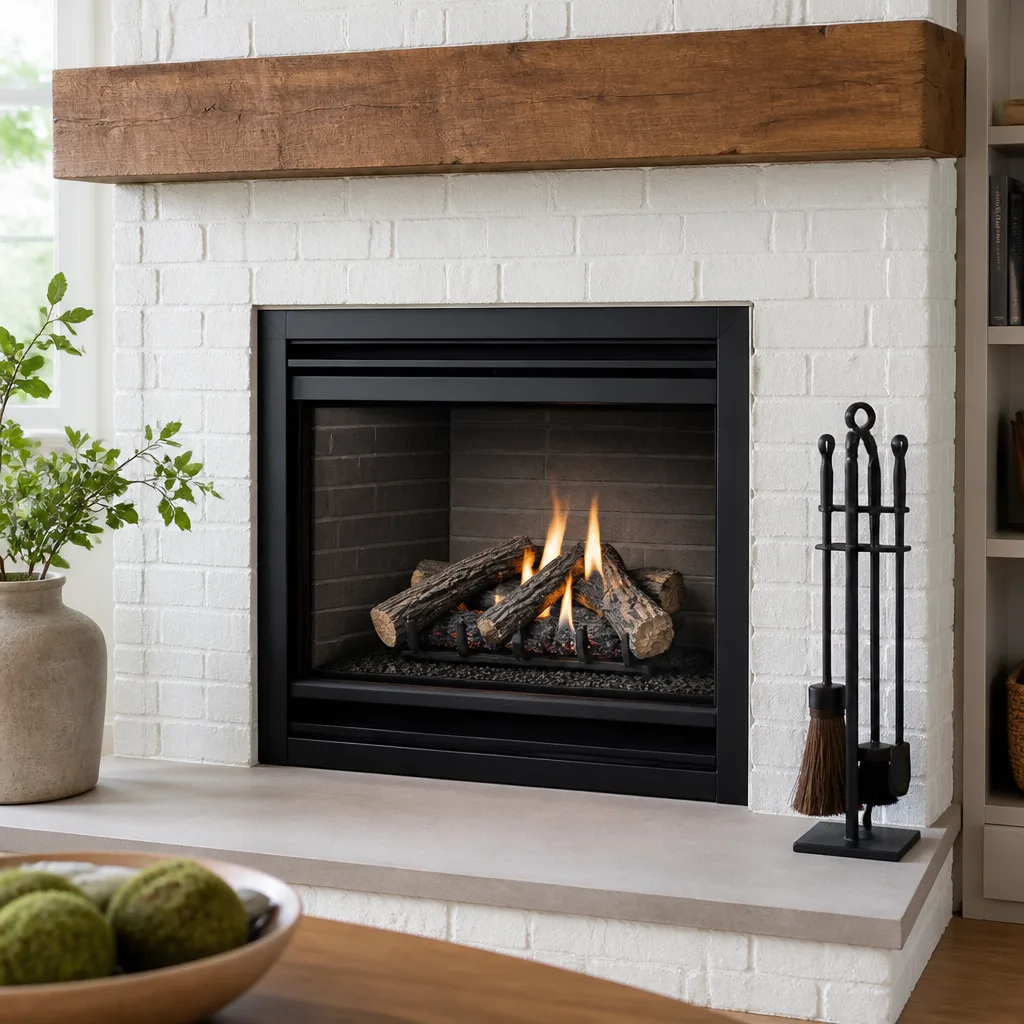 Gas fireplace service
Level 1 sweep and inspection to the NFPA 211 annual standard - flue, crown, cap, and flashing checked and photographed
Chimney sweep logs do not sweep chimneys. They loosen some creosote - which then falls where a brush and vacuum still have to collect it.
Chimney Sweep Maintenance Checklist for Ozone Park Homeowners
A checklist that says “inspect annually” is not a checklist. It is a reminder, and reminders get ignored because they tell you nothing about what you are actually looking at. The real value of chimney maintenance is knowing what you see when you open the damper on a January evening or stand in the backyard looking up at the crown. This guide gives Ozone Park homeowners a condition-based checklist: what to look for yourself, what those findings mean, and the specific triggers that tell you it is time to call a specialist rather than waiting for a date on the calendar.
Quick Answer
A working chimney maintenance checklist for an Ozone Park home has three parts: monthly visual checks you can do safely from the firebox and the yard, usage-based sweeping triggers tied to how much and what kind of wood you burn, and a professional inspection on a schedule set by condition rather than guesswork. If you burn regularly, a sweep and inspection once a year keeps the flue safe; if you burn heavily or notice spalling firebrick, rusted damper parts, or crown cracks, you shouldn’t wait for the calendar.
Styles & brands we work with
- Sweep & inspection
- Caps & crowns
- Flue relining
- Masonry repair
- Gas fireplace service
Table of Contents
- The Interior Checklist: What You Can Safely See From the Firebox
- The Exterior Checklist for Ozone Park Row Homes
- Usage-Based Triggers: When Your Burning Habits Set the Schedule
- Cap and Crown: What Healthy Looks Like, and What Doesn’t
- Reading Creosote: The Three Glazed Stages and What Each Means
- Building a Maintenance Log That Saves You Money
- What a Professional Inspection Actually Covers
The Interior Checklist: What You Can Safely See From the Firebox
Most of what matters can be observed without touching anything dangerous. Open the damper, shine a flashlight up, and look. You are checking condition, not performing repairs. The firebox and the lower flue are the two zones a homeowner can assess safely, and what you find there is the best early signal of what is happening higher up.
Work through this list with a flashlight, from the firebox floor up to the smoke chamber:
- Firebrick faces. Look for spalling, which shows as flaking, pitting, or chunks missing from the brick face. Spalling firebrick means the refractory is breaking down and heat is reaching the brick behind it. That is a repair signal, not a cosmetic one.
- Mortar joints. Check the joints between firebricks for crumbling or gaps. Recessed, sandy joints that crumble when you run a finger along them (with the fire cold) are worth flagging.
- Damper frame and plate. Open and close the damper. It should move without grinding, and the frame should sit flush. Rust streaks, a warped plate, or a damper that won’t seal tells you the metal is deteriorating.
- The smoke shelf and chamber. Shine the light up past the damper. White, chalky staining (efflorescence) on the smoke chamber walls is a sign of moisture moving through the masonry. That is one of the most common findings we see and one of the easiest to overlook.
- Creosote at the flue throat. Look at the first foot or two of flue above the damper. Flaky, crunchy deposits are normal; shiny, tar-like glaze is a warning sign covered in its own section below.
- The firebox floor. Check for cracks running through the hearth floor and for ash buildup that hides them.
None of this requires a tool or a ladder. If you note anything on this list, write it down with the date. You will use those notes later. And if any of it looks compromised, stop lighting fires until a specialist has looked at it. A chimney sweep in Ozone Park can confirm what you are seeing without guesswork.
The Exterior Checklist for Ozone Park Row Homes
Ozone Park’s housing stock matters here. Row homes and semis share walls, rooflines, and often a single chimney stack serving two addresses. That shared geometry means problems on one side show up at the flashing line where the two buildings meet, and it means you and your neighbor are looking at the same crown from the ground. You can do most of the exterior check from the yard with binoculars. Never climb the roof to inspect it yourself; roof work is a job for trained professionals with the right fall protection.
From ground level, check these points:
- Flashing at shared walls. The metal that seals the chimney to the roof is where water gets in first. Look for lifted, rusted, or missing flashing where the chimney meets the roof slope and where it meets the party wall. On Ozone Park row homes, the party-wall flashing is the number one leak path we get asked about.
- Crown cracks. The crown is the concrete cap on top of the chimney. From the ground, look for visible cracks, a crown that is pulling away from the flue tile, or a crown that looks like it is spalling in layers. A cracked crown lets water down into the masonry all winter.
- Brick faces. Look for white bloom (efflorescence) on the exterior brick, which indicates moisture moving through. Look for spalling too, where brick faces are flaking off. The lower part of the stack near the roofline is the most telling area.
- Mortar joints. Recessed or missing mortar between bricks is visible from the ground and is an early masonry repair signal.
- The cap. Covered fully in the next section, but from here you want to see whether the cap is intact, level, and attached.
The freeze-thaw cycle is what punishes Ozone Park masonry. Water soaks into a crack in fall, freezes, expands, and by spring the crack is wider. That cycle repeats through the winter, which is why a small crown crack in October becomes a real repair by March. If you spotwater intrusion clues on the exterior, that is your first call, not your spring call. Our chimney repair work starts with diagnosing exactly where the moisture is entering before any masonry goes up.
Usage-Based Triggers: When Your Burning Habits Set the Schedule
Calendar-based advice ignores the most important variable: how you actually use the fireplace. A household that lights three fires a season and a household that burns several cords a year do not need the same schedule, and treating them the same is how people either overspend or under-maintain. Sweeping frequency should follow your burning, not the month.
Here is how usage translates into real triggers:
- Cord volume. If you burn one cord or less per season, a single annual sweep and inspection is generally enough. If you burn two or three cords, or burn daily through the winter, plan on more frequent checks. A cord is roughly a full pickup bed stacked; it is worth getting a real count of what you use each winter.
- Seasoned versus green wood. Green wood produces more creosote and more smoke because more of the fire’s energy goes into boiling off water. Seasoned wood that has dried for a year or more burns hotter and leaves less behind. If you know your wood is on the green side, shorten your sweep interval.
- Pellet and gas fireplaces. Pellet stoves and gas fireplaces produce different deposits than wood. Gas appliances produce acidic moisture that attacks metal liners rather than building thick creosote, so the concern shifts to liner condition rather than flue obstruction. Pellet appliances build ash, not creosote, and need the vent and appliance cleaned regularly. The checklists differ, so tell us what you are burning when you book.
- Fire frequency and burn behavior. Long, hot burns with the damper open enough to draft well leave less creosote than frequent smoldering fires with restricted air. If you run a fire overnight with the air choked down, that cool, slow burn deposits more.
Write down your approximate cord count and your burning habits in your log (covered below). That one record changes the conversation entirely. When you call for a chimney sweep, knowing you burned two cords of mixed wood with the damper choked down is a far more useful starting point than “it’s been a while.”
Cap and Crown: What Healthy Looks Like, and What Doesn’t
The cap and crown are where most preventable chimney damage starts, and they are the two parts a homeowner can evaluate best. The crown is the concrete top of the chimney; the cap sits over the flue opening itself. Both take direct weather and both fail before the rest of the stack does.
What a healthy crown looks like
A sound crown has an unbroken surface with a slight overhang past the chimney walls, and it sheds water away from the flue tiles. It should have no visible cracks, no separation from the flue tile, and no spalling layers. If your crown looks flat rather than sloped, or if it is cracked, water finds its way down into the masonry every time it rains.
What a healthy cap looks like
A proper cap is a metal or masonry cover on legs, open on the sides, with a mesh screen that lets smoke out and keeps animals out. The mesh size is what matters most for Ozone Park. Small mesh (roughly half an inch or tighter) keeps out starlings, sparrows, and squirrels, which nest in open flues constantly in this part of Queens. A cap with large or torn mesh is effectively no cap when it comes to wildlife. Compromised caps show as sagging, rusted-through, bent, or missing mesh panels. If you can see through the mesh holes at a glance, animals can get through them too.
The condition of the cap and crown also determines whether moisture and nesting debris are getting into your flue at all. A failed cap is the single easiest fix that prevents a cascade of larger problems downstream. Our chimney cap & crown work covers both, and we use professional-grade components rather than builder-supply substitutes. If the crown is cracked or the cap is failing, fixing it now is far cheaper than repairing the masonry it is letting water into.
Reading Creosote: The Three Glazed Stages and What Each Means
Creosote is the residue left on the flue walls from incompletely burned wood. Not all creosote is equal, and the difference matters more than any other single finding in this guide. Chimney sweeps recognize three stages, and the stage decides what action is needed.
- Stage one: soot and soft flaky deposits. This is normal, expected buildup. It sweeps off cleanly with standard brushes and is why an annual sweep matters. No repair needed, just cleaning.
- Stage two: hardened, crusty deposits. Some of it takes a firm scrape. This is a sign that firing habits or wood moisture slipped. It still sweeps out with the right technique, but it means you need to tighten up on wood quality and burn hotter fires.
- Stage three: glazed, tar-like creosote. This is baked-on glaze that ordinary brushing won’t remove. It is the stage associated with the highest risk because it is hard to clear and it indicates burn conditions that produced significant fuel deposits. For stage-three glaze, a specialist may need to discuss chemical sweeping or liner assessment. This is where we look closely at the liner condition and decide whether a HeatShield application can resurface a deteriorated flue rather than a full relining.
In our experience working Ozone Park chimneys, stage-three creosote is most often tied to unseasoned wood and choked-down burns. If you see glaze when you shine a light up the flue, that is a specialist call. Don’t test it with a fire.
Building a Maintenance Log That Saves You Money
Most homeowners call a chimney professional with no memory of what was done last time. That costs money because the sweep has to start from scratch diagnosing what is already known. A simple written log changes that. It does not need to be elaborate, just consistent.
Here is what a useful log entry looks like. Create a notebook or a note on your phone with these fields:
- Date of the service. A dated record of every sweep, inspection, and repair.
- Who did the work. The company name and what was done.
- What was found. Any issues reported, even minor ones. “Crown hairline crack noted, monitor” is a record that helps you next time.
- What was recommended and what you declined. This is the single most valuable line. If a sweep recommends a liner and you decide to wait, write it down. When you call again, you know what was flagged and can compare.
- Your burning log. Roughly how many cords you went through and what kind of wood. Once a season is enough.
- Photos. Phone photos of the crown, cap, firebox, and flue throat at each service turn a memory into evidence.
One log satisfies the documentation habit for years. It also makes any inspection report you keep from us traceable, so a future contractor can see what was true at the last visit rather than guessing. That is the difference between a diagnosis and a sales pitch.
What a Professional Inspection Actually Covers
A chimney inspection tells you what’s actually happening before anyone picks up a tool. That is the standard we work to, and it is the reason we offer inspections as a standalone service rather than only bundling them into sweeping. Diagnosis should come before recommendation.
An inspection covers the full system: the flue and its liner, the firebox, the smoke chamber and damper, the crown and cap, the masonry stack, and the flashing at the roofline. We check each zone and document what we find, including photos you can look at yourself. If we recommend a repair, we can show you the photo that supports it. If the work can safely wait, we say so.
The parts of the system you cannot inspect from the ground are the parts that require a trained eye on the roof and camera equipment inside the flue. A camera inspection checks the liner for cracks, gaps, and offsets that an open flue will not reveal. When we find a deteriorated liner, the options range from a HeatShield resurfacing to a full relining with DuraFlex or an Olympia Chimney system, depending on the extent of the damage. HeatShield lets us restore a flue liner without demolition, which is a significant advantage over tearing out masonry. The point is that the materials are matched to what the inspection actually finds, not assumed. Our full-spectrum service means sweeping, cap and crown work, chimney inspections, and fireplace repair all come from one specialist rather than juggling multiple contractors. For the wider picture of how we work, start at Chimney Sweep Ozone Park.
Common Mistakes to Avoid
- Treating the annual sweep as a substitute for an inspection. Sweeping removes deposits; inspection finds damage. They are different tasks, and a sweep alone will not catch a cracked crown or a failing liner.
- Climbing the roof yourself to “check the crown.” Ozone Park row homes have steep pitches and shared rooflines, and falls are the leading serious injury in this kind of home maintenance. Ground-level inspection with binoculars tells you plenty; roof work is for trained professionals with fall protection.
- Burning green or unseasoned wood because it is cheaper. The savings disappear when you are paying for more frequent sweeps and dealing with glazed creosote. Burn seasoned wood, and accept that a hotter, cleaner fire is the point.
- Ignoring the cap because the chimney still drafts. An open flue still drafts, but it is also a nesting site. A cracked or missing cap lets starlings and squirrels in, and their nests block the flue and create a fire hazard. Small mesh is not optional in this part of Queens.
- Calling after water damage instead of before. Every Ozone Park freeze-thaw cycle widens a small crown crack. Deal with moisture clues in fall so winter freezing does not turn them into masonry work by spring.
- Not writing anything down. Six months later, “was the liner replaced or resurfaced?” is unanswerable without a log. Keep dated records, including what you declined.
- Lighting a fire with the damper stuck open or closed. An open damper with a dirty flue can push smoke back into the room; a closed one will too. Check the damper before every fire, and if it grinds or will not seal, get it looked at.
See the difference
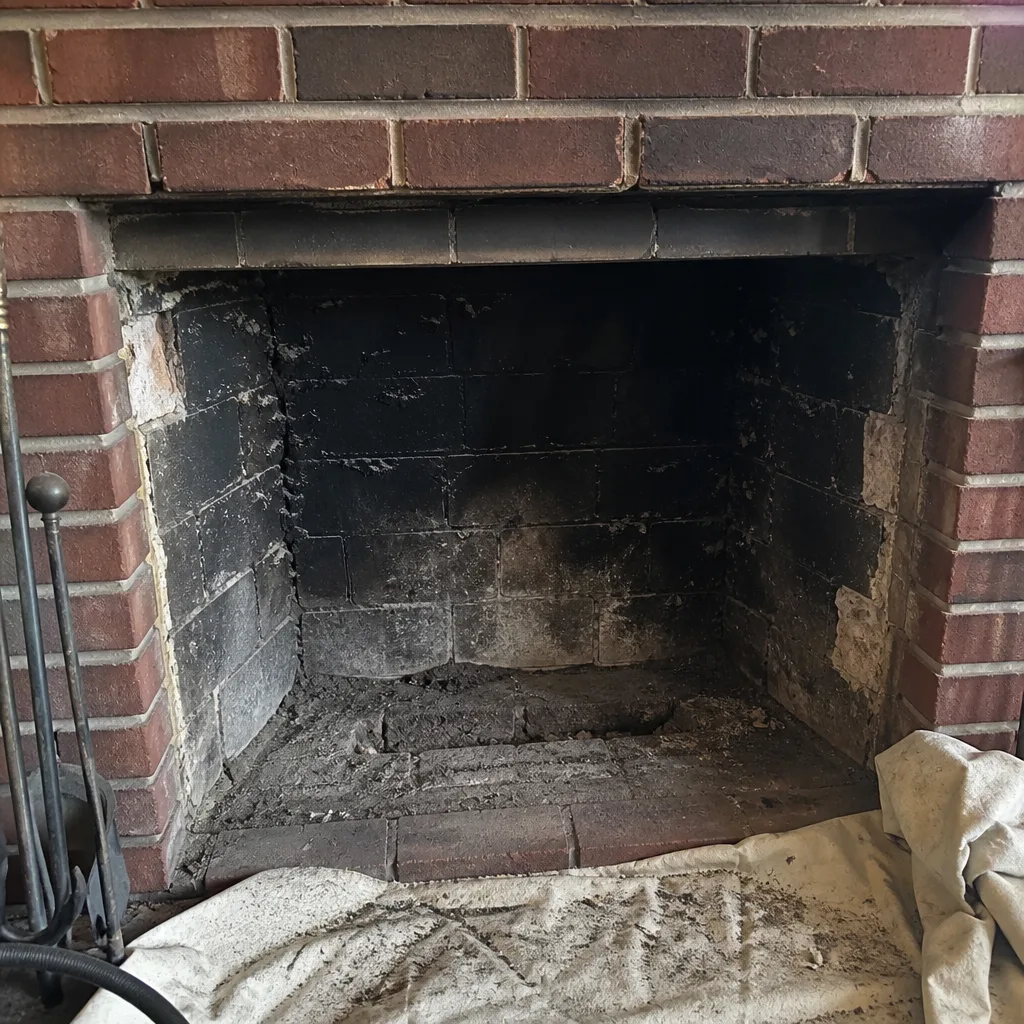 Before
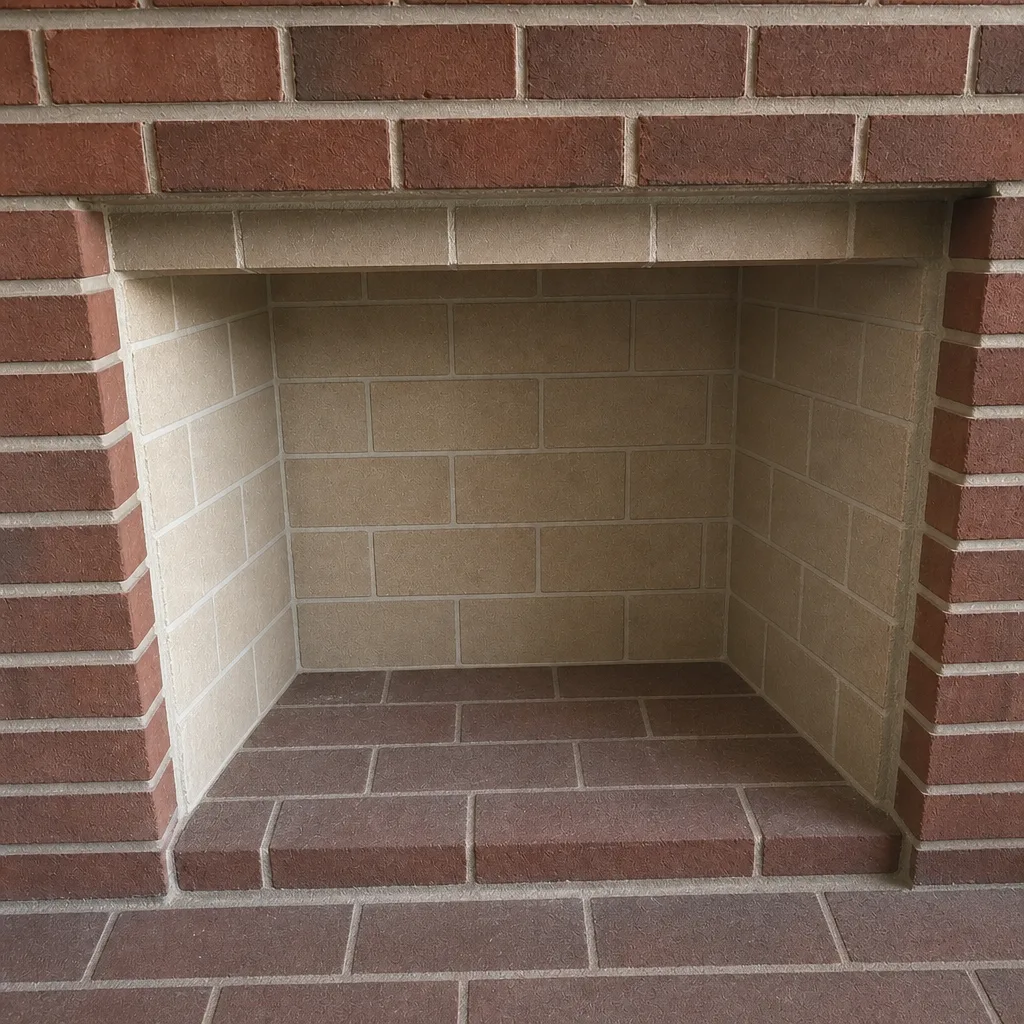 After
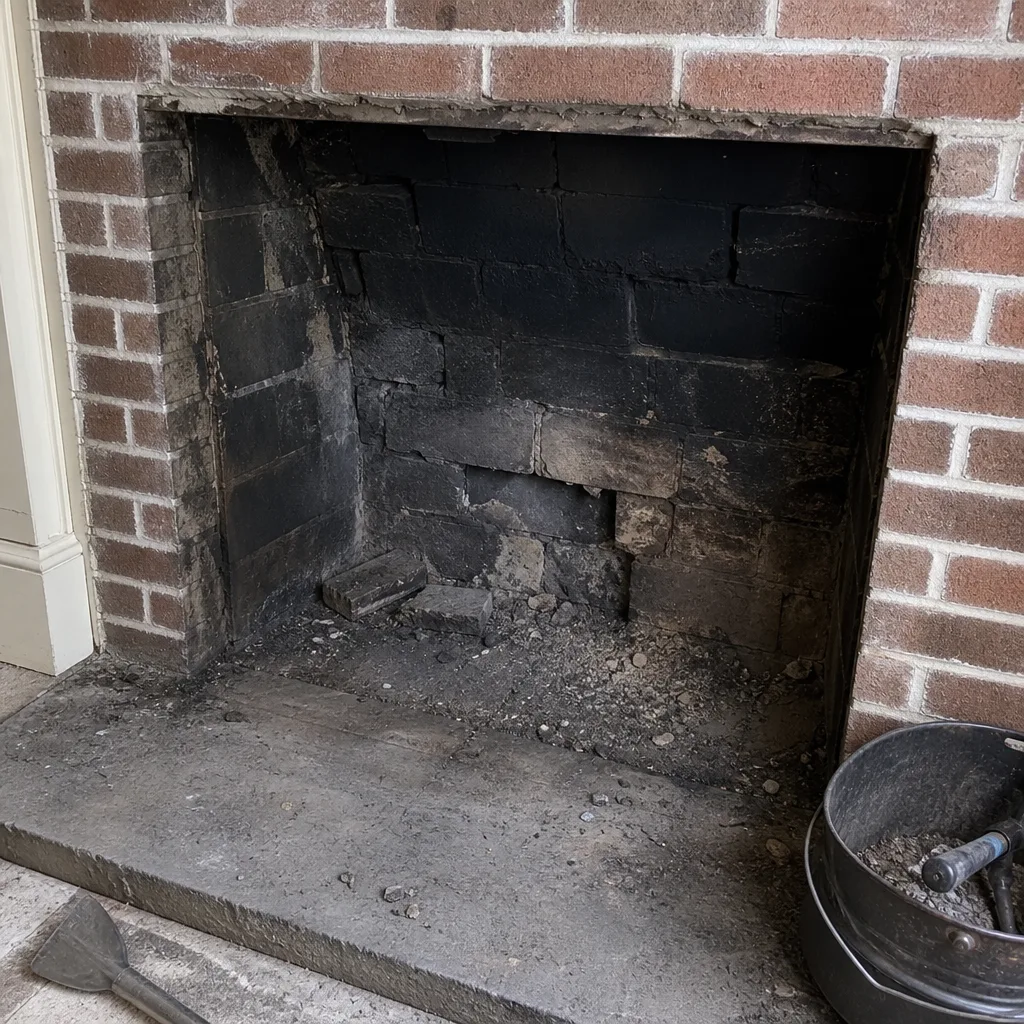 Before
 After
 Before
 After
When to Call a Professional
Some items on this checklist are yours to monitor, and some are a professional’s call. Here is when you stop looking and start calling:
- You see spalling firebrick, crumbling mortar joints in the firebox, or a warped damper.
- The flue shows glazed, shiny creosote rather than soft flaky deposits.
- Your cap is sagging, rusted through, or missing mesh. Ozone Park wildlife finds any gap.
- The crown has visible cracks or has pulled away from the flue tile, or you spot moisture staining inside the firebox or on the exterior brick.
- You’ve been burning heavily for a full season and haven’t had a sweep in more than a year.
Chimney Sweep Ozone Park offers free estimates in Ozone Park. Call (833) 508-9108. We answer 24/7. Fast dispatch from 7am to 7pm, Sunday through Friday. Nothing is recommended without what the inspection found, and if work can wait, we tell you so.
Frequently Asked Questions
Once a year if you burn regularly, and more often if you burn heavily or use unseasoned wood. The schedule should track your usage, not just the calendar. Call to book a sweep when your log shows a full season of regular burning with no service record.
No, not automatically, and that is exactly why we inspect before recommending anything. A camera inspection shows whether the liner has actual cracks or gaps. If it is sound, no liner work is needed; if it is deteriorated, options range from HeatShield resurfacing to full relining. Call (833) 508-9108 for a free estimate and an inspection that shows you the findings.
Creosote accumulates and becomes harder to remove, small crown and cap problems let water in, and the freeze-thaw cycle turns those into masonry repairs. The safety concern is real too: creosote is fuel, and a blocked flue can push carbon monoxide into the living space. Call for an inspection before the next burning season to find out what is actually happening in your flue.
You can safely inspect from the firebox and the yard, and you should, monthly. What you cannot safely do is get on the roof or look inside the flue beyond the throat. Those need trained technicians with the right equipment. Note anything you see and call to have it checked professionally if it looks off.
Sweeping removes deposits; an inspection assesses the whole system for damage. We offer inspections as a standalone service so the diagnosis can drive the decision, not the other way around. Call to book either one, and we’ll tell you which your situation actually needs.
Water streaks inside or chalky white staining at the smoke chamber usually point to moisture entering through the crown, flashing, or masonry above. That is a repair signal, not a housekeeping issue, because water in the chimney is what drives spalling and liner deterioration. Call (833) 508-9108 and we’ll trace the source before anything is scheduled.
The Bottom Line
The checklist that matters is the one you actually use, and this one works because it is built on condition and usage rather than dates. Check your firebox and the exterior monthly, log what you find, and track your cord count each season. Use the cap, crown, and creosote sections as the warning signs that tell you to call a specialist. The value of a trained professional here is not the brush; it is the diagnosis. If you’d rather hand the checklist to someone who looks at chimney systems every day, that is what we do. Call (833) 508-9108 for a free estimate, or book an inspection and let what’s there decide what comes next.
Written by the team at Chimney Sweep Ozone Park.