
Last updated November 25, 2026
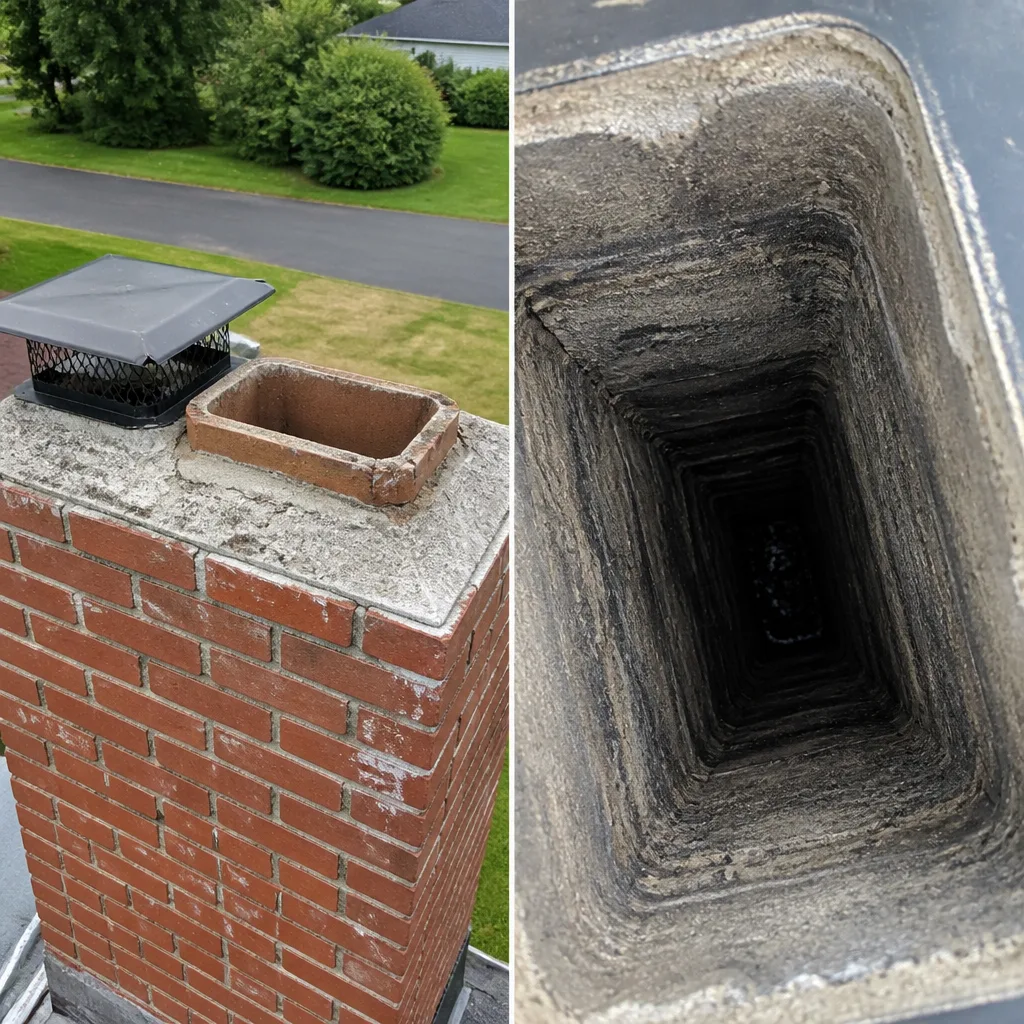 Sweep & inspection
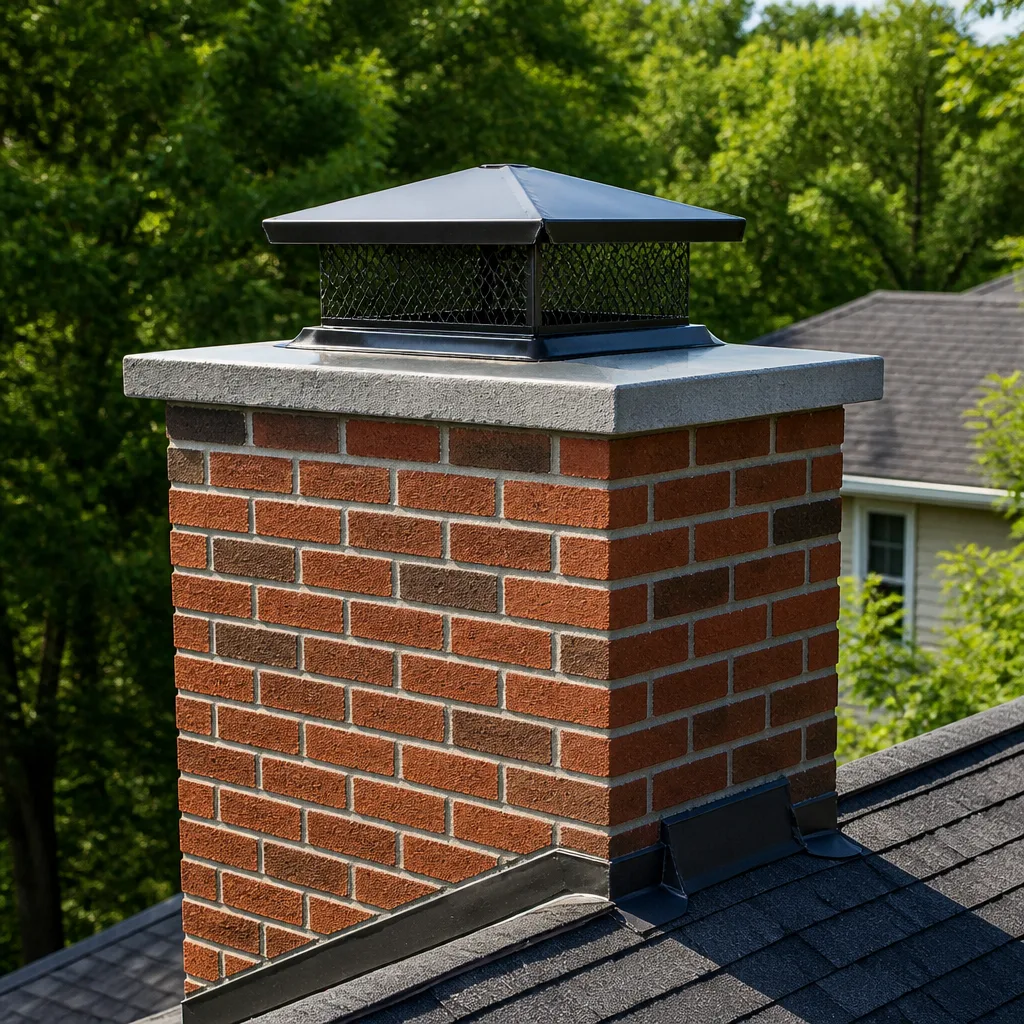 Caps & crowns
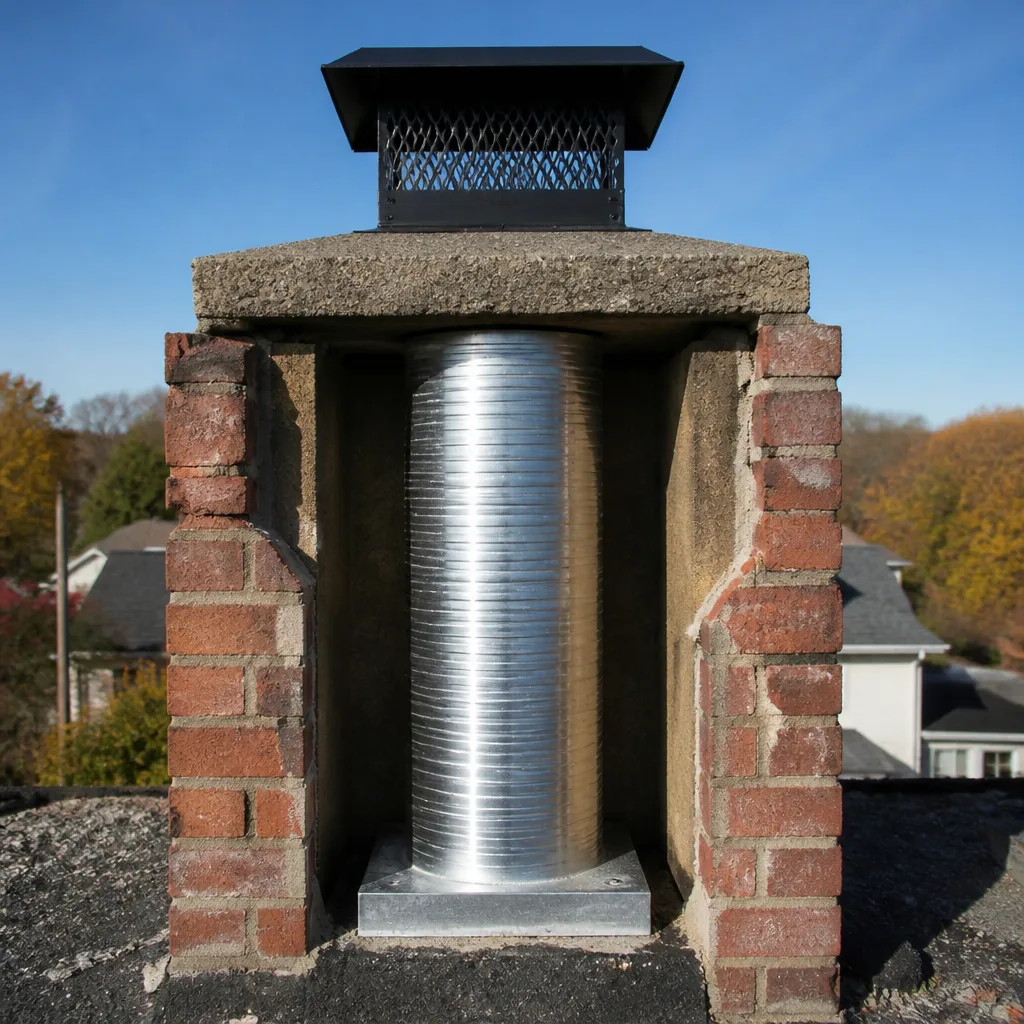 Flue relining
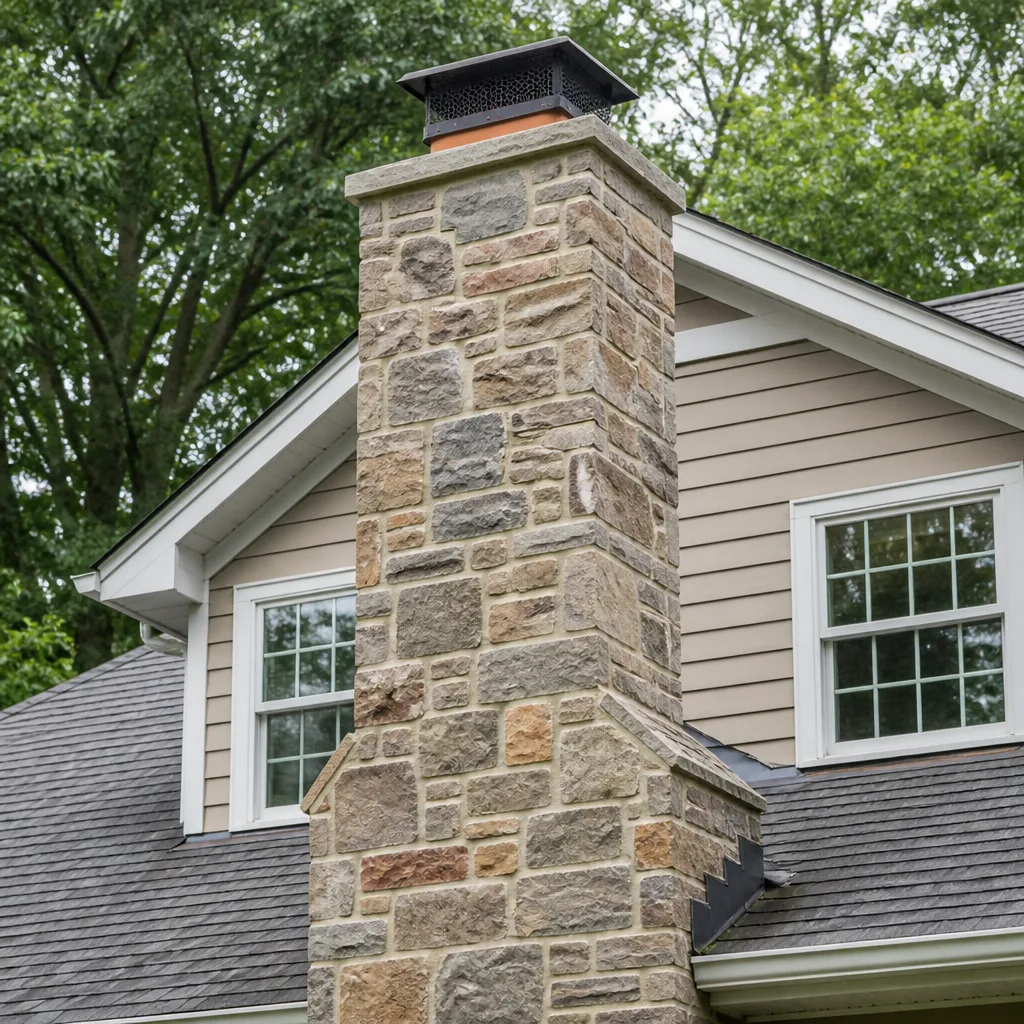 Masonry repair
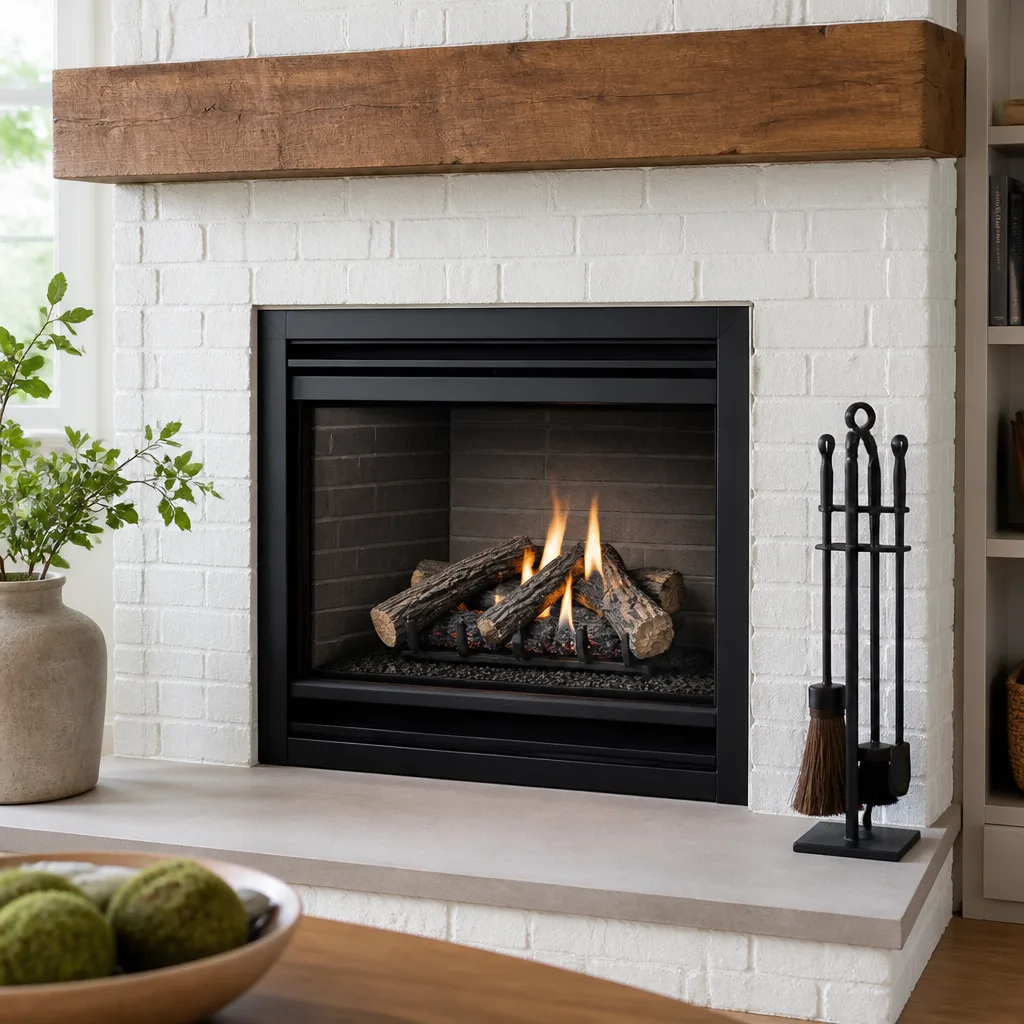 Gas fireplace service
Level 1 sweep and inspection to the NFPA 211 annual standard - flue, crown, cap, and flashing checked and photographed
Chimney sweep logs do not sweep chimneys. They loosen some creosote - which then falls where a brush and vacuum still have to collect it.
DIY vs Professional Chimney Cleaning: The Ozone Park Homeowner’s Decision Guide
You can sweep your own flue with a brush kit from a big-box store and genuinely remove the accessible creosote. You’ll still miss the glazed Stage 2 deposit fourteen feet up, the hairline crack at the tile offset, and the damper that stopped sealing two winters ago. That’s the real divide between DIY and professional cleaning in Ozone Park: not whether you can push a brush, but whether you can see the things that actually start chimney fires. This guide walks through exactly what a consumer kit reaches, what it can’t, when doing it yourself is genuinely fine, and how a professional sweep becomes part of your home’s maintenance record.
Quick Answer
DIY chimney cleaning is reasonable for a clean-burning gas insert or a system that was recently inspected and gets light use, since the main job there is keeping the flue clear of loose debris. For any wood-burning chimney in Ozone Park’s older two- and three-family housing stock, a professional sweep plus a camera inspection is the only way to confirm the liner is intact at the offsets and smoke chamber, where brush kits can’t see. The difference isn’t operator skill. It’s what’s visible.
Styles & brands we work with
- Sweep & inspection
- Caps & crowns
- Flue relining
- Masonry repair
- Gas fireplace service
Table of Contents
- What a DIY Brush Kit Actually Reaches (and What It Misses)
- Why You Can’t Confirm Liner Integrity Without a Camera
- Creosote Stages: Why Stage 2 Changes the Answer
- Ozone Park’s Housing Stock and What It Means for Your Flue
- Legal and Insurance Exposure After a DIY Sweep
- The Honest Case for DIY: When It’s Genuinely Reasonable
- What a Professional Sweep Provides Beyond Soot Removal
- What Sweeping and Inspections Cost in Ozone Park
What a DIY Brush Kit Actually Reaches (and What It Misses)
A consumer brush-and-rod kit does a real job on a straight, accessible flue. It scrapes loose soot and the softer Stage 1 creosote off the walls it can touch. On a simple straight run, that’s most of the flue.
Most Ozone Park chimneys aren’t a simple straight run. The neighborhood’s older two- and three-family homes often have flues with an offset, where the flue jogs sideways to clear a partition or a stair. That jog is exactly where brushes stop tracking cleanly. The rod bends, the brush loses contact on one wall, and the creosote behind the offset stays put.
Here’s what a typical kit can and cannot handle:
- Can reach: straight vertical flue sections, the lower firebox area, and loose soot on accessible walls.
- Can reach with effort: shallow offsets where the rod can still flex through.
- Cannot reliably reach: sharp or deep offsets, the smoke chamber shelf above the damper, and the crown of the flue at the top.
- Cannot see: cracked flue tiles, mortar joints that have eroded, gaps at the smoke chamber, and any liner damage hidden behind deposits.
- Cannot verify: whether the deposits above the brush were removed or just smeared.
A brush removes what it touches. It can’t tell you what it left behind.
Why You Can’t Confirm Liner Integrity Without a Camera
An inspection camera is the one piece of equipment that separates a useful sweep from a guess. A chimney camera runs on a flexible rod, feeds a live image to a monitor, and lets the technician see the flue from top to bottom. A homeowner’s flashlight and a mirror get you about as far as the damper shelf.
Camera equipment that shows the flue clearly at every height costs more than most homeowners will spend on a one-time project. That’s not a knock against DIY. It’s a description of the tooling. When we run an inspection, we’re not doing it because our eyes are better. We’re doing it because the camera can see a damaged tile joint at fourteen feet that nothing on the ground can. That same scan gives the homeowner a photo they can look at themselves.
For masonry flues in Ozone Park’s older homes, the failure points cluster in predictable places:
- The offset, where the flue bends and the tiles take stress.
- The smoke chamber, where the flue widens above the damper and deposits settle out of the airstream.
- The top few courses, where moisture and freeze-thaw cycles work on the crown and the tile above the roofline.
- The damper and its frame, where a worn gasket lets heat and smoke past.
A camera inspection covers all four in one pass. A brush kit covers none of them reliably.
Creosote Stages: Why Stage 2 Changes the Answer
Creosote builds in three recognizable stages, and the stage determines whether a DIY brush can fix the problem.
- Stage 1: soft, flaky, dusty soot. A brush removes it. This is the stage most DIY kits actually address, and on a well-run, hot-burning fireplace it’s often the only stage present.
- Stage 2: hardened, crusty, flaky deposits that have baked onto the flue wall. A consumer brush can knock some of it loose but often leaves the rest behind, and the residue is what catches next season.
- Stage 3: glazed, tar-like creosote that has essentially fused with the flue surface. No brush removes this. It takes rotary cleaning or, in severe cases, resurfacing.
Stage 2 and Stage 3 deposits form most easily when a fireplace burns cool, wet wood or runs with a restricted air supply. Cold-weather burning on an undersized flue is a common cause. In Ozone Park’s older two- and three-family homes, chimneys were often sized for a different appliance than the one now connected, and a size mismatch encourages cool, slow draft. That’s the condition that builds the harder creosote stages, and it’s the condition a brush kit is least able to fix.
If a camera scan shows a glazed Stage 3 deposit, or a Stage 2 crust that’s bonded to a masonry surface, the fix often involves resurfacing rather than scraping. HeatShield is the product we use most often for that, because it restores the flue surface without full demolition of the surrounding masonry. A DIY kit has no equivalent.
Ozone Park’s Housing Stock and What It Means for Your Flue
Ozone Park’s housing runs heavily toward detached and semi-attached two- and three-family homes built across a span of decades, with a lot of brick and a lot of original masonry chimneys. A working fireplace in these homes often predates the modern liner and cap standards that a professional sweep checks against.
The practical effects on a chimney in Ozone Park are consistent:
- Original masonry flues. Tile liners in older chimneys can have cracked joints that don’t show from the firebox. Camera inspection is the only way to find them.
- Offsets. Bends in the flue are common in the older layouts, and they’re the hardest spots for a brush kit to reach.
- Crown and cap wear. Our wet winters and freeze-thaw cycles pull moisture into the crown. A failed crown lets water into the masonry, which accelerates every other failure.
- Multi-unit properties. Two- and three-family homes often have more than one flue, and a homeowner who only sweeps the one in use can forget the second is connected to an unused fireplace and never swept.
The neighborhood’s housing pattern is not the problem. The age and the original masonry are. A camera inspection plus a check of the cap and crown covers what actually fails in an Ozone Park chimney. If a repair is needed, the same visit can hand off to chimney repair work without a separate appointment.
Legal and Insurance Exposure After a DIY Sweep
Here’s the part that rarely comes up in a DIY discussion: how an insurance adjuster handles a chimney fire after a homeowner’s own sweep.
If a chimney fire happens and an adjuster examines the flue, they look for documentation of maintenance. A sweep invoice from a professional, with a dated inspection photo, is that documentation. A homeowner’s own brush kit leaves no record at all. The adjuster can’t see what was done or when. Depending on the policy, the claim process can get harder to navigate, and in some cases a carrier may argue that a documented lack of maintenance or an undocumented DIY job contributed to the loss.
That’s not a warning about fire risk. It’s a fact about how a claim gets reviewed. Insurance policies are written individually, so the exact effect depends on your carrier and your policy’s language. It’s worth knowing that a homeowner’s own records can be thinner than a professional’s, and that a documented professional sweep is a stronger record.
The other side is legal exposure. If a chimney fire spreads and the insurer later questions whether the flue was ever cleaned, a dated professional inspection and sweep becomes your evidence. Insurance aside, the cost of a professional sweep is small next to a contested claim.
The Honest Case for DIY: When It’s Genuinely Reasonable
We’re a chimney specialist, so it would be easy to tell you that every chimney needs a professional sweep every year. It doesn’t. There are real situations where a homeowner handling the light cleaning is a sensible choice.
DIY is reasonable in these cases:
- A clean-burning gas fireplace with a sealed insert. A gas insert doesn’t produce creosote the way wood does. The flue needs periodic inspection, but the fire hazard from creosote buildup is far lower.
- A recently inspected wood-burning system with low usage. If a qualified inspection within the last season confirmed the liner is intact and the creosote level is low, light seasonal brushing is fine.
- Removing surface soot and ash from the firebox. This is housekeeping, not chimney work, and a homeowner can do it cleanly.
- Keeping a firewood stack clean and dry. Properly seasoned wood is a maintenance action, and it’s entirely within a homeowner’s control.
DIY gets problematic in Ozone Park when the chimney is original masonry, has an offset, shows hard creosote, or hasn’t been inspected in a season or more. In those cases, the brush kit is treating the visible soot while the exposed flue keeps failing underneath.
What a Professional Sweep Provides Beyond Soot Removal
A professional sweep does remove soot, but that’s the least interesting part of the visit. The larger value is what gets documented and what gets looked at.
A full system visit covers:
- Camera inspection. A live scan of the flue, plus photos the homeowner keeps.
- Creosote stage assessment. Stage 1 vs Stage 2 vs Stage 3 is a decision the homeowner can see on the camera image.
- Liner condition. Cracked tiles, joint gaps, and liner erosion are noted with photographic evidence.
- Cap and crown check. A failed crown, cracked cap, or missing screen is a repair item, and stopping water at the top protects the masonry below. That work falls under chimney cap & crown.
- Damper and firebox condition. A worn damper gasket, a warped firebox, and a damaged lintel are all part of the hearth system and all part of the report.
- Maintenance record. A dated report that becomes part of your home’s file and, if a claim ever comes up, the documentation.
Diagnostic integrity matters here. A chimney inspection tells you what’s actually happening before anyone picks up a tool, and we offer inspection as a standalone appointment so a homeowner can get the diagnosis without committing to any repair. Nothing is recommended that the camera footage doesn’t show. If the flue is sound and the draft is clean, we’ll say so and schedule the next sweep when the seasonality calls for it.
For systems that need relining, the work uses professional-grade product lines. A flexible lined flue is often a DuraFlex installation; a rigid install or cap assembly may call for Olympia Chimney parts. A masonry flue that needs resurfacing gets HeatShield. Routine sweeping and a full structural review can happen on the same visit. One specialist, one appointment, one report. That’s what we mean by working on the full system rather than just the flue. You can read more about the service on the Chimney Sweep Ozone Park page.
What Sweeping and Inspections Cost in Ozone Park
A typical chimney sweep in Ozone Park runs $125 to $275 depending on the flue count and how heavy the deposit is. A standalone camera inspection is generally $150 to $300. Combined sweep-and-inspection visits fall in the $225 to $475 range. These are typical ranges, not a quote. The written estimate after the visit sets the final price.
Line items you’ll see on an estimate:
- Routine chimney sweep, single flue: $125 to $225.
- Multi-flue sweep (two- or three-family homes): $200 to $350.
- Camera inspection, standalone: $150 to $300.
- Sweep plus full inspection: $225 to $475.
- Chimney cap installation: $200 to $400.
- Crown repair or replacement: $350 to $650.
- HeatShield liner resurfacing: estimated per job after the inspection.
The price for a DIY kit is far lower, often $60 to $150 for the brush, rods, and a shop vac attachment. That’s an honest comparison, and for the light-usage, gas-insert, recently inspected cases above, the DIY kit is the sensible choice. The comparison changes once the chimney is original masonry, has a visible offset, or shows hard creosote. The DIY kit costs less, but the camera scan is what catches the problem. Without the scan, the low price is doing less work than it appears.
If you want to know what your specific chimney needs, chimney sweep visits include the camera inspection and a photo report so you can see the footage yourself. Our technicians have up to 15 years of experience, and the estimate is free. Call (833) 508-9108.
Common Mistakes to Avoid
- Sweeping only the flue you use. In a two-family, the second flue often serves an unused fireplace and hasn’t been swept in years. It still has creosote in it, and it still has a top-of-flue condition worth seeing.
- Assuming a brush that fits is a brush that cleans. A kit sized for the firebox opening may not track the flue above the offset. The brush can look like it went the whole way when it didn’t.
- Burning wet or unseasoned wood out of convenience. Cool, wet wood builds Stage 2 and Stage 3 creosote faster than anything else a homeowner controls. Season your wood.
- Never looking at the crown. In Ozone Park’s freeze-thaw cycles, a hairline crack in the crown lets water into the masonry all winter. A quick look at the roofline is not a repair, but it tells you when to book one.
- Treating a DIY sweep as a substitute for a documented inspection. The sweep is one action; the report is the part that becomes evidence if an insurance claim ever happens.
- Assuming a gas or insert fireplace needs no service. Gas inserts don’t build creosote the way wood does, but they still need periodic inspection, and a blocked flue is a carbon monoxide risk.
- Calling a general handyman to look at the flue. A generalist can look at the firebox. A camera scan of the liner is a chimney specialist’s job.
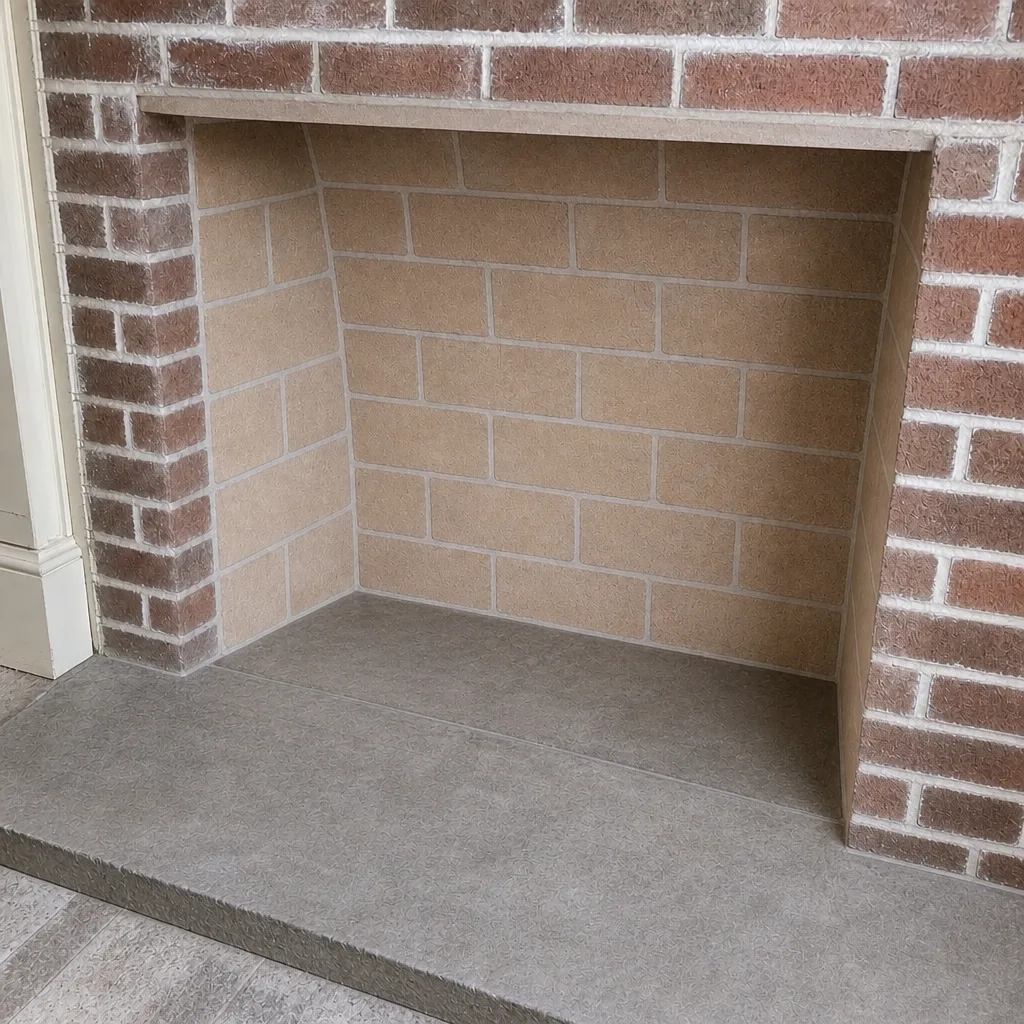
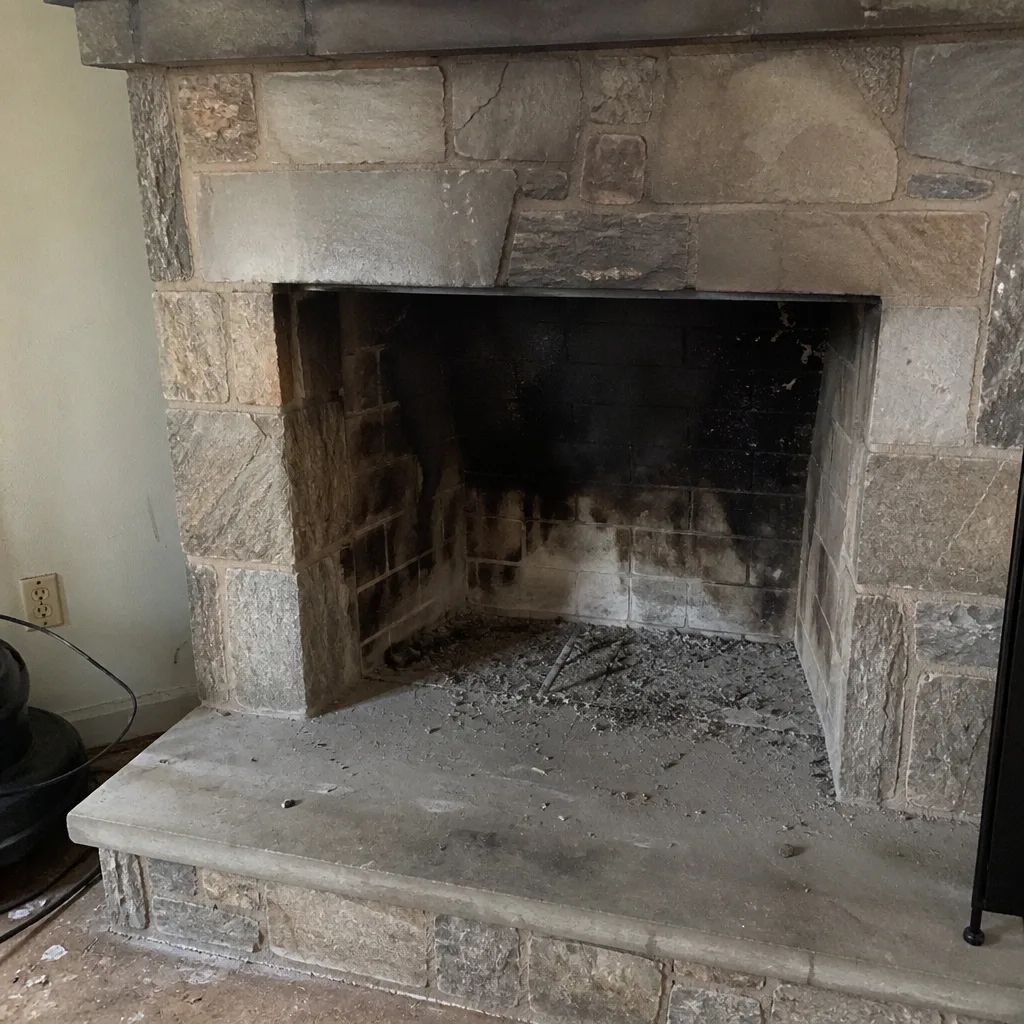
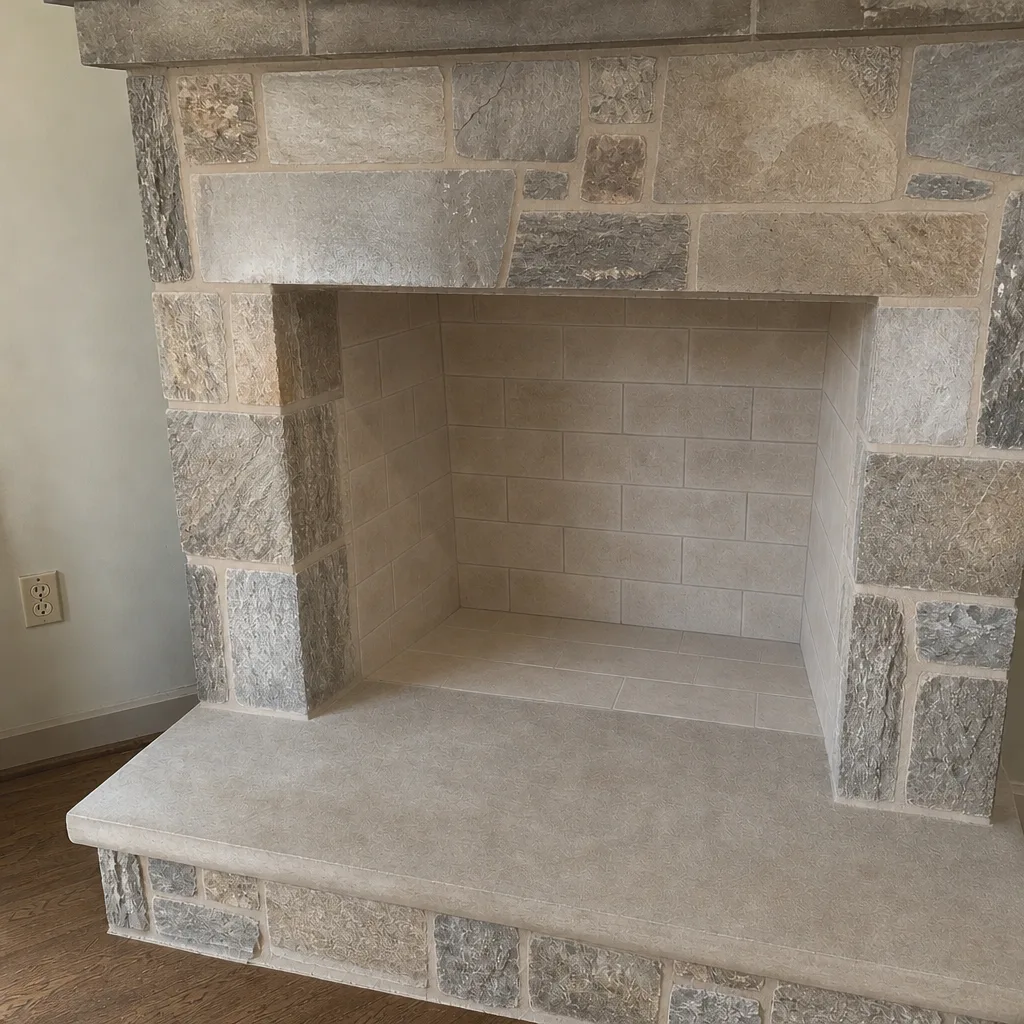
See the difference
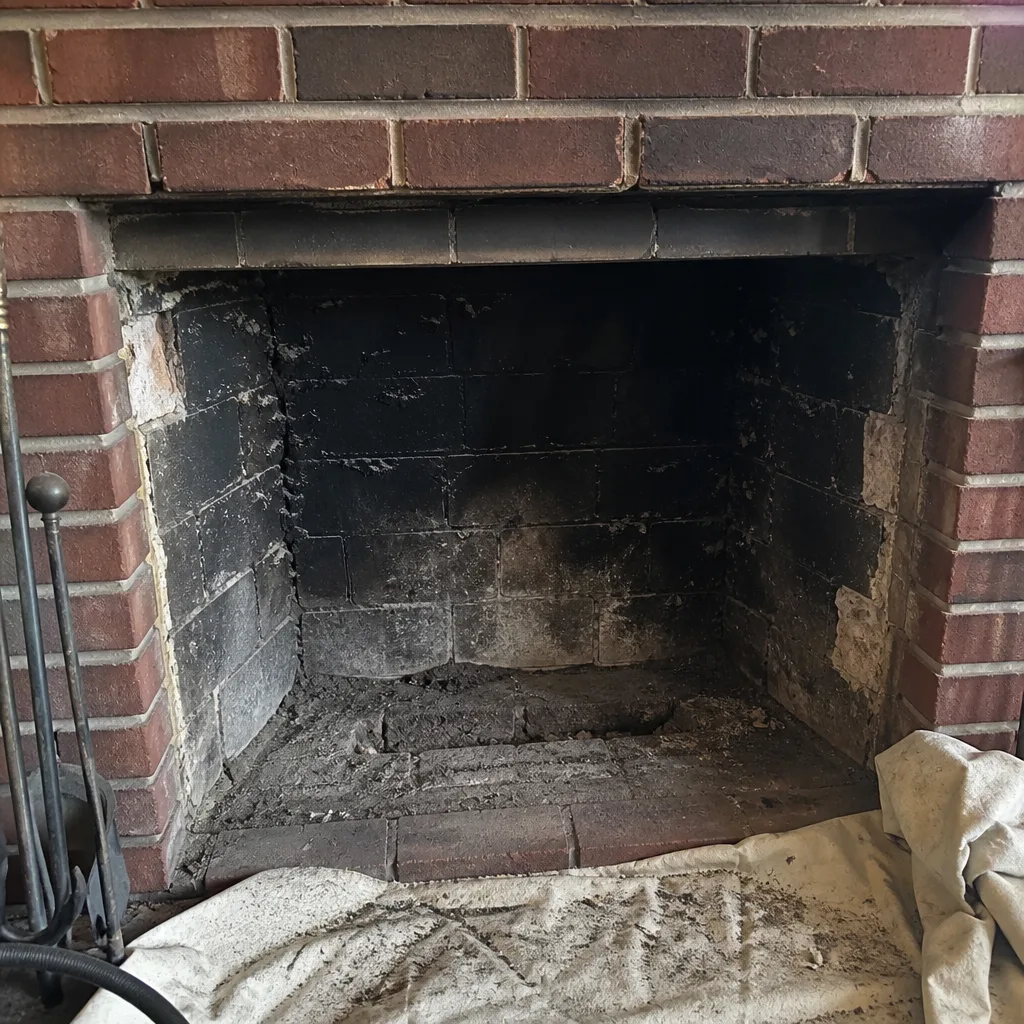 Before
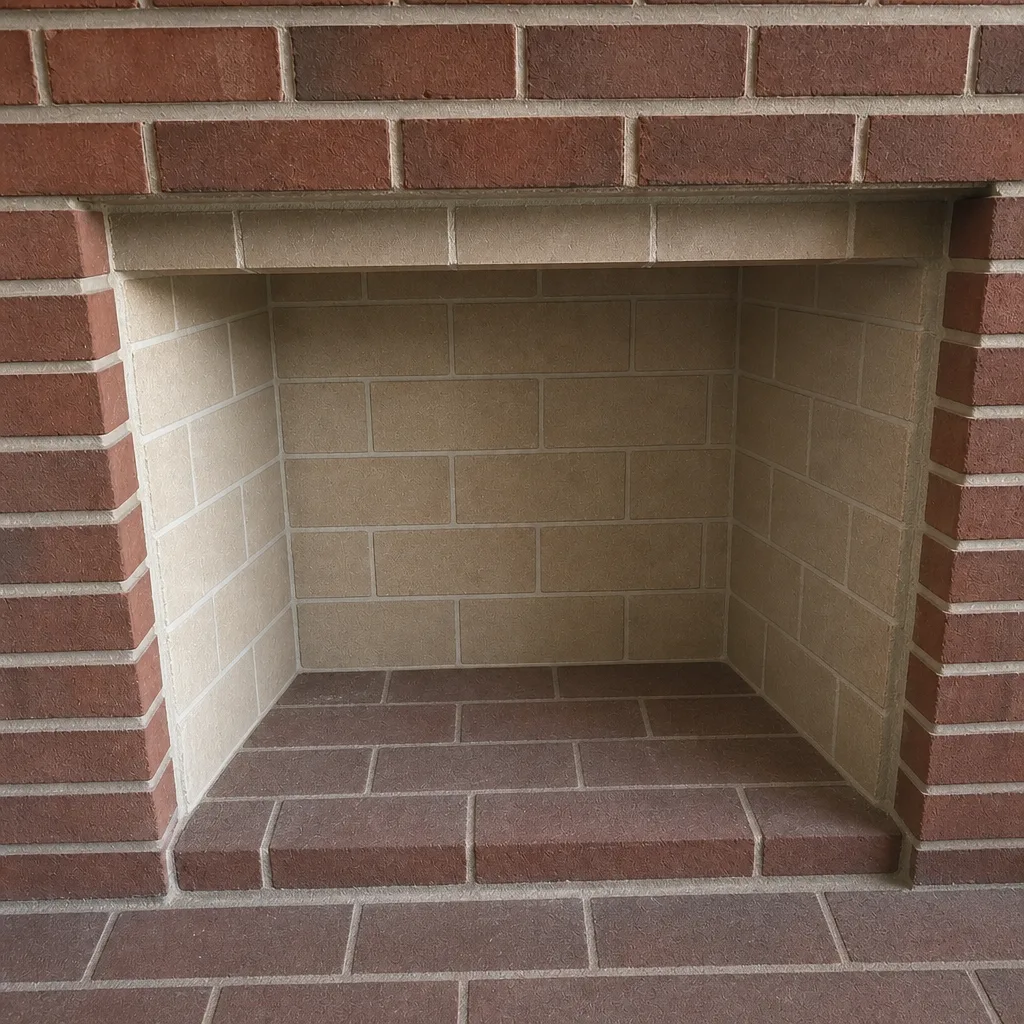 After
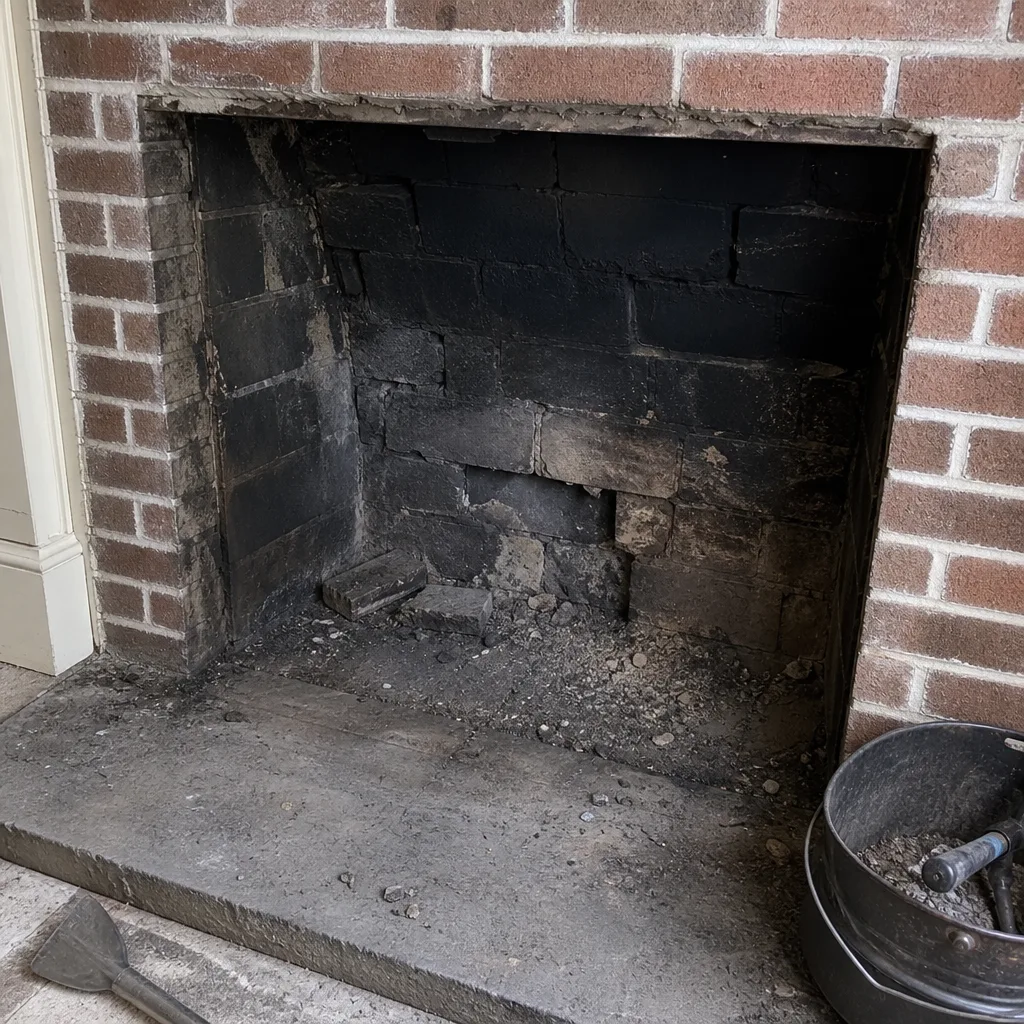 Before
 After
 Before
 After
When to Call a Professional
Call a professional sweep when your Ozone Park chimney falls into any of these situations. You have original masonry with an offset. You’ve used the fireplace through a full heating season without an inspection. You smell smoke in the house after lighting a fire. You see creosote glaze on the flue walls. You notice a cracked crown or a failed cap at the roofline. You’re in a two-family and haven’t checked the second flue. Or you’re buying a home in Ozone Park and want a documented inspection as part of the process. Chimney Sweep Ozone Park offers free estimates in Ozone Park. Call (833) 508-9108. We answer 24/7. Fast dispatch from 7am to 7pm, Sunday through Friday. The visit is booked, and the estimate is free.
Frequently Asked Questions
A typical chimney sweep in Ozone Park runs $125 to $275 for a single flue, and a sweep plus inspection combined typically runs $225 to $475. The written estimate after the visit sets the final price. Call (833) 508-9108 for an exact quote, or book a free estimate.
Only if the camera shows a liner that can’t hold a seal. Many Ozone Park chimneys that look fine from the firebox have a cracked tile or eroded joint the camera finds. If the scan shows a sound liner, no reline is needed. Nothing is recommended without footage you can see. Call (833) 508-9108 to schedule an inspection.
Most wood-burning chimneys want a sweep once a year, checked against the creosote stage. Heavy users, or anyone burning cool or wet wood, often need it sooner. A gas insert with light use has different timing. A camera inspection sets the right interval for your flue. Call (833) 508-9108 for a free estimate.
Yes, in specific cases. A gas fireplace, a recently inspected wood-burning system with light use, and routine firebox cleanup are all fair DIY territory. A brush kit does real work on a straight flue. It can’t reach an offset or the smoke chamber reliably, and it can’t see a cracked tile. Call (833) 508-9108 if you’re not sure which case you’re in.
Creosote builds in stages, and the harder stages catch fire more easily than the softer ones. A skipped sweep also leaves a cracked crown or a failed liner unexamined, both of which can cause problems in the masonry. It’s a maintenance problem, not a crisis, but it compounds. Call (833) 508-9108 for a free estimate.
Generally yes, for the sweep itself. Gas inserts don’t produce creosote the way wood does. The flue still needs periodic inspection, because a blocked vent is a carbon monoxide risk. A gas insert with a sealed vent and clean combustion is the clearest case for DIY on this list. Call (833) 508-9108 for a free estimate.
Possibly, if a claim is ever filed. Insurers look for documented maintenance when a chimney fire happens, and a professional sweep report is a stronger record than a homeowner’s own brush kit. Policy language varies, so ask your carrier. Call (833) 508-9108 if you want a documented inspection.
The Bottom Line
The DIY vs professional question in Ozone Park isn’t about whether you can handle a brush. It’s about what a brush and a flashlight can’t see. A consumer kit will clean the lower flue, but it can’t confirm a tile is intact at the offset, can’t tell you whether the creosote was Stage 1 or Stage 3, and can’t leave a documented record if an insurance claim ever comes up. For a clean-burning gas insert or a recently inspected, lightly used system, doing it yourself is reasonable. For original masonry, offsets, and hard creosote, an inspection-first approach is the one that actually tells you what’s happening. We work on the full system, from the firebox to the crown, and we don’t recommend work the camera can’t show you.
chimney sweep visits from Chimney Sweep Ozone Park include the camera inspection and a photo report you keep. Our technicians have up to 15 years of experience, and the estimate is free. Call (833) 508-9108. We answer 24/7. Fast dispatch from 7am to 7pm, Sunday through Friday.
Written by the team at Chimney Sweep Ozone Park.