
Last updated November 25, 2026
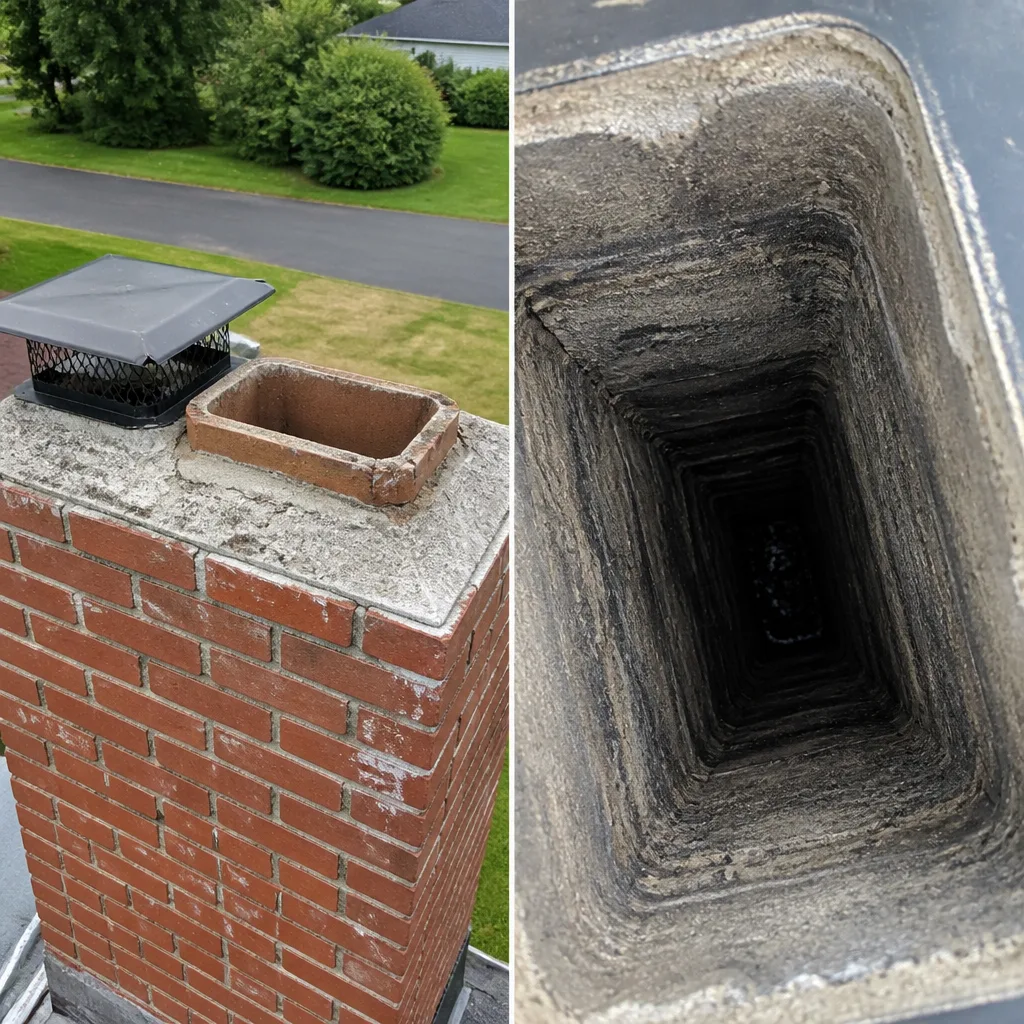 Sweep & inspection
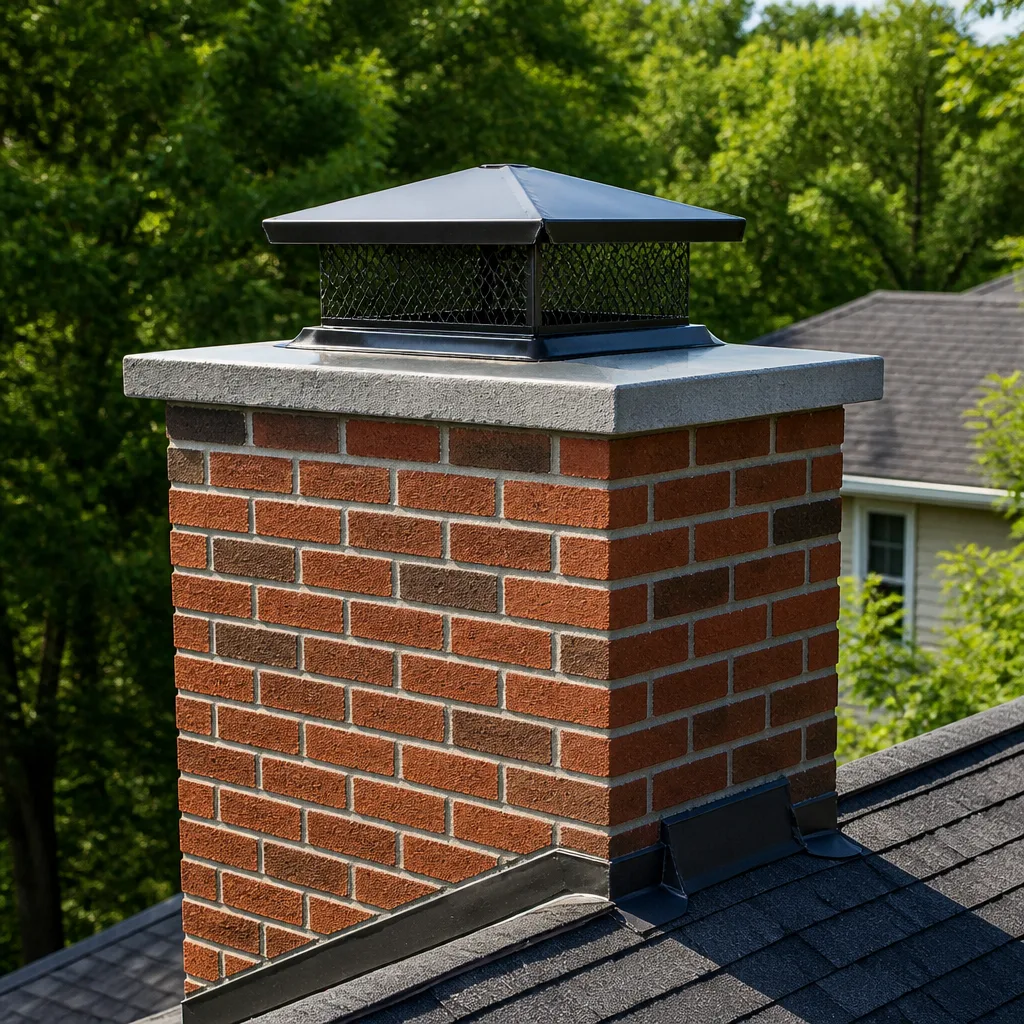 Caps & crowns
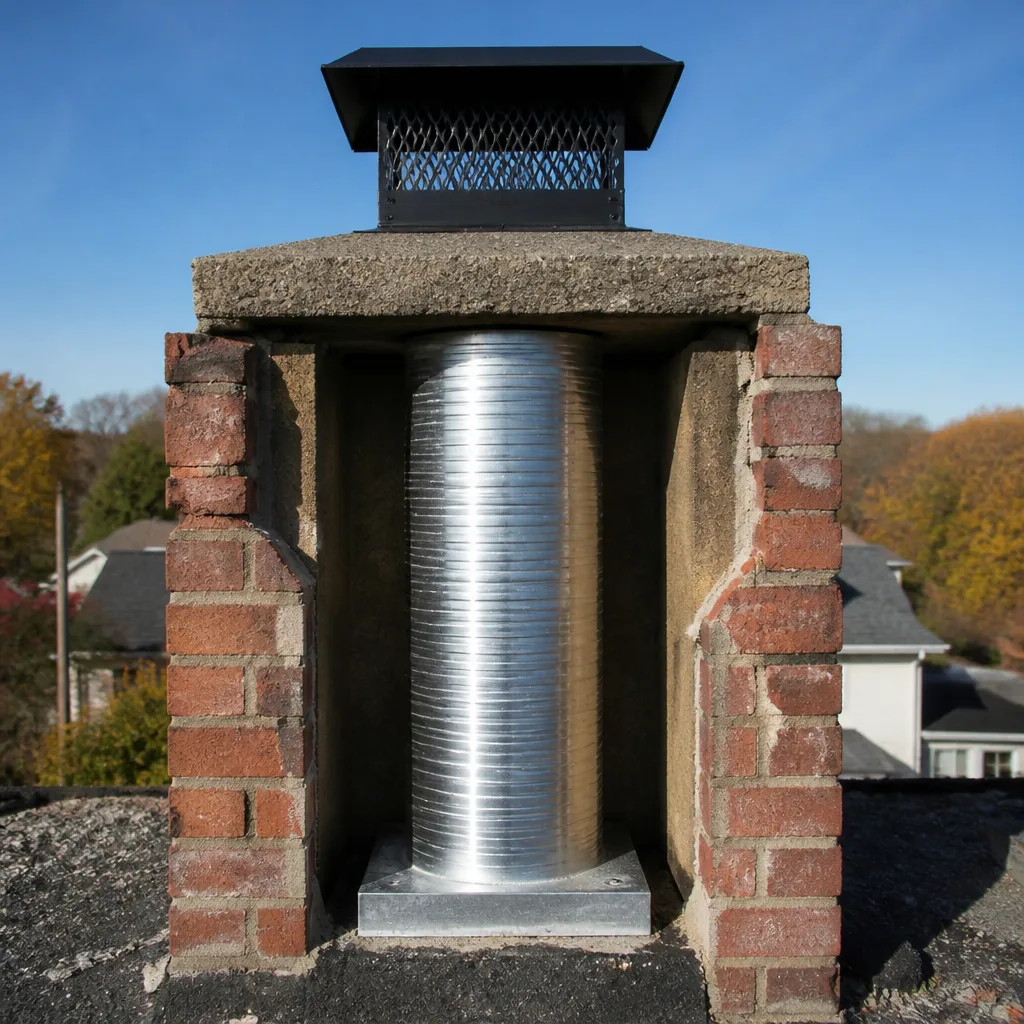 Flue relining
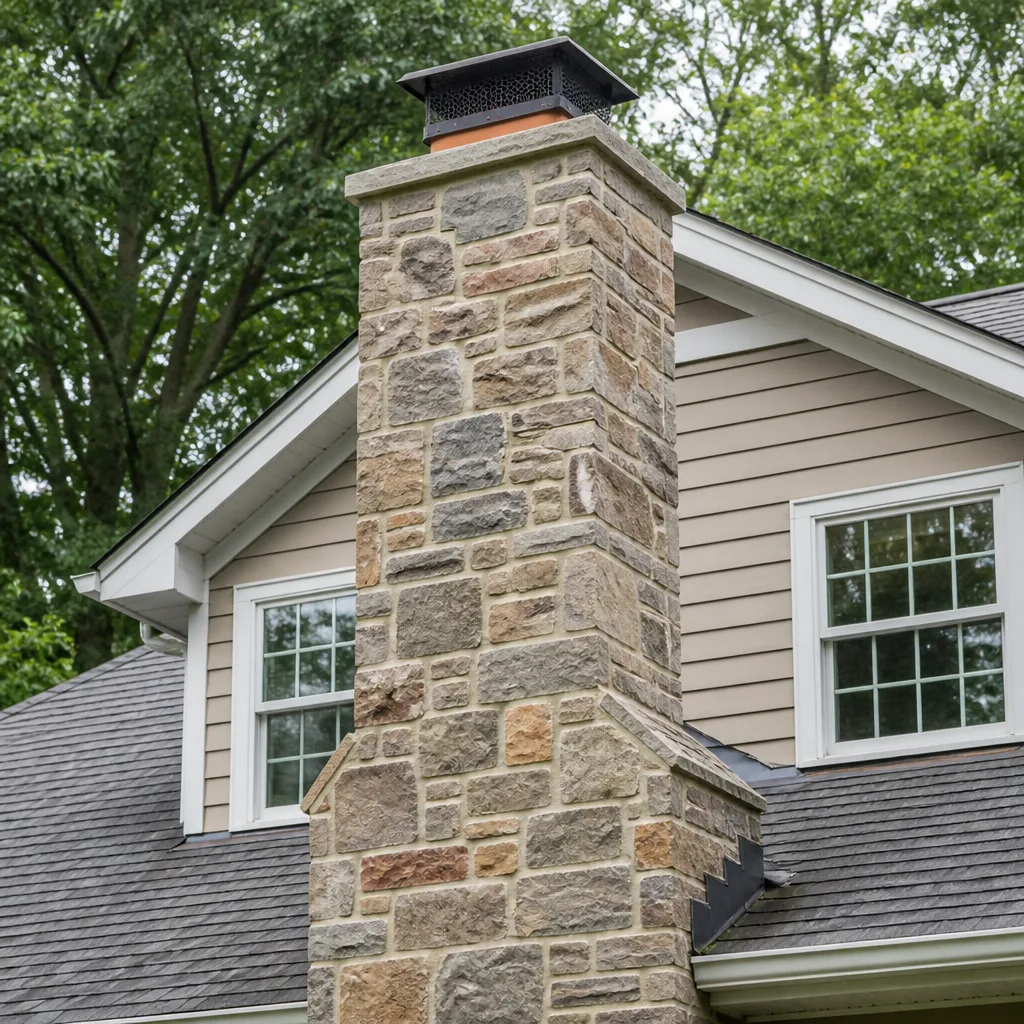 Masonry repair
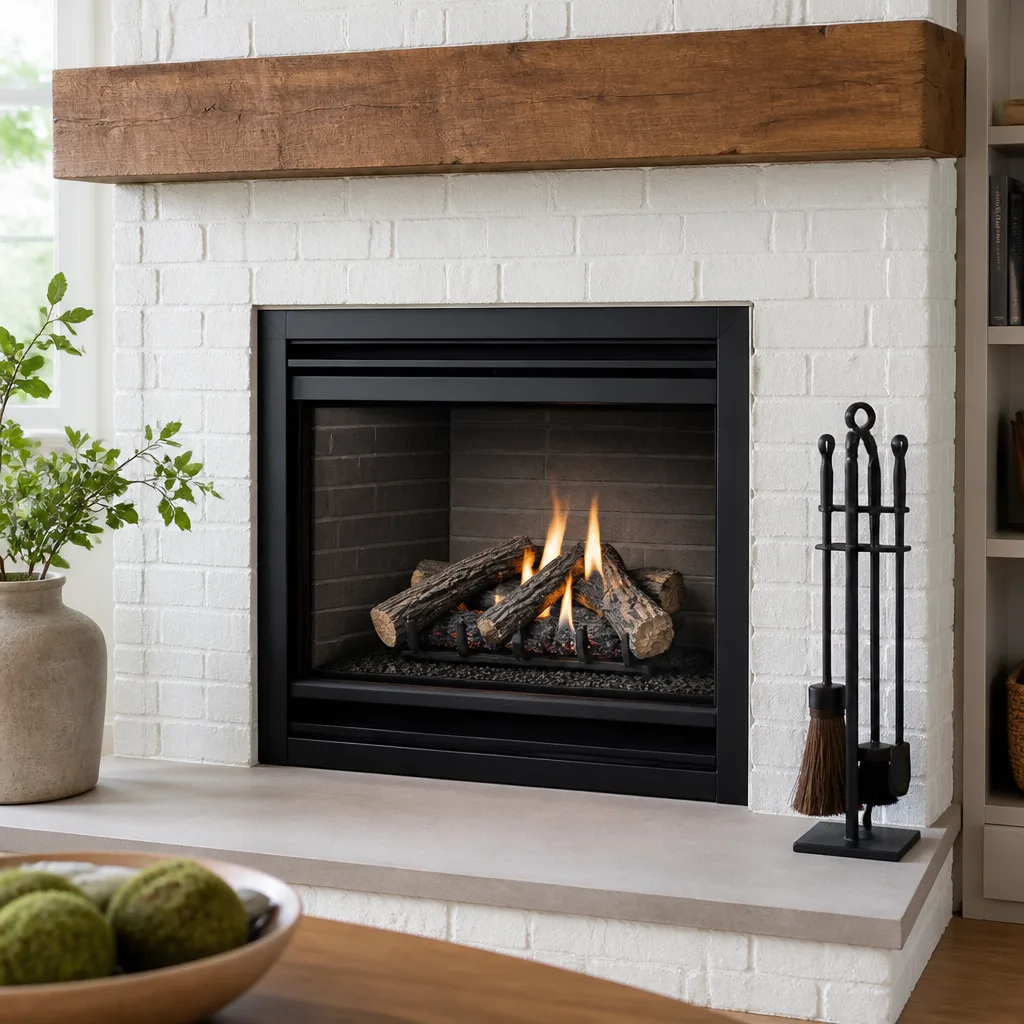 Gas fireplace service
Level 1 sweep and inspection to the NFPA 211 annual standard - flue, crown, cap, and flashing checked and photographed
Chimney sweep logs do not sweep chimneys. They loosen some creosote - which then falls where a brush and vacuum still have to collect it.
The Complete Guide to Chimney Cleaning in Ozone Park
Most chimney fires don’t start because a homeowner skipped a cleaning. They start because the cleaning happened, the soot came out, and the hairline crack in the flue liner that nobody mentioned stayed right where it was for two more seasons. Cleaning and inspection aren’t the same job, and in a neighborhood where a lot of homes share a chimney wall with the unit next door, the gap between the two matters more than it does almost anywhere else in Queens. This guide walks through the whole system, from creosote stages to liner repair, so you know what you’re actually looking at before anyone quotes you work.
Quick Answer
Chimney cleaning in Ozone Park means removing creosote and soot from the flue, then checking the liner, cap, crown, and firebox for the damage that build-up hides. Most wood-burning chimneys here need sweeping once a year, and any chimney over a few decades old deserves a Level 2 camera inspection before you trust it for another heating season. A cleaning alone never tells you whether the flue is intact; the inspection does that.
Styles & brands we work with
- Sweep & inspection
- Caps & crowns
- Flue relining
- Masonry repair
- Gas fireplace service
Table of Contents
- Why Ozone Park’s Shared Chimney Walls Change the Stakes
- Level 1, Level 2, Level 3: Which Inspection You Actually Need
- The Three Creosote Stages and What Each One Costs You
- How the Climate Ages Masonry Chimneys in Coastal Queens
- What Changes When There’s a Gas Insert in the Firebox
- What Happens During a Typical Cleaning Visit
- Draft, Smoke Backup, and the Parts of the System That Cause It
- What Chimney Cleaning Costs in Ozone Park
Why Ozone Park’s Shared Chimney Walls Change the Stakes
A large share of the housing in Ozone Park is attached row housing and two-family homes built close together, and many of those buildings run their chimneys up through a shared or party wall. That single fact changes how you should think about maintenance. A flue on one side of the wall that’s been left alone doesn’t fail in isolation. Heat, moisture, and creosote ignite on one side, and the masonry between units is what separates your living room from your neighbor’s.
In practice, this means a few things for owners in Ozone Park:
- Your flue is partly a building envelope. Cracks in the terra cotta liner let moisture into the masonry mass, and that moisture migrates sideways through the shared wall to rooms that never had a fire in their fireplace.
- Neighbors’ work is your concern. When a flue is capped or lined poorly on an adjoining stack, the draft on your side can change. Smoke that used to go up can start pulling back into the room.
- Crown and cap failures affect both sides. A cracked crown lets water run down the inside of the flue, and on an attached chimney it can reach the unit next door.
We’ve seen how quickly this plays out in compact blocks off Liberty Avenue and along 101st and 103rd Avenues, where homes sit shoulder to shoulder. The practical takeaway is that a thorough Chimney Sweep Ozone Park visit doesn’t just look at your firebox; it looks at the whole stack, including the parts that sit against a neighboring property. If you share a chimney wall, ask for a camera view of the flue before approving any repair. It’s the only way to know what the masonry is doing on both sides.
Level 1, Level 2, and Level 3: Which Inspection You Actually Need
The National Fire Protection Association sets out three inspection levels in its standard for chimneys, fireplaces, vents, and solid fuel appliances, known as NFPA 211. The levels aren’t a sales ladder; they describe how much of the system gets looked at and what tools are needed. Knowing the difference keeps you from paying for a Level 3 when a Level 2 will do, and it keeps you from accepting a Level 1 when a camera inspection is what your situation calls for.
Level 1 Inspection
This is the basic visual check that comes with a routine cleaning. The technician looks at the readily accessible parts of the chimney and appliance: the firebox, the damper, the visible portion of the flue, the cap and crown from the roof, and the firebox connection. It’s appropriate when nothing has changed: same appliance, same fuel, no known problems, and the system has been serviced on schedule. A Level 1 doesn’t include a camera run of the flue.
Level 2 Inspection
A Level 2 is the inspection for anything new or uncertain. It’s the one you want after buying a home in Ozone Park, before switching fuels, after a chimney fire, after a storm that moved masonry, or when the appliance has changed. It includes everything in a Level 1 plus a video scan of the interior of the flue. The camera shows the liner, the connections, and any offset or joint that can’t be seen from the top or bottom. When we recommend a repair on a purchased home, it’s a Level 2 that produced the evidence.
Level 3 Inspection
This is the invasive one. A Level 3 is only warranted when a Level 1 or Level 2 has identified a hidden problem serious enough to justify opening up concealed parts of the structure, such as removing sections of a wall to reach an area that can’t be examined any other way. It’s rare, and it shouldn’t be recommended as a first step. If someone suggests a Level 3 before a Level 2 camera inspection has been done, ask why.
For most Ozone Park homeowners, the rhythm is simple: a Level 1 with each annual cleaning, and a Level 2 whenever something changes or whenever the home is new to you. A standalone inspection is worth having even if no repair is planned, because it’s the diagnostic step that comes before anyone touches the chimney.
The Three Creosote Stages and What Each One Means for Cleaning
Creosote is the tar-like residue that condenses out of wood smoke as it cools on the way up the flue. It builds in predictable stages, and the stage determines the cleaning method and the time it takes. Knowing them helps you understand why one chimney sweeps quickly and another needs hours and chemical treatment.
| Stage | What it looks like | How it’s cleaned |
|---|---|---|
| Stage 1 | Flaky, soot-like dust that brushes off easily | Standard sweeping |
| Stage 2 | Dry, brittle, crusty deposits that don’t fully brush away | Sweeping plus mechanical agitation or chemical treatment |
| Stage 3 | Glazed, hardened, fuel-like layer that can be very hard to remove | Chemical treatment to loosen it, then mechanical cleaning; sometimes liner replacement if damage is underneath |
Each stage takes longer and costs more to clear, and the jump from Stage 2 to Stage 3 is where a routine sweep turns into a longer job. Glazed third-stage creosote is the one that catches fire most readily, and it can sit under a smooth surface that looks fine until the camera gets close to it. The cleaning method has to match the stage; a normal brush won’t fully remove glazed deposits, and working aggressively at them can damage a fragile terra cotta liner inside an older Ozone Park home. When the liner itself is already cracked, the right move is not more scrubbing, it’s a proper repair – often with a chimney repair plan that addresses the flue structure before re-sweeping.
How the Climate Ages Masonry Chimneys in Coastal Queens
Ozone Park sits close enough to the Atlantic that the air carries more moisture and salt than it does twenty miles inland, and winter brings a freeze-thaw cycle that works on the masonry from the outside in. Masonry chimneys in this part of Queens age faster than their inland and upstate counterparts for a few related reasons:
- Water gets in and refreezes. Rain driving against the stack soaks into brick and mortar joints, then freezes and expands overnight, and cracks widen with each cycle.
- Terra cotta liners crack. In homes of this era, kiln-fired clay tiles were standard. They’re brittle, and decades of thermal cycling plus moisture damage will crack or spall them. A cracked tile is a crack in the thing that’s supposed to contain fire.
- Mortar joints erode. Salt-laden moisture attacks the lime and cement in mortar, and joint faces start to crumble and wash out, leaving bricks sitting looser.
- Crowns crack. The crown is the concrete or mortar cap around the base of the flue at the top of the stack. Hairline cracks let water in at the worst spot, right where the flue sits.
- Exterior stains tell a story. Rust streaks, white salt bloom, or dark spalling patches on the exterior of an Ozone Park chimney usually mean water is getting in somewhere above and traveling.
On the exterior, the things worth watching are the crown, the brick joints, and the top few courses of brick where the stack meets the cap. If the crown is cracked or crumbling, capping and rebuilding it is a small job that prevents a large one. A proper chimney cap & crown installation is one of the highest-value maintenance steps for a coastal Queens home, because it protects the single most vulnerable point on the whole stack.
What Changes When There’s a Gas Insert in the Firebox
Gas inserts don’t produce creosote in the same way wood fires do, but that doesn’t mean the chimney needs no attention. The flue is still a venting path, and it can still carry byproducts of combustion up and out. What changes is what you’re looking for and how often you look.
- No wood creosote, but different residue. Gas combustion can leave deposits and moisture in the flue, and in some setups condensation on the liner is the bigger concern than soot.
- The venting path still matters. A gas insert installed in what was a wood fireplace may draft differently. If the venting wasn’t sized correctly when it went in, the appliance can sputter or the firebox can carry exhaust back into the room.
- Annual inspection is still the rule. The National Fire Protection Association recommends that all chimneys be inspected annually, gas or wood, and there’s a sound reason: you can’t see the inside of a flue from the hearth.
- Wood may return. If you or a future owner ever go back to a wood-burning appliance in that firebox, a cleaning and inspection beforehand is the only way to know what you’re starting with.
The cleaning equation for a gas insert is less about removing fuel deposits and more about confirming the venting is sound and the liner hasn’t been compromised by years of moisture. That’s a good reason to get a camera inspection done if you’ve never had one in the home – and especially if you’ve recently moved in.
What Happens During a Typical Cleaning Visit
A proper chimney sweep in Ozone Park follows a sequence, and knowing it helps you tell a real cleaning from a brief glance with a brush.
- Set up for containment. Drop cloths and a vacuum with a HEPA filter go down around the hearth so soot doesn’t end up on carpets and furniture. Doors and windows may be opened for airflow.
- Inspect before cleaning. The technician checks the firebox, damper, and visible flue for anything that needs attention before sweeping – loose brick, a damaged damper, obvious cracks.
- Sweep the flue. Specialized brushes and rods, sized for the flue, work down from the roof or up from the hearth depending on the setup. The debris is captured, not spread.
- Clean the firebox and damper. Soot and residue are removed, and the damper is checked for proper operation.
- Run a camera on the flue (when the level calls for it). A video scan documents the liner condition from top to bottom.
- Check the exterior. Cap, crown, and accessible brick are examined from the roof, and any damage is photographed.
- Review the findings. We go over what we found and what – if anything – needs to happen next, and you get the written estimate before any repair is booked.
Where the down-draft and airflow are strong, the visit can feel quick. Where the flue is glazed or the liner is rough, it can take much longer. The inspection tied to the cleaning is what turns the visit from a housekeeping task into a real safety check.
Draft, Smoke Backup, and the Parts of the System That Cause It
A chimney is a system that has to pull air up and out. When it fails, you notice it as smoke puffing into the room when you light a fire, or a smell that lingers after the fire is out. There are a few likely culprits, and diagnosing which one it is requires looking at more than the flue.
- A blocked or partially blocked flue. Soot, a broken tile, or an animal nest can reduce the opening, and the smoke has nowhere to go but back into the room.
- A cap that restricts airflow. A cap with too much mesh or a poorly sized screen can choke the draft. It’s one of the most common causes we see in town, and it’s fixable.
- A cold flue. A chimney that hasn’t been used in months starts cold, and cold air is heavy. A quick warm-up with paper or a small kindling fire primes the draft.
- A house that’s too tight. Modern windows and doors make a home airtight, so an older chimney that needs a little air can’t get it. A nearby window cracked slightly can help.
- A damaged liner. A crack in the liner can change draft patterns and let creosote or smoke escape into places it shouldn’t. The camera inspection is the only way to confirm a crack you can’t see.
Draft problems are often solved at the cap or the firebox rather than by a big repair. Getting the diagnosis right is the whole point of inspecting the full system – flue, liner, cap, crown, and firebox, in that order.
What Chimney Cleaning Costs in Ozone Park
Cleaning a chimney is priced per job, and the final number is set by the written estimate before we book the work. What you pay depends on the size of the flue, how much creosote has built up, and whether an inspection is included or separate. A few factors move the range:
- Level of build-up. A light Stage 1 sweep takes less time than a glazed Stage 3 flue that needs chemical treatment.
- Whether an inspection is bundled with the cleaning. A camera inspection is a separate diagnostic step, and it’s the one that tells you whether the liner is intact.
- Access and roofline. A steep roof or a tall stack may add time to the job.
- Repairs needed. A crack in the crown or a damaged cap is a separate line item from the cleaning.
We don’t quote a single blanket price for Ozone Park, because the houses here vary too much: a two-family with a shared flue is a different job from a single-family with a straight terra cotta liner. What we do commit to is transparency – what we find goes into the estimate with the camera footage to match, and you approve the price before anyone picks up a tool. If you want an actual number for your home, the estimate is free.
Common Mistakes to Avoid
- Treating a cleaning as an inspection. A brush and a vacuum remove soot, but they don’t tell you whether the liner is cracked. Insist on a camera inspection with any service that matters.
- Ignoring a neighbor’s chimney. In attached row homes, a flue that shares a wall with yours is part of your risk. If a neighbor is having work done, it’s worth asking whether their flue condition affects your side.
- Assuming a gas insert needs no service. The venting path is still a path, and an annual inspection is still the standard. Skipping it on a gas appliance is a common and avoidable oversight.
- Letting a cracked crown sit. The crown is the cheapest part of a masonry chimney to fix and one of the most important. A small crack becomes water damage inside the flue within a few seasons.
- Burning wet wood. Green or damp firewood produces far more creosote per fire, so a cord that wasn’t properly seasoned can push you from Stage 1 to Stage 2 in a single winter in Ozone Park.
- Approving a repair without seeing the evidence. Any repair recommendation should come with the footage that shows the problem. If you can’t see it, don’t book it until you can.
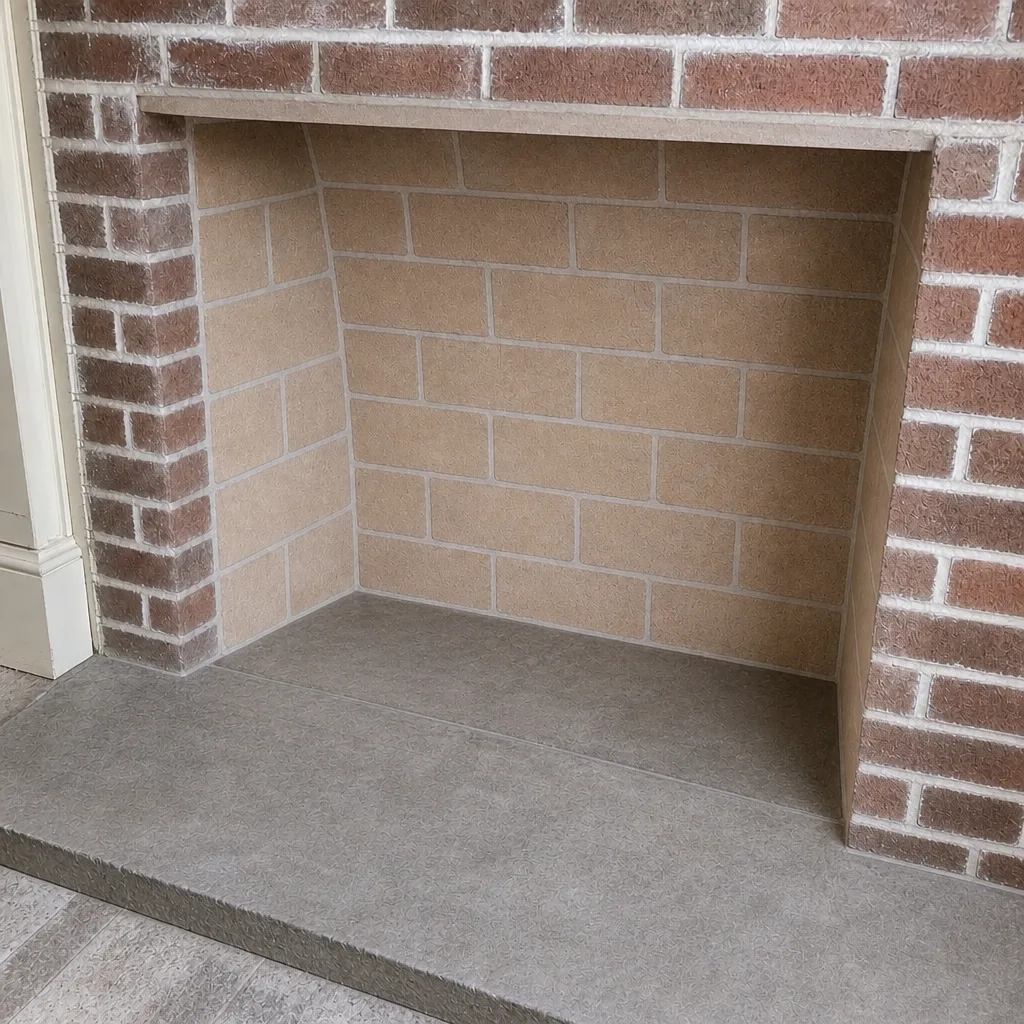
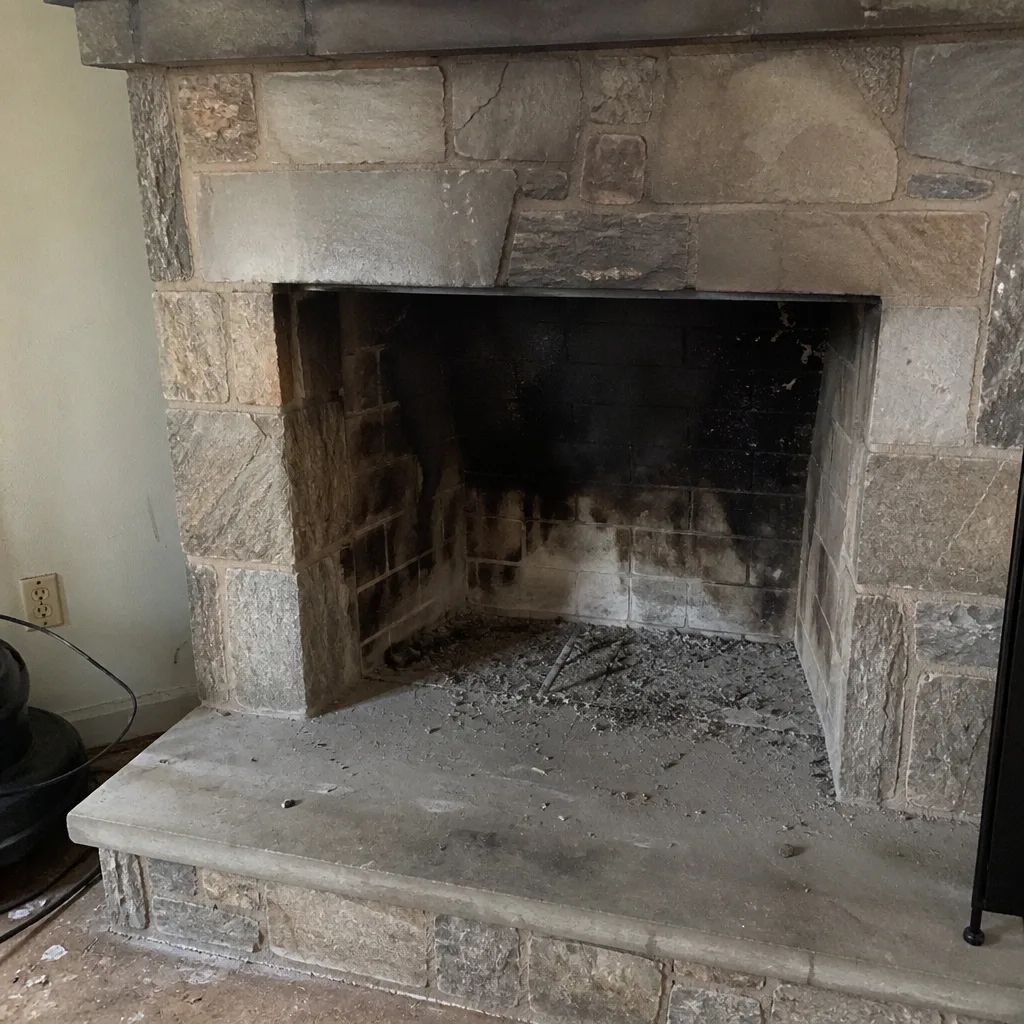
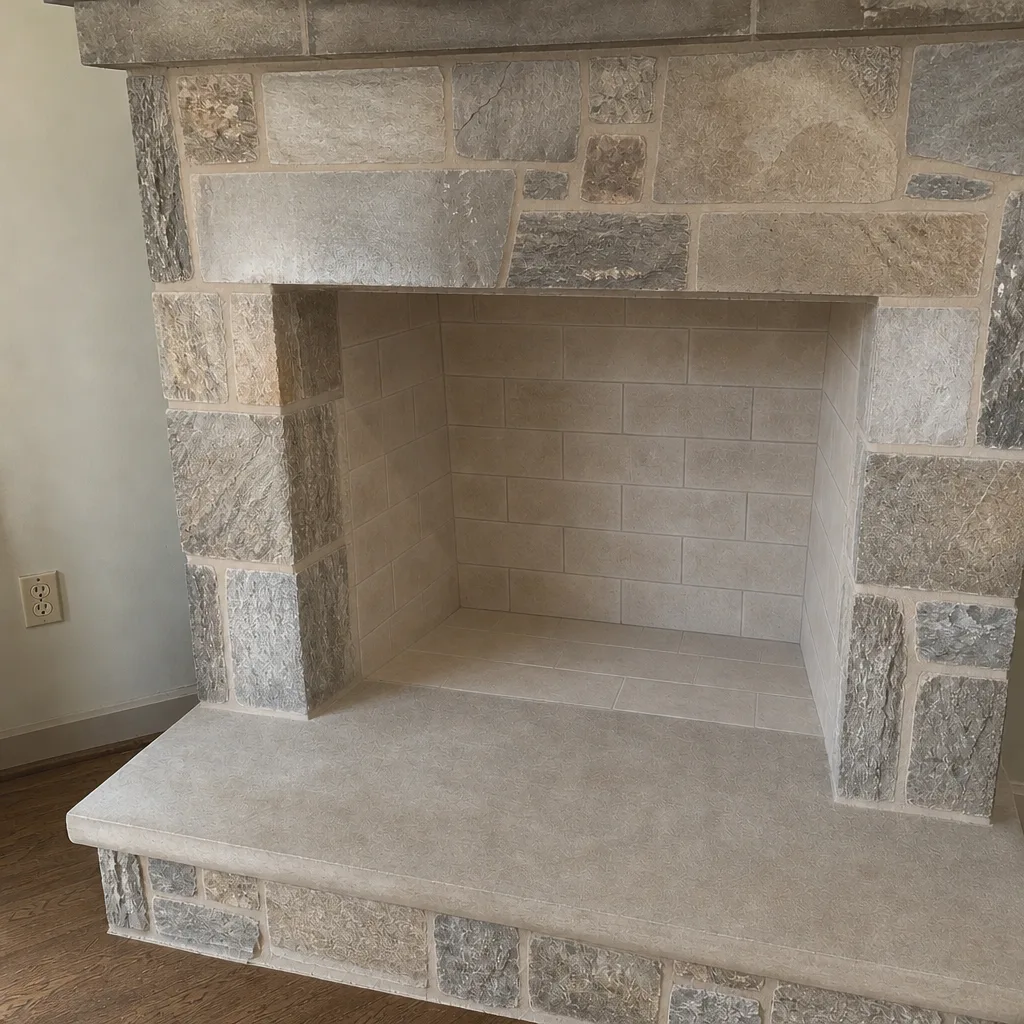
See the difference
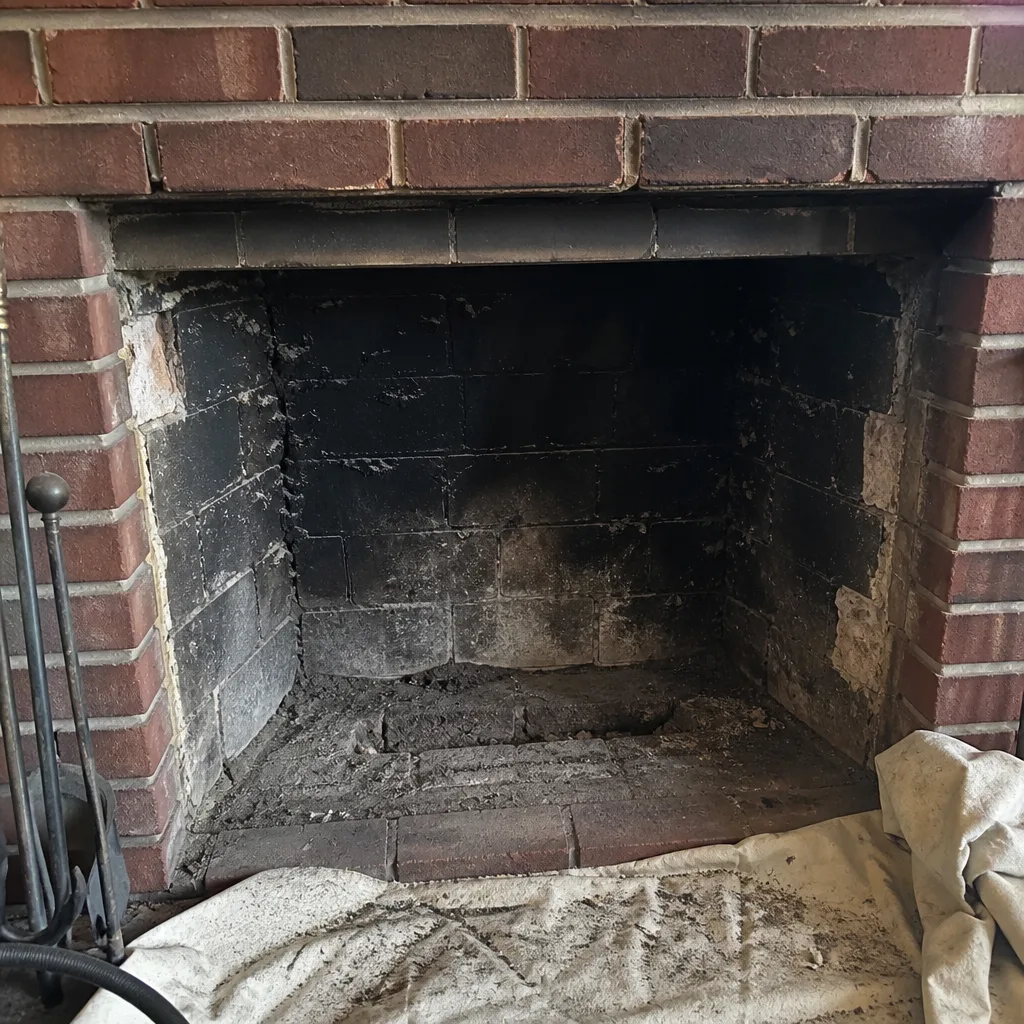 Before
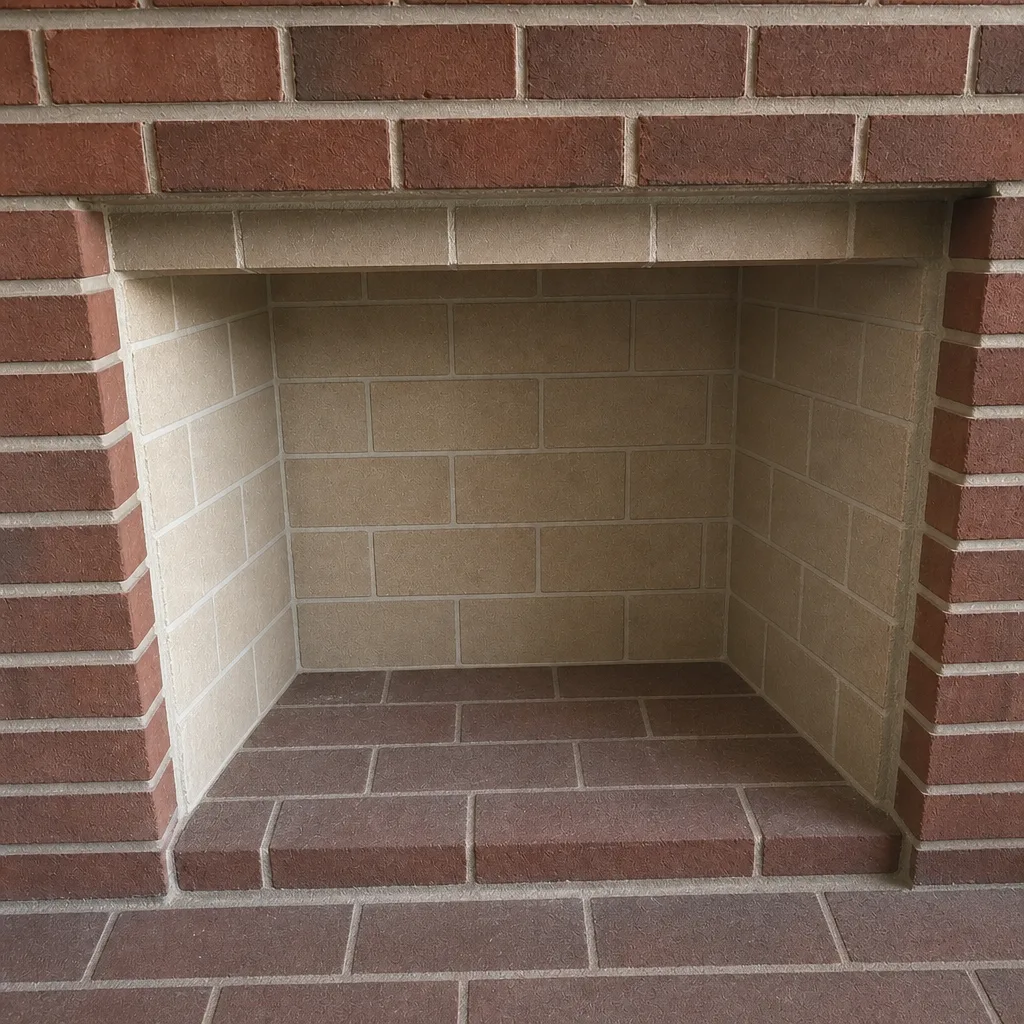 After
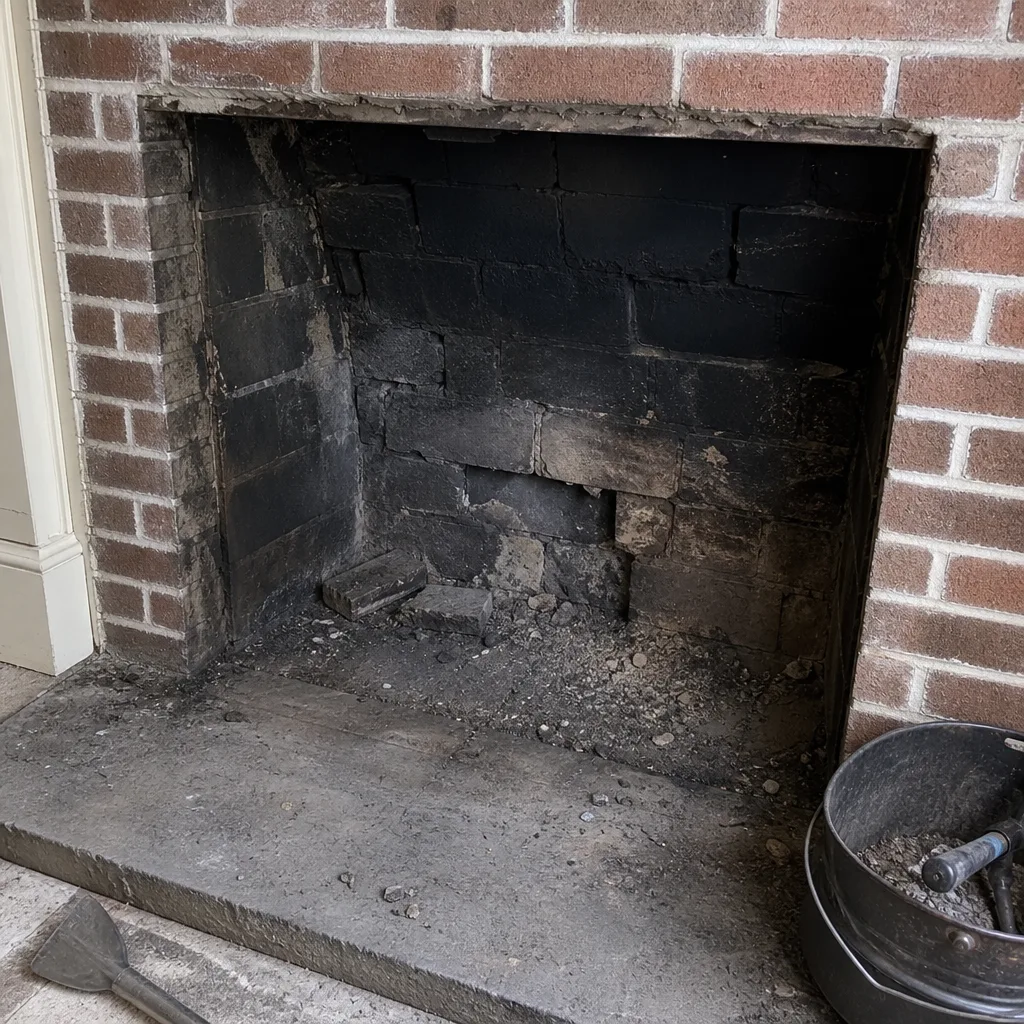 Before
 After
 Before
 After
When to Call a Professional
Call a professional when you smell smoke inside the room, when you hear a roaring sound from the flue during a fire, when a draft reverses and smoke puffs out of the firebox, or when you’ve never had the flue inspected in a home you just bought. Call also after any chimney fire, even a small one, because the liner needs to be checked before the next fire. And call if a repair or relining has been recommended and you can’t see what’s driving it; a second opinion from a specialist who does the work – not just a sweep – is worth getting. Chimney Sweep Ozone Park offers free estimates in Ozone Park. Call (833) 508-9108 and we can talk through what the visit would cover. We answer 24/7, and fast dispatch from 7am to 7pm, Sunday through Friday.
Frequently Asked Questions
It’s priced per job with a free written estimate, and the number is set by the flue size, the creosote stage, and whether a camera inspection is included. The written estimate sets the final price, and you approve it before any work is booked. Call (833) 508-9108 for an exact quote – estimates are free.
Most wood-burning chimneys should be swept once a year, and that’s a good rule for a home in Ozone Park that uses the fireplace through a heating season. Annual inspection of all chimneys is the guidance from the National Fire Protection Association, and a heavy user may need a cleaning sooner.
Only if the inspection shows the old one is cracked or failing. A camera scan of the flue shows whether the terra cotta is intact, and that’s what drives a liner recommendation. If a repair is suggested and you can’t see the footage behind it, ask to see it. Nothing should be recommended without camera evidence you can see for yourself. Call (833) 508-9108 to book an inspection.
Creosote builds in stages, and each stage is harder to remove and more prone to igniting. A skipped year can mean a glazed flue that needs chemical treatment rather than a simple sweep. It’s not worth the gamble – an annual cleaning is the cheapest step in the whole system. Call (833) 508-9108 for an estimate.
A Level 2 inspection, which includes a video scan of the flue. A new-to-you home is exactly the situation where you can’t assume the liner is intact, and the camera is the only way to confirm it. Most Ozone Park homes of this vintage have terra cotta liners that deserve a close look.
We do. We work with professional-grade brands such as DuraFlex, Olympia Chimney, Famco, and Copperfield, and we apply HeatShield for resurfacing a deteriorated flue liner without full demolition. That matters for older masonry chimneys in Ozone Park, where a damaged liner often doesn’t need to be torn down to be fixed. Call (833) 508-9108 to talk through options.
The Bottom Line
Cleaning a chimney is the routine; inspecting it is the part that protects the house. In Ozone Park, where attached housing and shared chimney walls are common and the coastal climate works on masonry from the outside in, the liner and the crown and the cap matter as much as the soot. Get the sweep, get the camera inspection, and ask to see what it shows before you approve anything. A full-system approach – flue, liner, cap, crown, firebox, masonry – means one specialist and one visit rather than a chain of contractors. If you’ve been putting it off, that’s the call worth making this season.
Chimney Sweep Ozone Park handles chimney sweep visits, inspections, liner repair, and fireplace work across the neighborhood. Call (833) 508-9108 for a free estimate. We answer 24/7, with fast dispatch from 7am to 7pm, Sunday through Friday.
Written by the team at Chimney Sweep Ozone Park.