
Last updated November 25, 2026
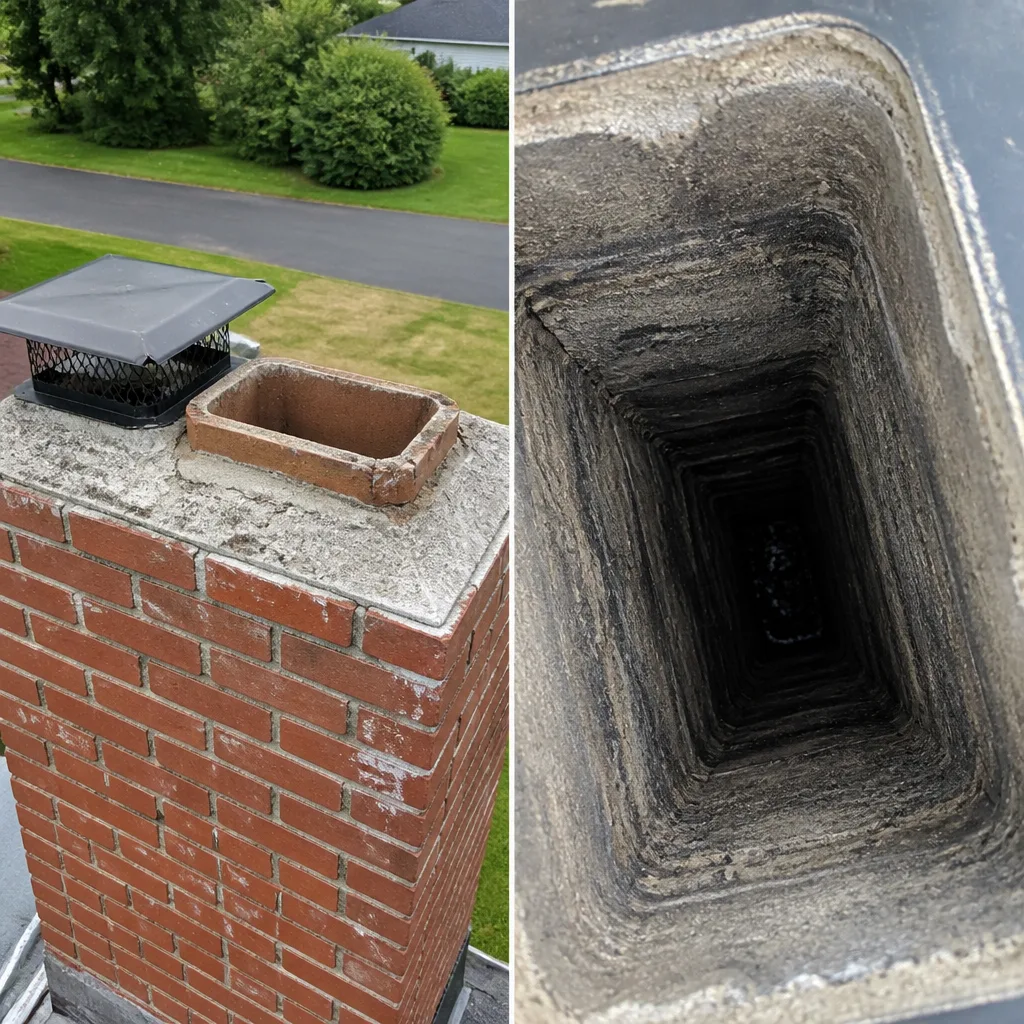 Sweep & inspection
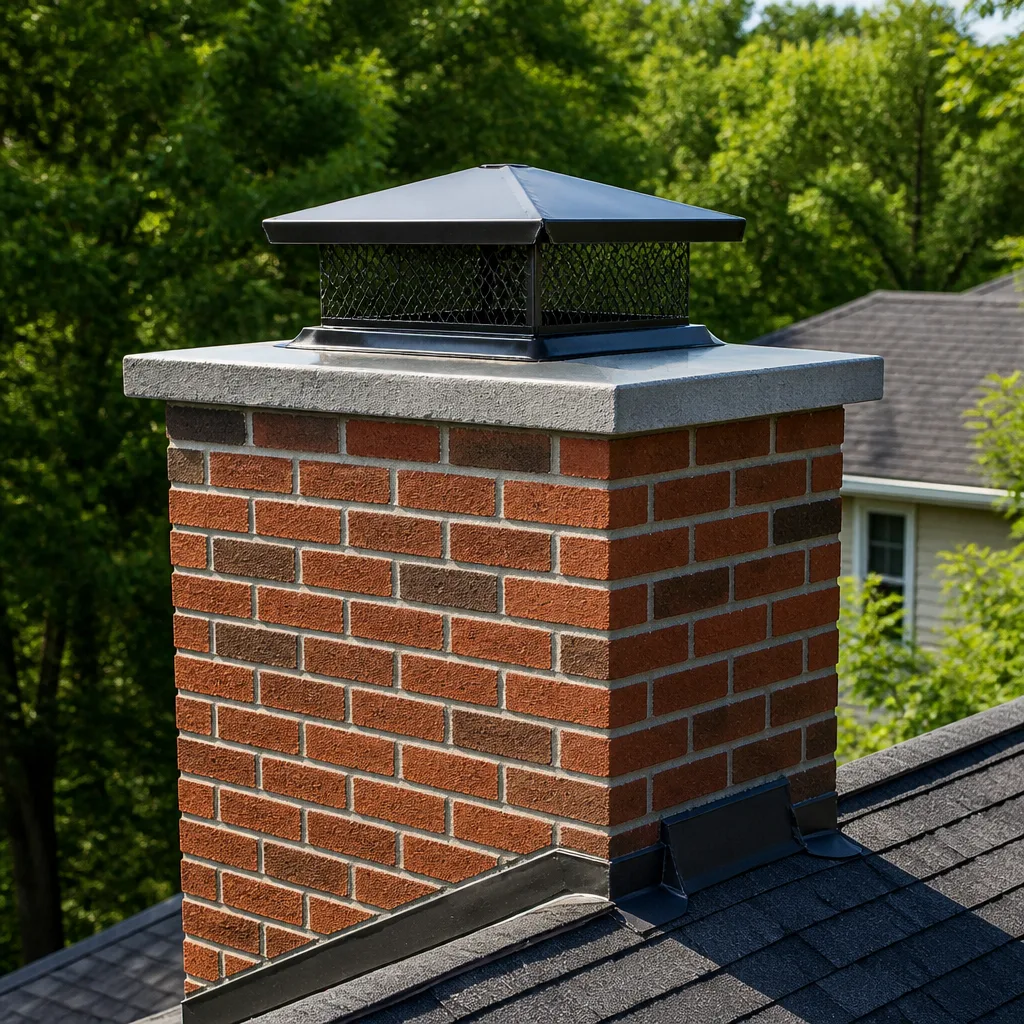 Caps & crowns
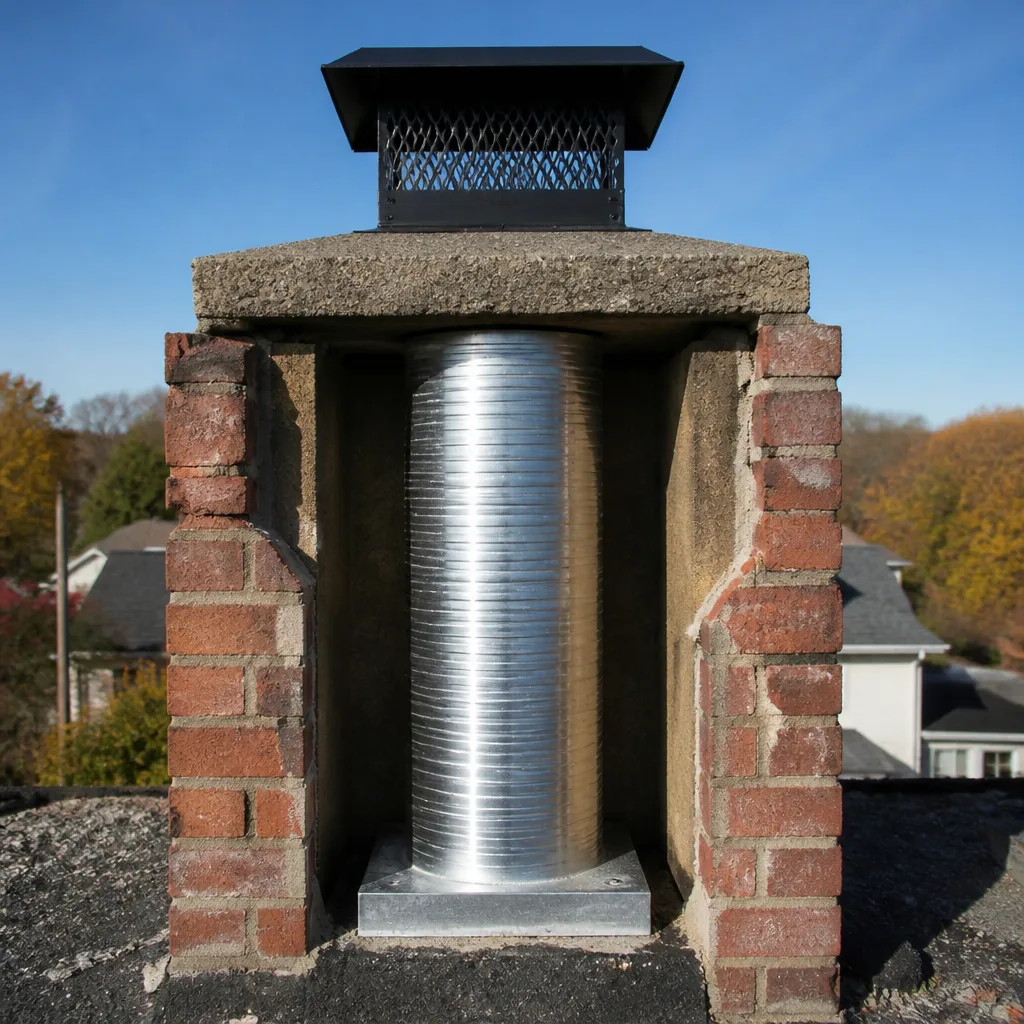 Flue relining
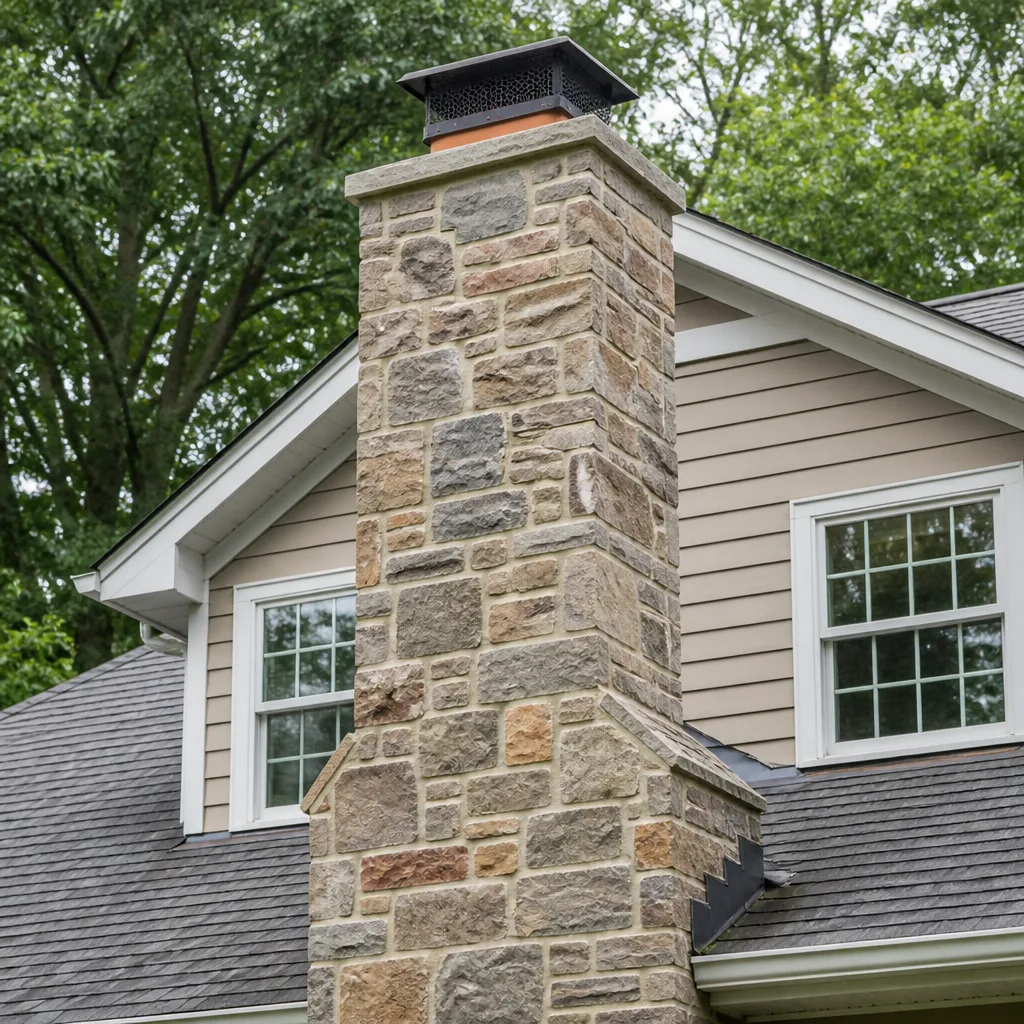 Masonry repair
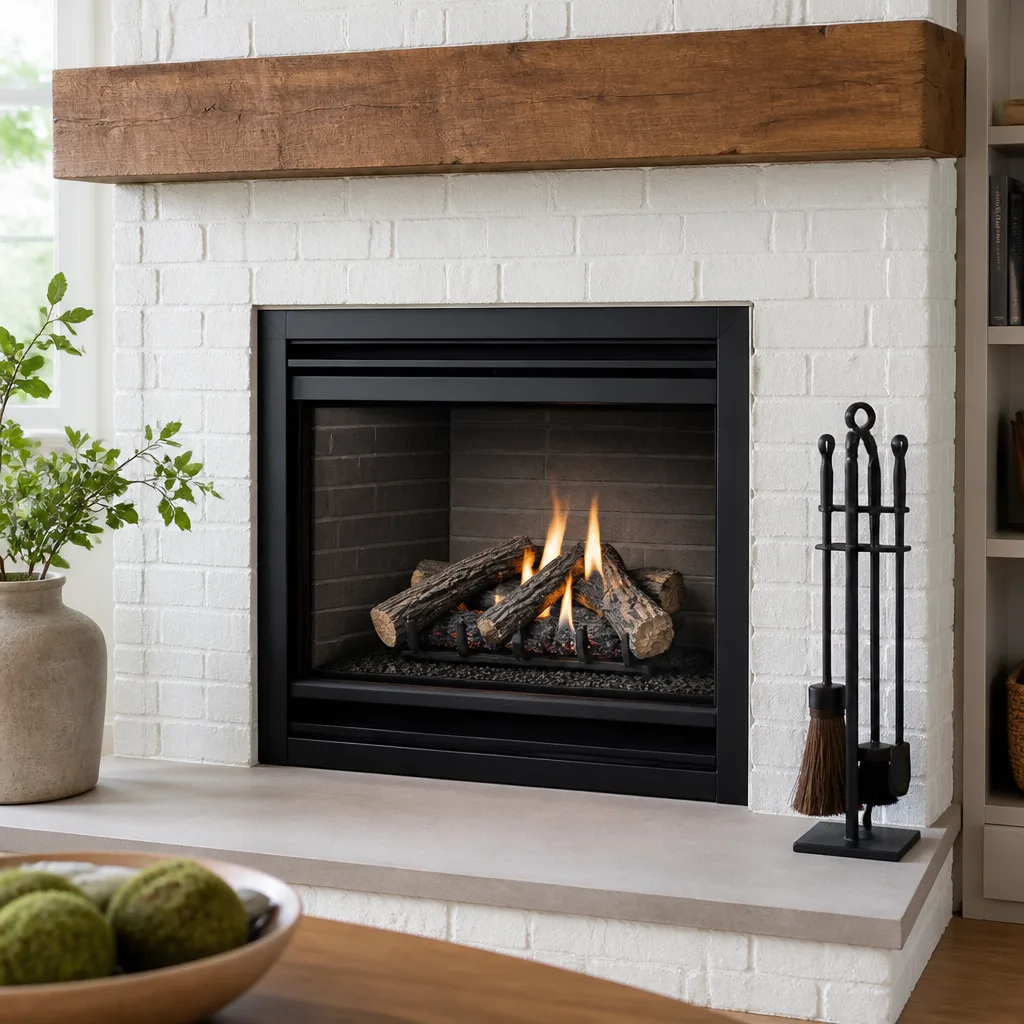 Gas fireplace service
Level 1 sweep and inspection to the NFPA 211 annual standard - flue, crown, cap, and flashing checked and photographed
Chimney sweep logs do not sweep chimneys. They loosen some creosote - which then falls where a brush and vacuum still have to collect it.
Seasonal Chimney Cleaning Care for Ozone Park: Year-Round Homeowner’s Guide
Most homeowners think of chimney care as a fall chore, something to knock out before the first cold snap. But the creosote that catches fire in January is only half the story. The other half is water. In Ozone Park, a cracked crown lets meltwater seep in through April rains, and the freeze-thaw cycles of a Queens winter work that moisture deeper into masonry until a liner that looked fine in October is spalling by spring. Chimney care here isn’t one appointment a year. It’s four seasons of attention, each with its own failure mode. This guide walks through what to check, when to act, and when to leave a chimney alone.
Quick Answer
Seasonal chimney care in Ozone Park breaks into four distinct jobs: a sweep in late September or mid-October before burning season starts, moisture monitoring through winter, a full inspection in spring when freeze damage becomes visible, and a cap check in summer when humidity and animals do their own damage. One annual cleaning doesn’t cover all four. The sweep protects against creosote fire; the inspection, cap, and crown work protect against water damage that shortens the life of the flue. Both matter, and both have their own season.
Styles & brands we work with
- Sweep & inspection
- Caps & crowns
- Flue relining
- Masonry repair
- Gas fireplace service
Table of Contents
- Fall: The Optimal Sweep Window in Queens
- Winter: Signs of Moisture Intrusion During Heating Season
- Spring: The Post-Heating-Season Inspection Checklist
- Summer: Why Uncapped Chimneys Deteriorate Faster
- How Proximity to Jamaica Bay Affects Exterior Masonry
- Building Your Ozone Park Seasonal Checklist
- Common Mistakes to Avoid
- When to Call a Professional
Why Late September Through Mid-October Is the Optimal Sweep Window in Ozone Park
Late September through mid-October is the optimum window for a chimney sweep in Ozone Park. Warm weather is still hanging on but the burning season hasn’t started, which means the sweep happens while the flue is at its cleanest firing state and before any creosote from the previous winter has had a chance to harden through another heating season.
There’s a practical reason too. Creosote left in a flue over the summer can absorb ambient moisture in humid months, and when it re-dries, it hardens into a glazed, glossy layer that’s harder to remove than the soot it started as. A sweep in October catches deposits before they’ve had a full summer to set up. A sweep in November means you’re already burning in a dirty flue.
Before the first fire, confirm a short list:
- Sweep and inspection done. A sweep clears the flue. An inspection confirms the liner, cap, and crown are all intact. These are two different jobs, and a proper chimney sweep should tell you what the inspection found, not just hand you a clean flue.
- Damper opens and closes freely. Stuck dampers are common after a summer of disuse and they let heat escape when closed, or confine smoke when open.
- Firebox clear of debris. Ash buildup, animal nests, and old newspaper all belong in a bucket, not at the base of your fire.
- Cap in place and undamaged. A missing or damaged cap lets rain, birds, and squirrels into a flue that’s about to see regular use.
- No strong draft issues. If smoke backs into the room on the first test fire, stop. That’s usually a flue or pressure problem and warrants a closer look rather than a bigger fire.
The fall window exists because a chimney is easiest to inspect and clean before it’s been actively used. Once the first cold snap hits, everyone in the neighborhood calls at once and the window closes on you, not on us.
Winter: Signs of Active Moisture Intrusion During the Heating Season
Winter in Ozone Park is a stress test for the chimney. The firebox stays hot for weeks while the exterior crown and masonry drop to freezing overnight, and any crack in the crown or flashing lets meltwater in during thaws that refreezes overnight, expanding and driving the crack wider each cycle. What looks like a cosmetic crack in December can become a pathway into the flue structure by February.
Watch for these specific signs during the heating season:
- White, chalky stains on exterior brick. Called efflorescence, this is mineral salt pushed to the surface by moisture traveling through the masonry. It’s the first visible symptom of active water intrusion, not just age.
- Damp or discolored interior walls near the chimney. Water doesn’t always show up as a drip. Often it shows as a stain on interior plaster, or a musty smell that gets worse in a cold snap.
- Flaking paint or rust on the firebox or damper. Both suggest moisture is reaching metal components that should stay dry.
- Crumbling mortar at the crown or cap. If you can crumble the mortar between the bricks at the crown with a fingernail, it’s already failed.
- Ice forming at the chimney’s base or cap. Ice in the wrong place means water is flowing where it shouldn’t be flowing.
What’s Safe to Monitor vs. What Needs Immediate Attention
Some winter findings can wait for spring. A small amount of efflorescence with no interior staining can be noted and addressed in the spring inspection. Soot on the firebox doors gets cleaned up. Minor paint peeling gets scheduled.
Other findings are not safe to defer. If you see water actively dripping inside the chimney chase or on the interior wall during use, stop using the fireplace until it’s assessed. If the crown or cap has visibly separated or come loose, do not burn until it’s inspected. If you smell smoke inside the house when there’s a fire going, shut down and call. Draft failure has causes that range from a blocked flue to a crack in the liner, and guessing at them in winter can put carbon monoxide where you don’t want it. What to check for, not what to fix yourself.
One more thing during the heating season: check your carbon monoxide detector. Every year, dozens of chimney problems reveal themselves first as a CO alarm. The alarm isn’t the problem, it’s the diagnostic, treating it as one is where people get hurt.
Spring: The Post-Heating-Season Inspection Checklist
Spring is when a hard winter shows its work. Freeze-thaw cycles separate weak mortar, spalling bricks drop their faces, and a liner that was sound in November can develop visible cracks by April. This is the season when a chimney inspection does the most diagnostic good, because the damage is fresh and visible and hasn’t been masked by another six months of use.
Run through these checks in April or May:
- Inspect the crown for surface cracks. Hairline cracks can be sealed before they widen. Cracks wide enough to catch a fingernail usually mean the crown needs resurfacing or replacement.
- Check the cap and spark arrestor. Winter storms bend or dislodge caps. A cap sitting at an angle will let water into the flue, and it’s a quick fix once spotted.
- Look for spalling brick. Brick faces that have popped off or flake when you touch them tell you moisture has been inside the masonry through the winter.
- Inspect flashing where the chimney meets the roof. Failed flashing is one of the most common sources of water intrusion and gets mistaken for a chimney problem, when the fix is actually at the roofline.
- Have the flue liner assessed with a camera. This is where a standalone chimney repair diagnosis really matters. A camera inspection shows the inside of the liner in a way no external check can replicate. Without it, a repair recommendation is guesswork.
If the inspection turns up a liner that’s cracked, deteriorated, or has lost its integrity, HeatShield is one of the products we work with because it resurface a deteriorating flue rather than requiring total demolition. For a chimney in an older Ozone Park home, where the original liner has been through dozens of heating seasons, that difference in scope matters on the estimate as much as it matters structurally. For liner replacements that need a new flue, DuraFlex and Copperfield systems cover both flexible and rigid installation scenarios.
Summer: Why Uncapped Chimneys Deteriorate Faster
An uncapped chimney in a humid summer is an open invitation. Ozone Park’s summer humidity sits in the flue as condensation, feeding creosote deposits and rusting any metal components. Rainwater once again finds its way inside, this time without the heat of a fire to dry it out afterward. The same crack that measured a millimeter in April can widen by August after months of moisture cycling through it.
And speaking of an open flue: animals take the invitation every summer. Squirrels, birds, and raccoons nest in chimneys, and the blockage they create is dangerous when the burning season returns. A nest that fills a flue opening blocks carbon monoxide from escaping and prevents any firebox from drafting properly. It’s better to catch that in August than to discover it in December.
What to Do Before Summer Bites
- Install or repair a cap. A properly fitted chimney cap & crown is the single most effective protection against both summer moisture and animal intrusion. Olympia Chimney and Famco caps are the kind of product we spec here for durability through both seasons.
- Repair the crown. A crown that’s cracked or that has lost its slope toward the edges will collect water instead of shedding it. Summer is the right time to repair the crown, because you want it sealed before fall rains.
- Listen for scratching or fluttering in the chimney when the house is quiet. That’s usually an animal presence, and it’s worth investigating before the burning season.
- Look up. From the yard, look at the chimney crown and cap. If the crown is uneven, cracked, or drooping at the edges, it’s not doing its job.
Summer is also the time of year most homeowners ignore the chimney, which is exactly why summer problems compound into fall repairs. Unaddressed, the cost of a full crown replacement dwarfs the cost of sealing a hairline crack in June.
How Proximity to Jamaica Bay Affects Exterior Masonry
Ozone Park sits close enough to Jamaica Bay that exterior brick and mortar here face a slightly different climate than neighborhoods farther inland, like parts of Forest Hills or Glendale. The general concern in a bay-adjacent neighborhood is humidity cycling, the repeated wetting and drying of exterior masonry, plus the wind-driven mist that can carry across during storm weather. That’s a different stressor than the constant salt-laden air people sometimes assume, and it’s a different set of visible symptoms.
What actually shows up in Ozone Park masonry:
- Efflorescence on the lower chimney stack and the chimney shoulder, where the wind hits and moisture collects.
- Spalling brick faces on the side of the chimney facing the prevailing wind, which is often the side you can’t see from the front of the house.
- Soft or eroded mortar joints at the crown and where the chimney meets the roofline, where moisture lingers longest.
The remedy for spalling is the same regardless of neighborhood: the chimney needs to shed water before it penetrates, which means the crown is sound, the cap is fitted, and the flashing is tight. The bay’s humidity accelerates the process, but the entry points are identical to anywhere else. The lesson is to inspect the chimney from the side rather than just the front. Most Ozone Park homeowners look at the outside face of their chimney once a year. The side facing the weather is the one that tells you the whole story.
Building Your Ozone Park Seasonal Checklist
A season-by-season plan makes chimney maintenance concrete. Here’s one that works for a typical wood-burning fireplace in Ozone Park. A gas fireplace has different needs, but the general rhythm holds.
- Late September to mid-October: Sweep, camera inspection, and pre-season check of damper, cap, and firebox.
- November through February: Monitor for interior moisture stains, efflorescence, and CO alarm activity. Stop using the fireplace if smoke back-drafts, water is dripping into the chase, or the cap or crown has visibly failed.
- March through May: Post-heating-season inspection with a focus on freeze damage, crown condition, and liner integrity. Address repairs while the schedule is open.
- June through August: Confirm cap and crown are intact and doing their job. Check the flue for animals before the burning season resumes.
- Any time: After a major storm, look at the chimney from the ground. Anything that catches your eye earns a closer look during a free estimate.
The reason this matters more in Ozone Park than the annual sweep message suggests is simple. The climate here produces four distinct categories of chimney stress, and one seasonal cleaning only addresses one of them. Four seasonal touch points address all four.
Common Mistakes to Avoid
- Treating the annual sweep as the whole job. A sweep clears the flue, it doesn’t inspect the crown or liner. Both need to happen, and one doesn’t replace the other.
- Waiting until the first cold snap to call. The fall window gets crowded fast. Booking in late September gets you on the schedule without the crunch, and gets you a cleaner flue before the first fire.
- Repointing brick without fixing the source of the water first. Fresh mortar over a failed crown will still fail, because the water is coming from above. Fix the crown, then repair the masonry.
- Skipping summer cap work. Summer is the season when uncapped flues collect moisture and animals. It’s also the season when this is easiest to prevent.
- Acting on a repair recommendation without seeing the evidence. A reputable repair decision should be tied to a camera inspection the homeowner can see. If a contractor recommends liner work on the strength of a visual inspection alone, that’s the moment to ask why.
- Leaving a broken crown through the winter. Freeze-thaw cycles will widen every crack in a failed crown. A small spring repair becomes a full crown replacement by the following winter.
- Confusing the chimney cap with the crown. The cap covers the flue opening, the crown is the sloped masonry at the top of the stack. Both need to be intact, and they fail in different ways.
When to Call a Professional
Some jobs are visual checks you can run yourself from the yard. Others are professional work, and the line between them matters. Call a professional if you see smoke backing into the room when the fireplace is going, if you have active water intrusion from the chimney during use, if the crown is cracked wide enough to catch a fingernail, if the liner shows cracking or spalling, if a carbon monoxide alarm fires while the fireplace is in use, or if the cap has come loose or gone missing. Also call if an inspection has never been done on the chimney, or if you’ve moved into a home whose chimney history is unknown. Chimney Sweep Ozone Park offers free estimates in Ozone Park, and a standalone inspection is available without a repair commitment. Call (833) 508-9108.
We work on the full system, not just the flue. Liner, cap, crown, firebox, and masonry are all part of the same seasonal cycle, and it’s easier to make the right call for all of them at once than to chase them down one at a time.
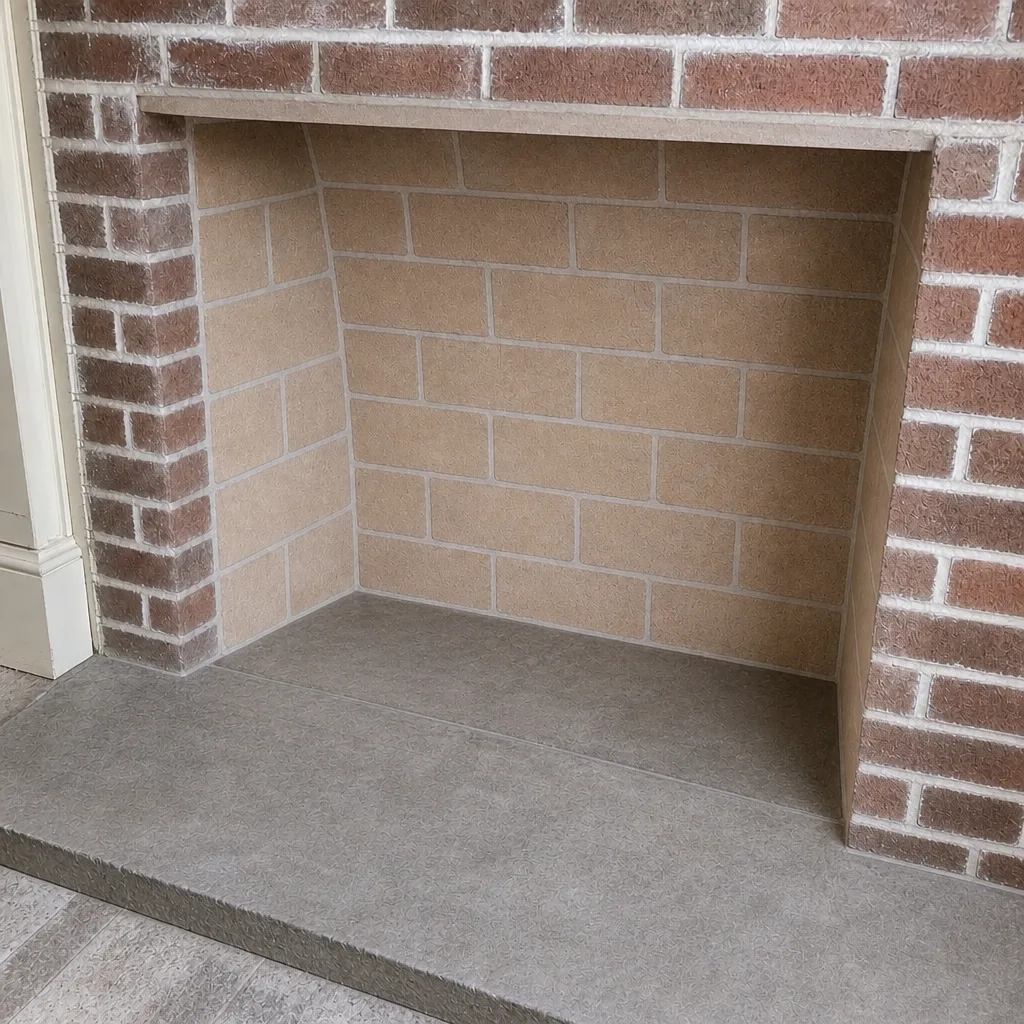
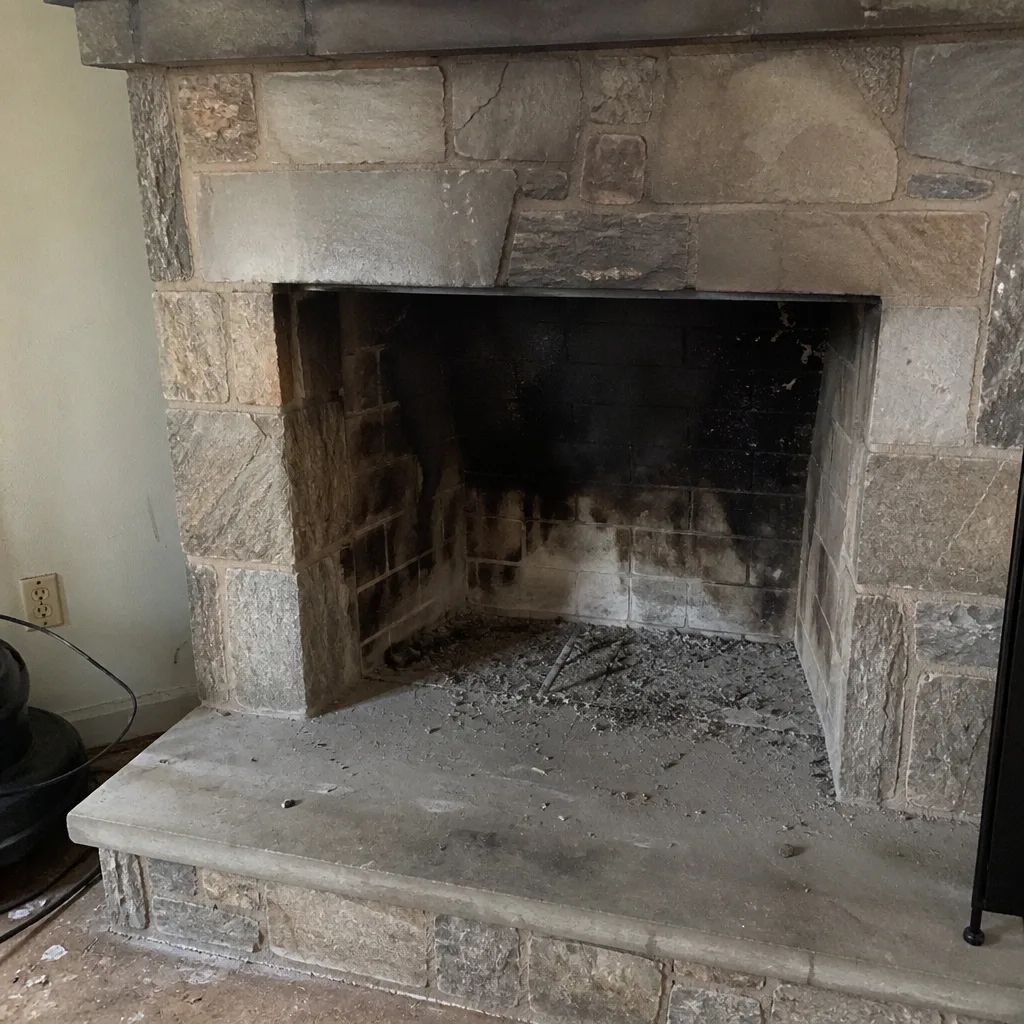
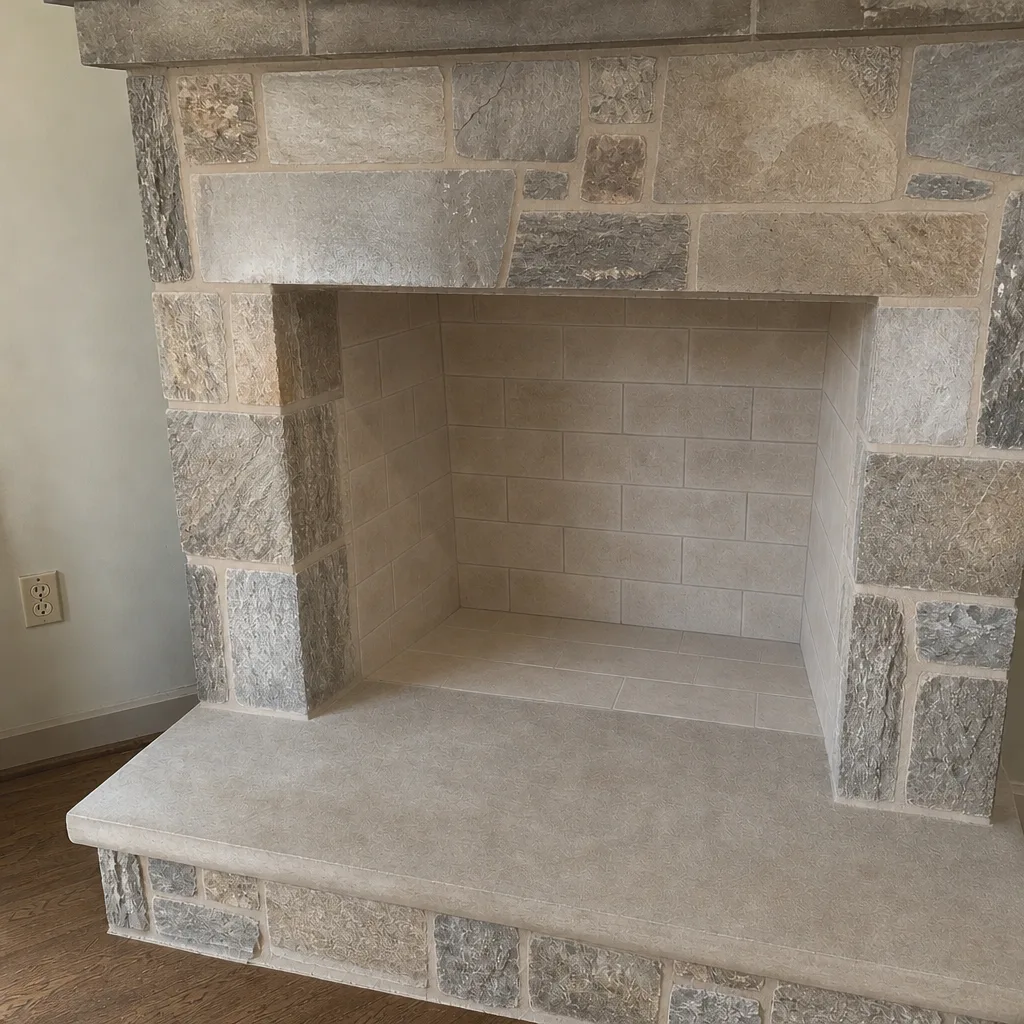
See the difference
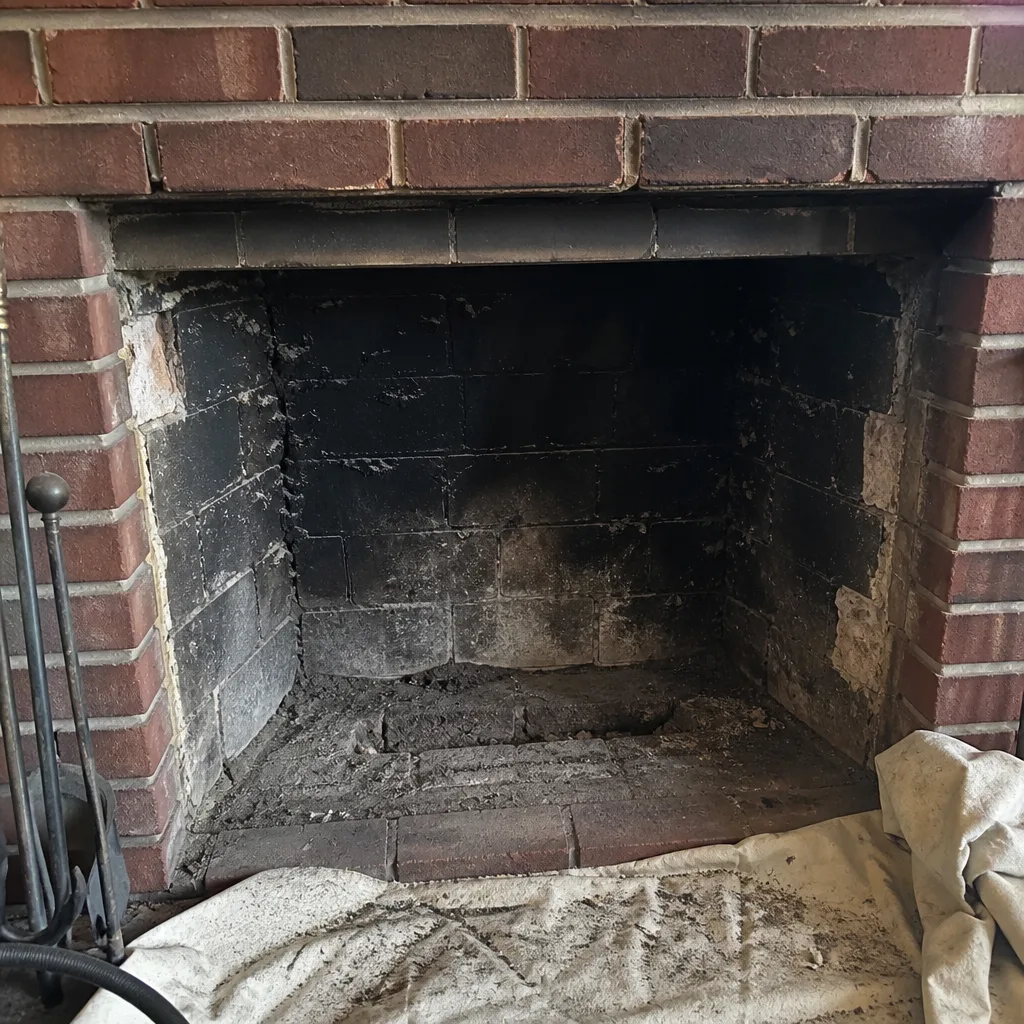 Before
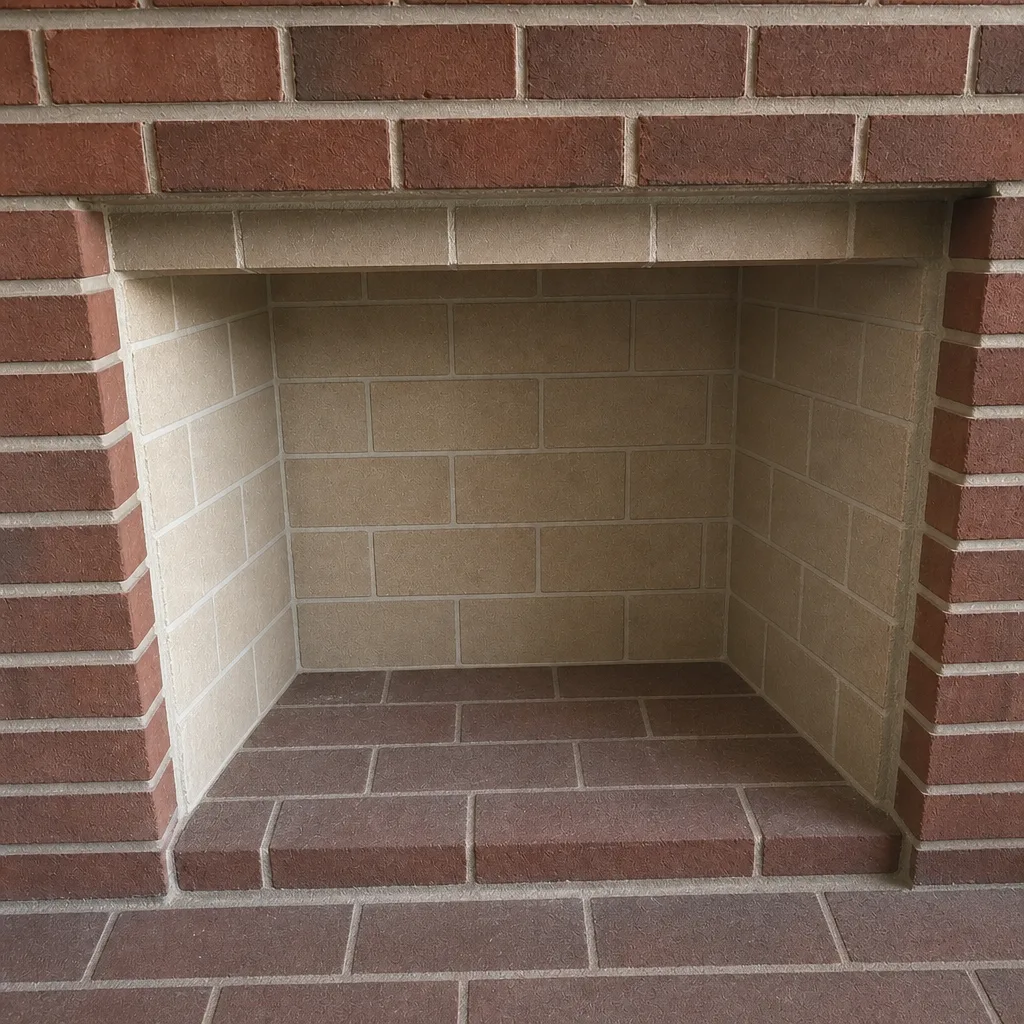 After
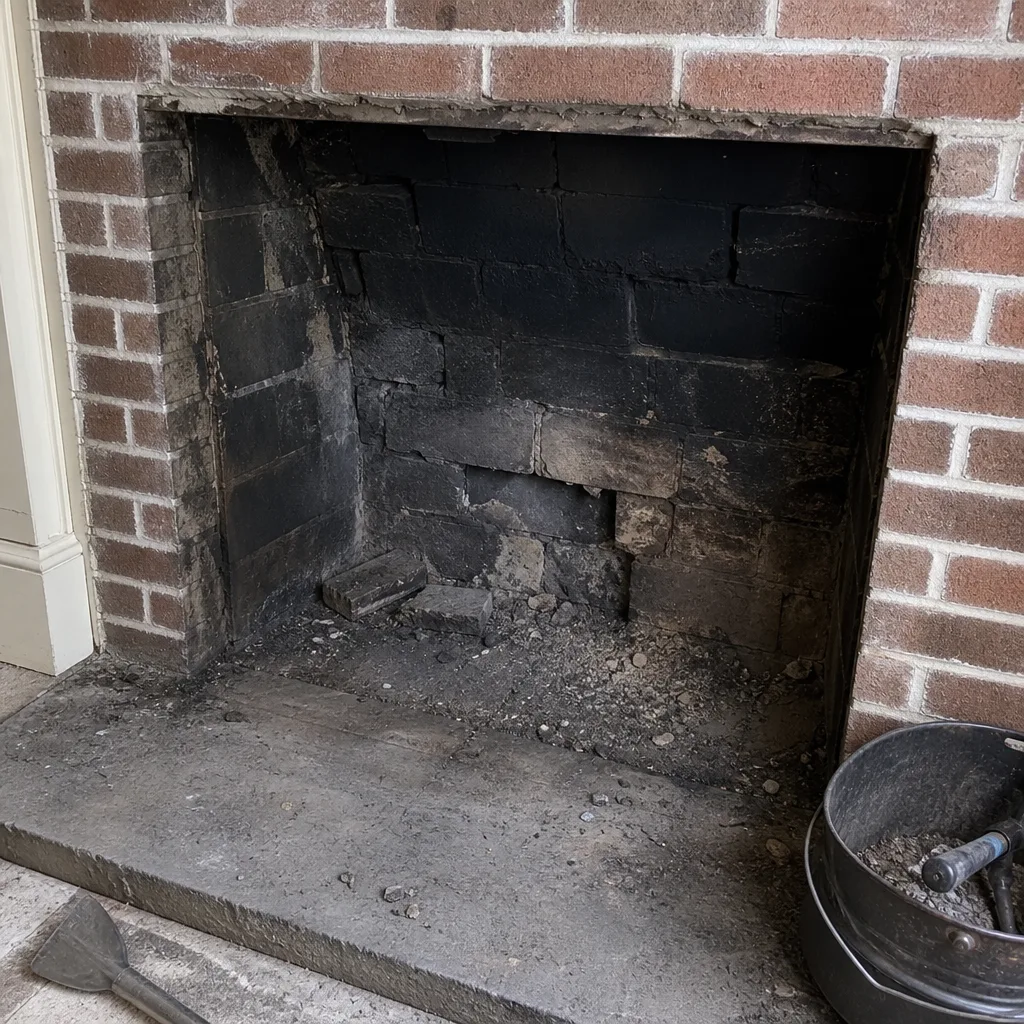 Before
 After
 Before
 After
Frequently Asked Questions
Once a year is the standard for a regularly used wood-burning fireplace, and for Ozone Park the ideal sweep window is late September through mid-October before the burning season starts. Homes that burn heavily, or that have never had the chimney inspected, may need a sweep at the start of the season and a follow-up inspection in spring. Call (833) 508-9108 for an exact quote, estimates are free.
You only need a new liner if the existing liner has lost structural integrity or no longer provides a safe path for exhaust gases. The way to know is a camera inspection that shows you what’s actually inside the flue. If the liner is sound, a repair usually isn’t needed. If it shows cracking or deterioration, HeatShield or a liner replacement from DuraFlex or Copperfield may be the right call, and the decision should be tied to evidence you can see. Call (833) 508-9108 to schedule an inspection, estimates are free.
Skipping spring inspection means freeze damage, spalling brick, and cracked liners go undetected through the summer, when the warm humidity accelerates the problem. Skipping fall sweep means creosote stays in the flue through the burning season, which is the environment a chimney fire needs. Skipping the summer cap check means an open flue collects moisture and animals. None of these is dramatic in a single season, but the pattern compounds across years. Call (833) 508-9108 and we’ll help you get back on a seasonal schedule, estimates are free.
Yes, especially if the crown is cracked, the cap is missing, or you can hear animals in the flue. Summer is the right time to fix those problems for two reasons. One, doing the work before fall rain and before the burning season means the chimney is protected through the seasons when it’s most exposed. Two, the schedule is less crowded in summer than in October. Call (833) 508-9108, estimates are free.
A sweep cleans the flue, removing soot, creosote, and debris. An inspection evaluates the whole system, including the flue liner, cap, crown, firebox, and masonry, and is done with a camera to see what’s inside the flue. The two are often done together, but they’re different jobs, and we offer inspection as a standalone service for homeowners who want a diagnosis before any repair is discussed. Call (833) 508-9108 for an exact quote, estimates are free.
It changes what the service needs to cover, more than how often it happens. Ozone Park’s climate produces four distinct seasonal stresses: fall creosote buildup, winter freeze-thaw damage, spring moisture intrusion through cracked masonry, and summer humidity plus animal intrusion in uncapped flues. One annual sweep plus one spring inspection addresses the biggest of these. A full chain of seasonal checks covers all four. Call (833) 508-9108 if you want to talk through what your chimney actually needs this season, estimates are free.
The Bottom Line
Chimney care in Ozone Park is four seasonal jobs, not one. The sweep in early fall protects against creosote fire. Winter monitoring catches moisture intrusion before it becomes structural. The spring inspection is when the winter’s damage becomes visible and repairable. The summer cap and crown check protects against the humidity and animal damage that get forgotten until fall. None of these is expensive on its own, but the four together are what keep a wood-burning fireplace safe and the flue structurally sound across a decade. Start with the season you’re in. The next one follows.
Ready to book your seasonal service? Call (833) 508-9108 for a free estimate. We answer 24/7. Fast dispatch from 7am to 7pm, Sunday through Friday. Our technicians have up to 15 years of experience, and we work with professional-grade product lines including HeatShield, DuraFlex, Olympia Chimney, Famco, and Copperfield. Whether you’re due for a Chimney Sweep Ozone Park visit or a full inspection, one call gets you on the schedule.
Written by the team at Chimney Sweep Ozone Park.