
Last updated November 25, 2026
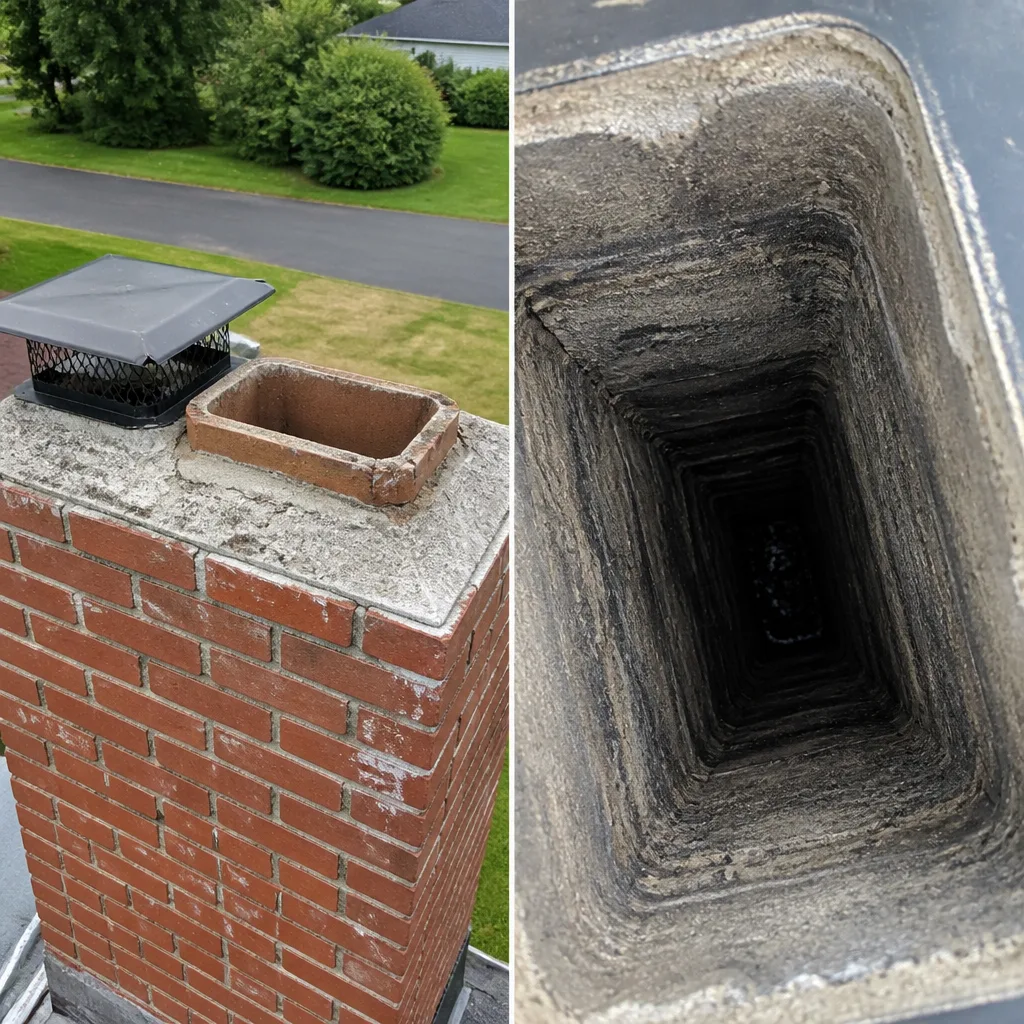 Sweep & inspection
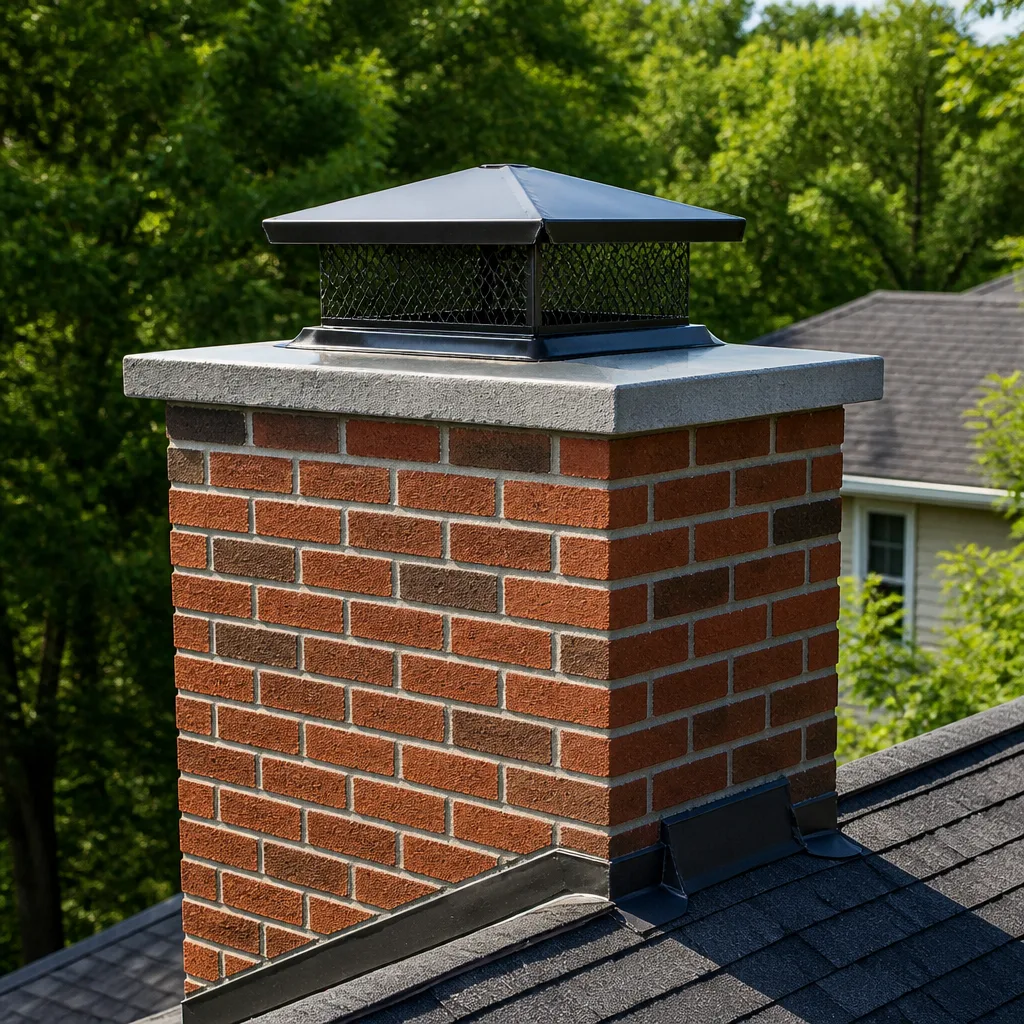 Caps & crowns
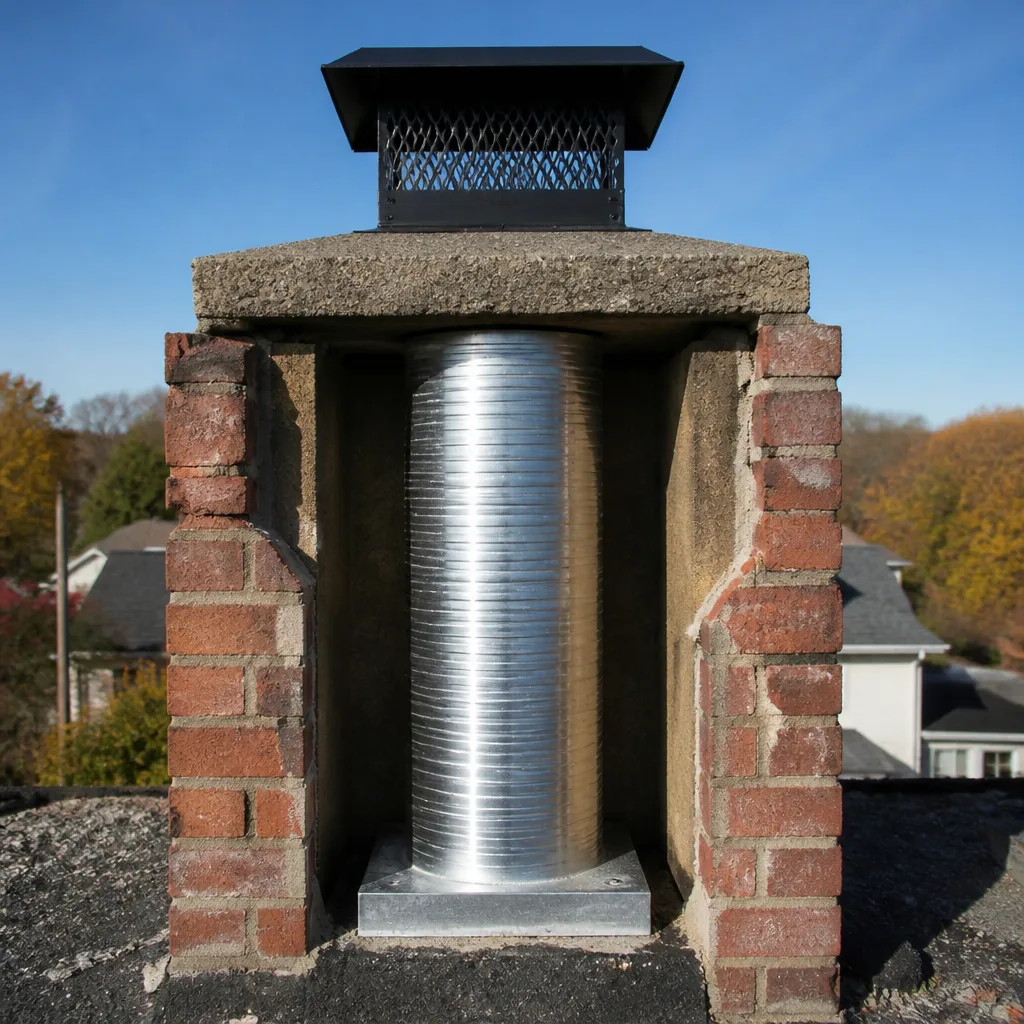 Flue relining
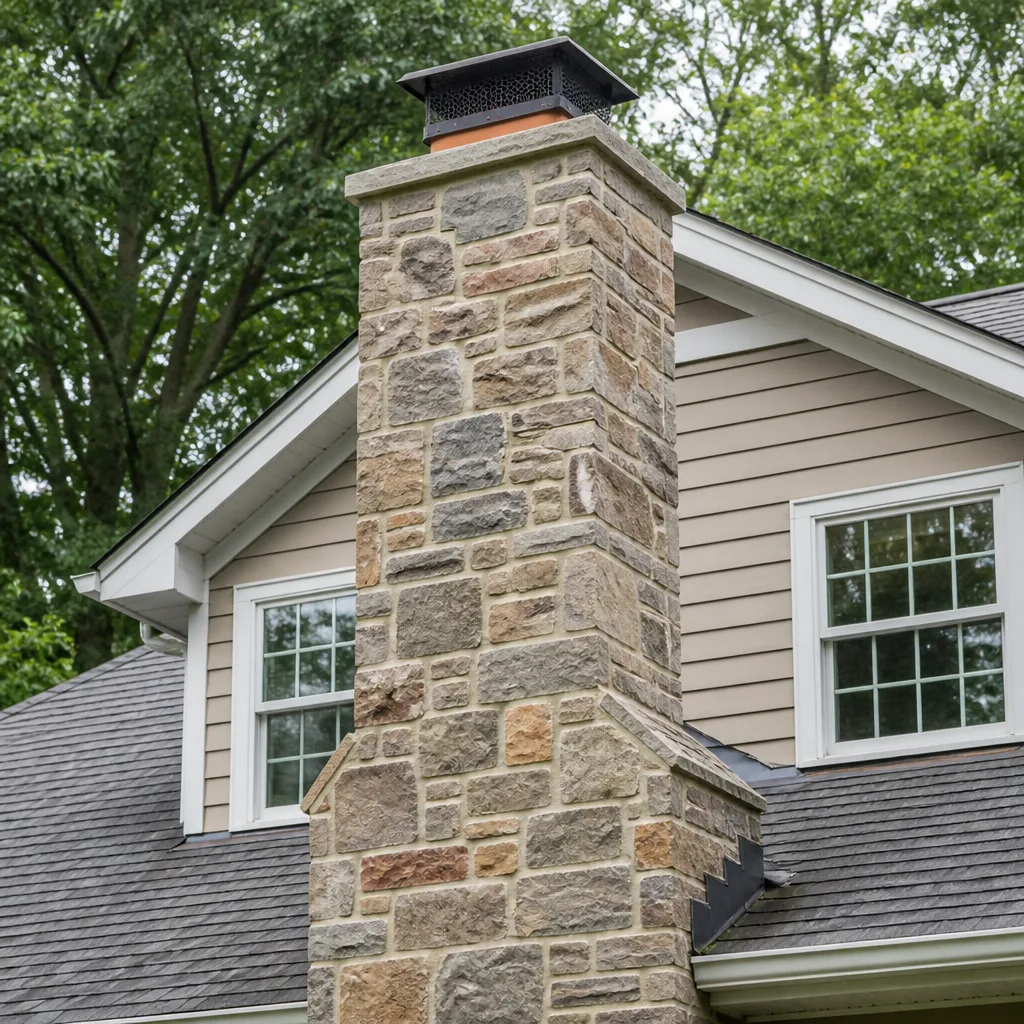 Masonry repair
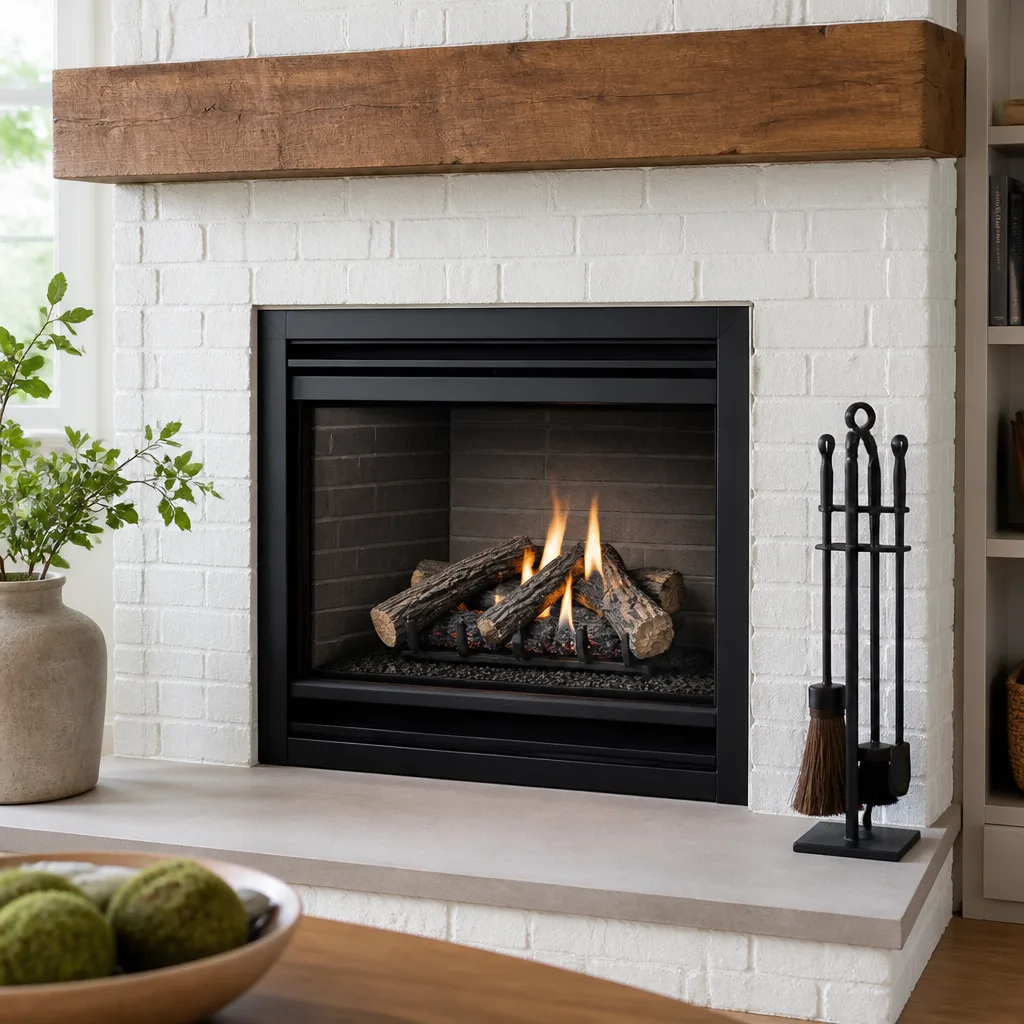 Gas fireplace service
Level 1 sweep and inspection to the NFPA 211 annual standard - flue, crown, cap, and flashing checked and photographed
Chimney sweep logs do not sweep chimneys. They loosen some creosote - which then falls where a brush and vacuum still have to collect it.
Chimney Cleaning Permits, Codes & Inspections in Ozone Park, NY: What You Need to Know
Most homeowners assume chimney work is permit-free. Sweeping is. Repointing a few joints is. But a stainless steel liner installation done without a NYC DOB filing is not just a code violation; it’s an open item that can stall or kill a real estate closing in Queens. Ozone Park has a deep stock of early- and mid-twentieth-century houses, and many of their chimneys were modified before anyone thought to file paperwork. This guide walks through which work needs a permit, how the NYC Building Code and NFPA 211 interact, what a licensed master plumber or general contractor handles when gas connections are involved, what an inspection report must document for a title company, and how to pull a property’s DOB permit history before you buy or renovate.
Quick Answer
Routine chimney sweeping and minor mortar repointing are permit-exempt in New York City. Structural repair, liner replacement, and fireplace or appliance conversions trigger a Department of Buildings (DOB) filing, typically an Alt-2 for structural alterations or an ALT-3 for certain limited-scope alterations. New York City Building Code Section 28 governs chimney construction, and NFPA 211 governs chimney maintenance and inspection; where they conflict, the stricter provision controls. Inspector reports must be detailed enough to satisfy a title company or an insurance underwriter, which means photographs, the standard NFPA 211 inspection level, and clear documentation of any defects found.
Styles & brands we work with
- Sweep & inspection
- Caps & crowns
- Flue relining
- Masonry repair
- Gas fireplace service
Table of Contents
- Which Chimney Work Is Permit-Exempt
- Which Chimney Work Requires a NYC DOB Filing
- How NYC Building Code Section 28 and NFPA 211 Interact
- When a NYC-Licensed Master Plumber or General Contractor Is Required
- What a NYC Chimney Inspection Report Must Document
- How to Pull a Property’s DOB Permit History
- Why This Matters at Closing
- Common Mistakes to Avoid
Which Chimney Work Is Permit-Exempt
Simple maintenance activities on an existing chimney generally don’t require a filing with the NYC Department of Buildings. Think of this category as cleaning, checking, and small touch-ups that don’t alter structure, change flue geometry, or connect a new appliance. Routine maintenance of this type is what most people in Ozone Park are actually looking for when they search for a chimney sweep, and it’s the work that keeps draft reliable between heating seasons.
The permit-exempt category typically includes:
- Routine sweeping of an existing flue using the standard sized brush for the flue type
- Removing creosote, soot, and debris from the firebox and smoke chamber
- Replacing or tightening a chimney cap that is already installed and functioning
- Minor mortar repointing on a chimney crown or crown edge where no structural change is involved
- Inspecting and photographing the chimney interior by camera
- Replacing a cap screen or spark arrestor of the same size and type
One catch on that list: a “minor repointing” is not a rebuild. If the mortar loss is deep enough that bricks are loose, or if the crown has cracked across its full width, you’ve moved from maintenance into repair, and repair often triggers a filing. In our experience, plenty of Ozone Park jobs start as a routine sweep and turn out to need more once the camera goes up the flue. That’s not an upsell; it’s the difference between what you can see from the roof and what you can see from inside the flue. A quick sweep with no findings is the cheapest, easiest visit on our schedule, and we’re happy when that’s the answer.
If your chimney needs more than a sweep, the next step is a proper diagnosis. A standalone inspection is the honest first move, and we offer it as its own product rather than bundling it into repair work. That way the inspection findings stand on their own and you decide what happens next.
Which Chimney Work Requires a NYC DOB Filing
Any chimney work that changes structure, replaces the liner with a new system, changes the fuel type or appliance connection, or alters the chimney’s footprint generally triggers a filing with the NYC Department of Buildings. The two filings most often used are the Alt-2 (alteration type 2, for structural and most non-expedited alterations) and the ALT-3 (alteration type 3, for limited-scope work that doesn’t affect structural elements or egress). Your architect or filing representative determines which one applies to a given job.
Work that commonly requires a DOB filing in Ozone Park:
- Installing a stainless steel liner, whether flexible or rigid, to replace a damaged masonry flue
- Relining a flue because the original is unlined, oversized, or serving a different appliance than it was built for
- Rebuilding a chimney above the roofline beyond minor repointing
- Replacing a chimney crown that has failed structurally
- Changing from wood to gas, oil, or pellet, or adding a new appliance connection
- Removing a chimney breast or structural chimney
- Installing a new chimney or extending an existing one
Liner work is the one that trips people up most. A flexible liner dropped into a clay tile flue looks like a straightforward job from the ground, and it usually is, mechanically. But a stainless liner is a new flue system, and in New York City the installation is treated as an alteration to the chimney. The filing has a paper trail, and that paper trail is what a buyer’s attorney will request at closing. In our experience with chimney repair around Ozone Park, the installations that cause trouble later are the ones that skipped the filing, not the ones that got it.
We install and service professional-grade liner systems, including DuraFlex and Olympia Chimney. Those are the kinds of products that come with the installation documentation your filing representative will want to see, from manufacturer specs to the certificate that goes in the job file.
How NYC Building Code Section 28 and NFPA 211 Interact
Two rulebooks govern chimney work in New York City: the NYC Building Code, with Section 28 covering chimney construction and installation requirements, and NFPA 211, the national standard for chimneys, fireplaces, vents, and solid-fuel-burning appliances. They don’t contradict each other often, but when they do, the stricter provision wins. Neither one cancels the other.
Here’s how they tend to split responsibilities:
- NYC Building Code Section 28 addresses construction requirements: flue sizing, clearances to combustibles, materials, and how the chimney integrates with the building envelope.
- NFPA 211 addresses maintenance and inspection: how the chimney is swept, how inspections are performed, what constitutes a defect, and the levels of inspection used by the trade.
- Where they overlap on clearances, materials, or flue sizing, the stricter of the two applies to the installation.
This distinction matters for homeowners because it shapes what a contractor can and can’t do without a filing. Routine maintenance under NFPA 211 doesn’t require a permit. Construction changes under Section 28 typically do. An installer who tells you the job is “just maintenance” when they’re replacing the liner is either mistaken about the code or hoping you won’t ask.
The professional-grade materials we work with (HeatShield for flue resurfacing, Gelco and Copperfield for liner systems, Famco for caps and crowns) are specified because those products have the manufacturer documentation that lines up with both code frameworks. When a filing representative or an inspector asks how a given installation meets the standard, the manufacturer’s written spec answers the question directly.
One practical note: the code is updated periodically, and local amendments matter. When you’re planning work, ask your filing representative to confirm the current edition in force and whether any local amendments apply to your building type. A 100-year-old Ozone Park two-family and a newer build get read differently under the same code sections.
When a NYC-Licensed Master Plumber or General Contractor Is Required
Any work that involves a gas appliance connection or gas piping in New York City requires a licensed master plumber. That’s true whether the work is a fireplace insert installation, a gas log set, or a new appliance connection into an existing chimney. Chimney technicians, even those who install liner systems every week, don’t hold plumbing licenses, and the DOB filing for gas work needs the plumber’s name and license number on it.
For non-gas structural work, a NYC-licensed general contractor is generally the right party to pull the permit and carry the filing. The scope determines which license is required:
- Gas appliance work: licensed master plumber files and performs the gas connection. The chimney work itself may be done by a chimney contractor under a separate filing or as part of the plumber’s scope.
- Structural chimney work (rebuild, crown, liner replacement): a licensed general contractor files and carries the permit. Chimney contractors often work as the trade subcontractor on the job.
- Fireplace conversion or added appliance: licensed master plumber for the gas side; general contractor for any structural or flue changes.
- Fireplace insert installation: plumber for the gas connection if applicable; the flue liner and fireplace repair scope may be handled by the chimney specialist under the same permit or separately.
In our experience, homeowners get frustrated by this because it feels like extra hands on the job. The reality is that the licensing requirement exists to make sure the person signing off on a gas connection holds the credential that goes with it. A chimney specialist who tells you they can handle a gas appliance connection without a master plumber is telling you something about their filing practices. We work on the full system (flue, liner, cap, crown, firebox, masonry) and we coordinate with the licensed trades when the scope requires them. That’s how a job stays clean from the permit side through the final inspection.
What a NYC Chimney Inspection Report Must Document
A chimney inspection report written for a title company or an insurance underwriter needs to be more detailed than the verbal summary a technician might give on a sweep visit. Underwriters and title attorneys are looking for specific documentation, and a one-page report with two photographs generally doesn’t satisfy them. The report has to stand on its own, months or years after the inspection was performed, and it has to be defensible if someone later asks what was documented.
At minimum, a report that satisfies title and insurance reviewers should include:
- The inspection level used, per NFPA 211: Level 1 (readily accessible), Level 2 (camera-assisted, typical for real estate transactions), or Level 3 (invasive, when a hazard is suspected). Most transaction-related inspections are Level 2.
- Photographic evidence of the flue interior, firebox, damper, smoke chamber, crown, cap, and exterior masonry, taken during the inspection.
- Documentation of any defects found, including flue cracks, missing tiles, deteriorated mortar joints, and gaps at the smoke chamber transition.
- A statement of the flue’s suitability for the appliance currently connected to it, including whether the flue is sized correctly and in good repair.
- Date, address, and inspection scope, so the document ties to the specific property and can be filed with a title report or insurance application.
For Ozone Park homes, the report often needs to state whether the chimney historically served a solid-fuel or oil appliance, because oil residue or the presence of an old oil flue liner changes the risk profile. Underwriters care about this. So do title attorneys, because a former oil chimney that was not converted properly is an open item.
We work with chimney cap & crown work as part of the inspection scope where relevant, because a cap or crown condition that’s flagged in the report has to be photographed from the same visit. A report that says “cap in poor condition” without a photo is not going to satisfy an underwriter, and it isn’t going to help the homeowner understand what they’re looking at either. Inspections are diagnostic work. A chimney inspection tells you what’s actually happening before anyone picks up a tool.
How to Pull a Property’s DOB Permit History
If you’re buying a home in Ozone Park or planning a renovation, pulling the property’s DOB permit history is one of the most useful 20 minutes you can spend. It tells you what work was filed, when, and by whom. Prior chimney work that was not filed doesn’t appear, which is exactly what you’re looking for. Missing paperwork is easier to address before closing than after.
The steps to check:
- Get the property’s Block and Lot numbers. They’re on the property tax bill, the deed, or the NYC Department of Finance property lookup.
- Search the DOB Building Information System (BIS). Enter the address or the Block and Lot and review the filing history. Look for Alt-1, Alt-2, and ALT-3 filings that mention chimney, flue, or liner work.
- Pull the DOB NOW records where applicable. Recent filings are often under DOB NOW rather than legacy BIS, so check both.
- Review the Certificate of Occupancy (C of O). It should show the appliance types the building was approved for. If it shows a solid-fuel or oil appliance and the current setup is gas, ask for the filing that documented the conversion.
- Request a copy of the filings from the seller or their attorney. The filings include the plans and the final sign-offs, which tell you who did the work and whether it was inspected.
- Note gaps between the C of O and the current condition. A chimney that appears in neither the C of O nor a subsequent filing is an open question that has to be answered before a lender or insurer will sign off.
If you find work that wasn’t filed, that’s not a reason to walk away from a good house. It’s a reason to get a scope of work and a cost before the closing table. A properly documented inspection (camera, photos, photos included in the report) gives your attorney something to negotiate with. Where a liner or structural repair was installed without a filing, a follow-up inspection that documents the current condition is often enough to satisfy the parties, supplemented by a new filing if the local inspector requires it.
On the 1-2-3 family houses that make up most of Ozone Park’s residential stock, the chimney was often original to the building. That means its history runs through every subsequent renovation, and the purchase file for a 1930s semi-attached three-family often has a long trail of DOB filings going back decades. Knowing how to read that trail is part of buying well here.
Why This Matters at Closing
Real estate transactions in Queens are where chimney filing gaps become visible, and they become visible at the worst possible moment. Once contracts are signed and a closing date is set, every unaddressed item on the buyer’s inspection list becomes leverage. Missing paperwork for a liner installed in 2015 can turn into a closing delay, a negotiated credit, or in the worst case a re-inspection at the buyer’s expense, all of it avoidable.
The parties who care about the documentation trail:
- Title companies want to know the chimney structure is what the C of O and filings say it is. Unfiled alterations can create a title exception.
- Insurance underwriters want the inspection report sufficient to confirm flue condition and appliance compatibility. A report without photos or a stated inspection level is often rejected.
- Lenders will not close on a property with an open DOB violation that isn’t scheduled for resolution.
- Buyer’s attorneys will ask for filings that match the current condition. If there’s no filing for a new liner, they ask why.
If you’ve got a home in Ozone Park in the pipeline toward a listing, the time to sort out the paperwork is before the listing goes live. A pre-listing inspection that documents the flue condition and the appliance connection, plus a permit history pull, gives you a clean file to hand over if questions come up. We work directly with the licensed trades when a filing needs to be re-established for unfiled work, and we can coordinate the inspection side of it. The point isn’t to create work. It’s to make sure that when the house goes into contract, the chimney doesn’t become the reason a closing stalls.
Common Mistakes to Avoid
- Assuming a new liner means a permit was pulled. A flexible liner installation is a new flue system and generally requires a DOB filing. Ask for the filing number before the work starts, and get it in writing.
- Treating the sweep’s inspection report as the transaction document. A sweep visit documents the cleaning. A transaction-level inspection documents the flue condition with photos, the NFPA inspection level, and suitability for the appliance. They’re different products and underwriters want the second one.
- Skipping the gas plumber because the chimney contractor offers to “handle it.” Gas appliance connections require a licensed master plumber in New York City. If your contractor can’t produce that license, the filing has a hole in it.
- Ignoring chimney history at purchase. Pull the DOB history and compare it to the C of O before you write an offer or remove a contingency. Chimney work that isn’t filed is cheap to inspect and expensive to discover at closing.
- Calling a routine repointing a structural rebuild, or vice versa. Knowing which category your work falls into tells you whether a filing is required. A camera inspection resolves the question before anyone quotes a repair.
- Hiring a sweep who doesn’t document the visit. Camera inspection and a written report with photos are the standards in Ozone Park transactions. A verbal summary is not enough when a title attorney asks for records.
- Assuming the old oil flue is fine because it “looks clean.” A flue that historically served oil may have residue, sizing, or liner issues that only show up under camera inspection. Get it inspected, not just swept.
See the difference
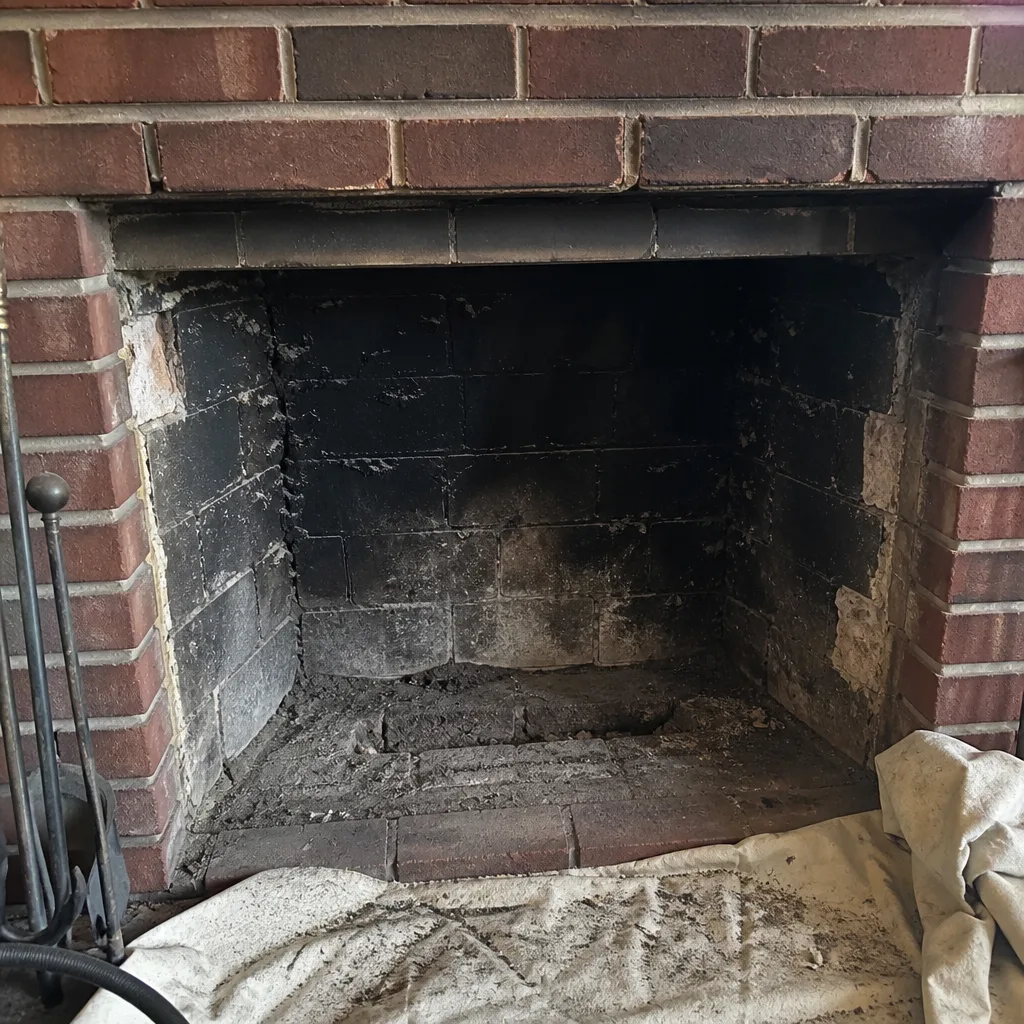 Before
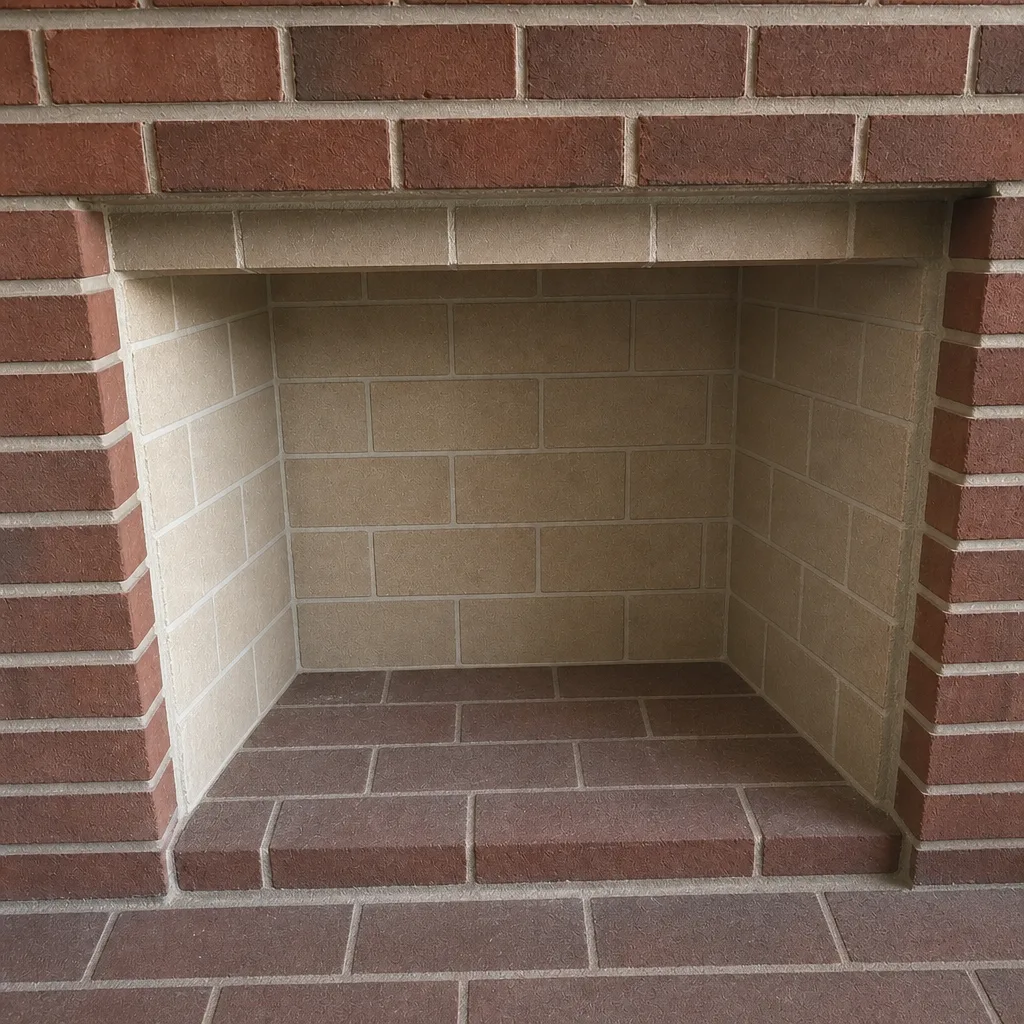 After
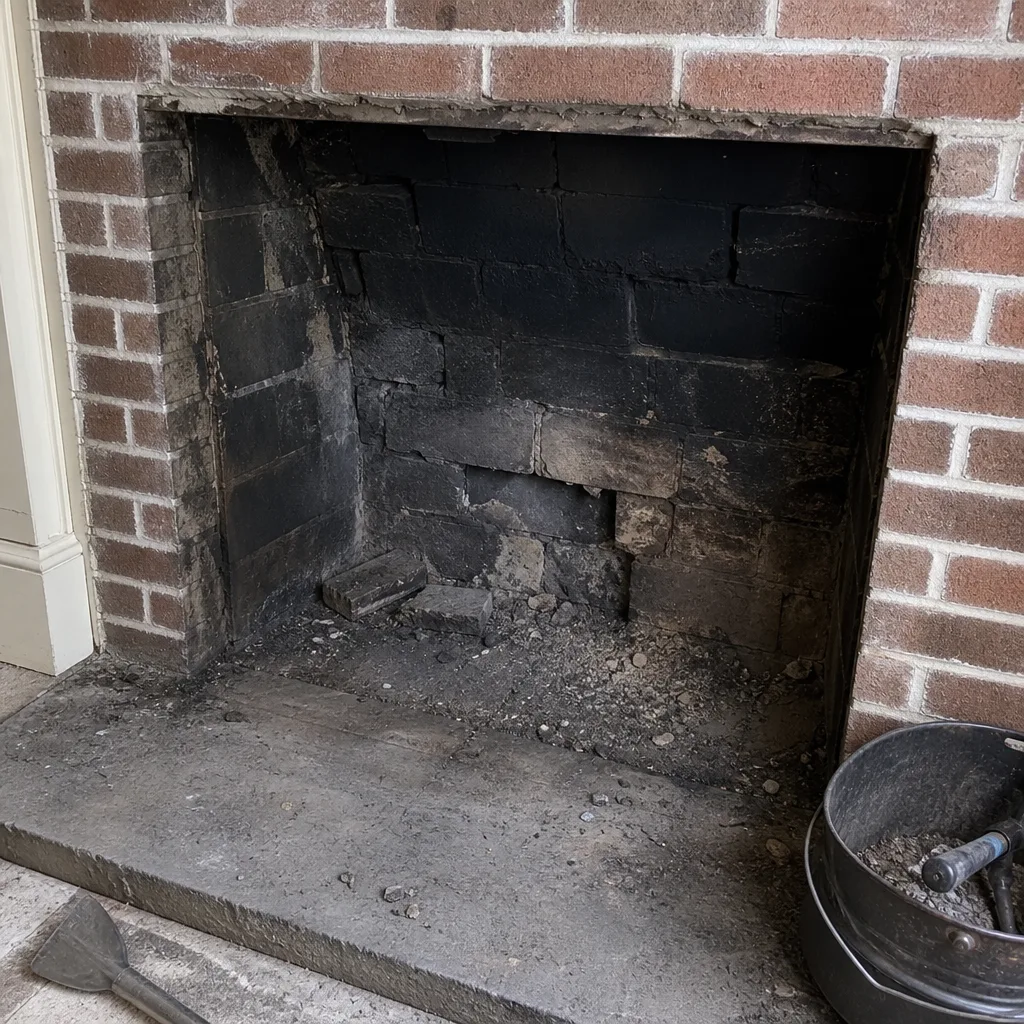 Before
 After
 Before
 After
When to Call a Professional
Call a professional chimney specialist when you’re buying or selling a home in Ozone Park and the chimney documentation is unclear; when you’re planning a liner replacement, fireplace insert, or appliance conversion; when you’re installing a gas log set or any gas appliance that connects into the chimney; when a title company or insurance underwriter asks for a chimney inspection report; when you’re noticing smoke back-drafting, draft problems, or staining around the firebox; and before any structural repair or rebuild. Any of those scenarios deserves a documented inspection before a quote, and we offer standalone inspections for exactly that reason. Chimney Sweep Ozone Park offers free estimates in Ozone Park. Call (833) 508-9108 to schedule. We answer 24/7, and fast dispatch runs from 7am to 7pm, Sunday through Friday. Our technicians have up to 15 years of experience with the local systems and materials that come up on these jobs.
Frequently Asked Questions
No. Routine chimney sweeping is permit-exempt in New York City because it’s a maintenance activity that doesn’t alter the chimney structure or change the appliance connection. The line between cleaning and alteration is the work itself, not the trip charge. If the sweep finds a cracked tile or a failed mortar joint and recommends repair, evaluate whether the repair crosses into structural or liner work, which usually does require a DOB filing. Call (833) 508-9108 for a free estimate if you want the scope confirmed before any work starts.
Yes, in most cases. A stainless steel liner, whether flexible or rigid, is treated as a new flue system and generally requires a DOB filing, typically an Alt-2 or ALT-3 depending on the scope. The permit is what makes the installation documented for future buyers, insurers, and lenders. Our chimney repair work around Ozone Park always includes the installation documentation the filing representative will need. Call (833) 508-9108 and we can walk through what a specific job requires.
The levels come from NFPA 211. A Level 1 inspection covers readily accessible portions of the chimney during routine service. A Level 2 adds camera inspection of the flue interior and is the standard for real estate transactions, appliance changes, and after a chimney fire or seismic event. A Level 3 is invasive and is used when a hidden hazard is suspected and needs to be opened up. Most Ozone Park transactions call for a Level 2 with photographic documentation. Call (833) 508-9108 for a free estimate on an inspection.
You can sell it, but the missing filing will almost certainly come up during the transaction, either through the buyer’s inspection, the title search, or the underwriter’s review. The fix is usually a combination of a current inspection that documents condition with photos and, where the local inspector requires it, a new filing to establish the work on the record. It’s much easier to sort out before listing than after a contract is signed. Call (833) 508-9108 and we can scope the inspection side.
Yes. Any gas appliance connection in New York City requires a licensed master plumber, and the DOB filing for the work needs the plumber’s credentials. Chimney technicians typically handle the flue and fireplace side of the installation; the plumber handles the gas connection and the gas portion of the filing. That division of labor is standard in Ozone Park and keeps the permitting clean. Call (833) 508-9108 for a free estimate on the chimney scope.
Pull the DOB permit history for the property (through BIS and DOB NOW) and compare it to the current condition. If a liner is present and there’s no filing for liner work, you’ve found an unfiled installation. A camera inspection documents the liner’s condition and type, which helps your attorney or filing representative sort out whether a new filing is needed. Call (833) 508-9108 to schedule an inspection. We answer 24/7, and dispatch runs 7am to 7pm, Sunday through Friday.
The Bottom Line
Chimney cleaning is permit-exempt in Ozone Park. Chimney work that changes the structure, adds a liner, or connects a new appliance typically isn’t. NYC Building Code Section 28 and NFPA 211 run in parallel, the stricter rule wins where they overlap, and gas connections require a licensed master plumber on the filing. The DOB permit history is public and worth pulling before a purchase or renovation, because missing paperwork is much cheaper to address before closing than after. If you’re planning work or staring down a real estate deadline, get a documented inspection first. We work on the full system, from flue to cap, and we can scope the inspection side of any transaction.
Call (833) 508-9108 for a free estimate. We answer 24/7, and fast dispatch runs from 7am to 7pm, Sunday through Friday. If you need to review the broader service picture, start at Chimney Sweep Ozone Park.
Written by the team at Chimney Sweep Ozone Park.